Path of Exile 1: Covens of Umbra launches November 13, 2026. Official artwork: Grinding Gear Games.
Path of Exile 1: Covens of Umbra begins on November 13, 2026, reshaping endgame preparation. With the official 3.30.0 patch notes now published, ZAUS.GG has selected five league starters, each with two possible endgame evolutions. These are ten routes to compare, not ten fully equipped builds to buy on day one.
A strong starter should get through the campaign and early maps on accessible gear. An endgame setup, however, may depend on a unique item, a transfigured gem, a particular weapon, a rebuilt passive tree, or an investment that only makes sense several days later. The table and sections below distinguish those stages and suggest farms suited to each playstyle, without promising profits in advance.
The author’s personal choice is Juggernaut with Boneshatter of Complex Trauma, aiming for Delve. The plan is to develop that character first and only then decide whether switching to Molten Strike of the Zenith is worthwhile. The other starters are pre-league assessments, not builds ZAUS.GG has tested in 3.30.
In this guide

What changed in 3.30 that affects these builds?
The biggest shake-up in Covens of Umbra is in the endgame: Scarabs are removed, Threads of Creation take their place, the Atlas passive tree now starts from the center, and new loot rules arrive. Threads apply mechanics to maps through the Map Device; spending more of the same type raises the chance of transformative modifiers, within the limits specified by the patch notes. This changes how the cost, risk, and rewards of old strategies relate to each other.
The notes also overhaul Item Rarity and the generation of Magic and Rare items, introducing equipment tiers. Consequently, 3.29 profit figures cannot automatically predict 3.30 results. ZAUS.GG’s ExileCon announcement coverage and breakdown of loot and farming changes provide the background.
Delve has not been removed. The Atlas passive clusters associated with Delve and Heist have been removed, but the mine remains a separate activity. Older advice about access, Sulphite costs, and rewards needs to be revisited. The update also reduces sources of Fractured items, including some associated with Delve, potentially changing the economics of Fossils and bases. Net returns cannot safely be forecast before playing and selling.
For builds, it is important to distinguish confirmed mechanical changes from relative power that has yet to be demonstrated. The ascendancy notes include changes to Pathfinder’s Master Surgeon in regular play and other class adjustments; several Slayer and Hierophant changes appear specifically in the Ruthless section and should not be applied to the standard league. Transfigured gems still come through Labyrinth-related sources, but getting the exact gem early may require trading or additional attempts.
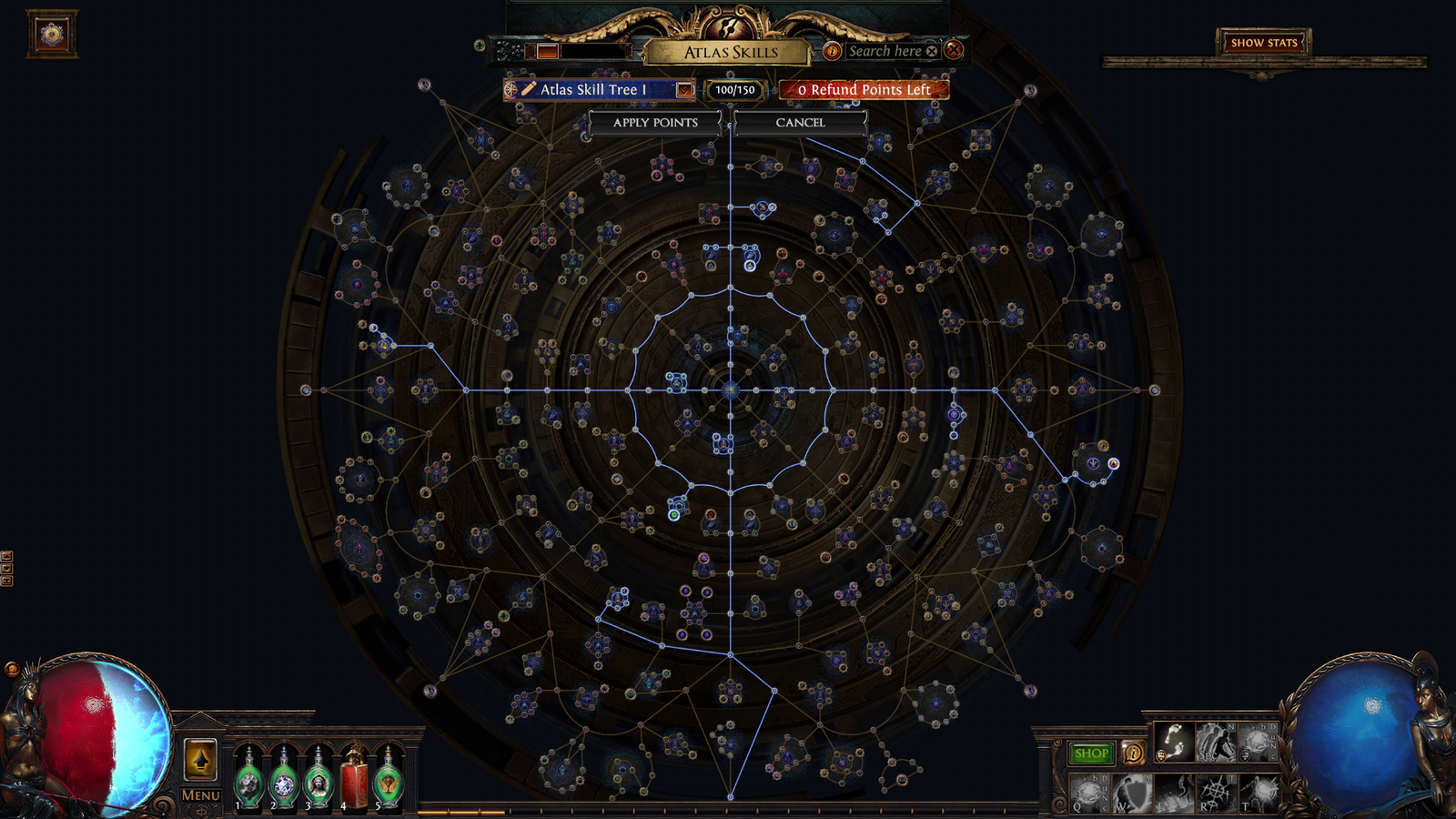
My pick for league 3.30: Juggernaut for Delve
For 3.30, I’m choosing Juggernaut. I’ll start with Boneshatter of Complex Trauma and focus my progression on Delve. The initial idea is to accumulate resources and, when the time is right, assess a switch to Molten Strike of the Zenith. Shield Crush will be the second route I consider. This is a plan, not a result I’ve already achieved.
Juggernaut is appealing because it combines Armour, Life, resistance to interruption, and recovery—valuable qualities when facing waves of enemies in mining tunnels and nodes. But there is no automatic immunity to Trauma self-damage: Boneshatter of Complex Trauma increases the damage you take as Trauma stacks build and removes the stacks on reaching 10. You need to survive the whole cycle, not just display impressive damage in PoB. The gem’s technical description explains that trade-off.
During the campaign, I’ll prioritize an up-to-date physical weapon, Life, elemental resistances, Armour, and sustainable recovery. The transfigured gem shouldn’t be assumed available in the first hour; if necessary, leveling can use a suitable physical skill until the gem is obtained through the Labyrinth or trading. Before running Delve consistently, the practical goals are to stabilize defenses, unlock maps, and secure access to the mine and Sulphite, without relying on an outdated 3.29 Atlas tree.
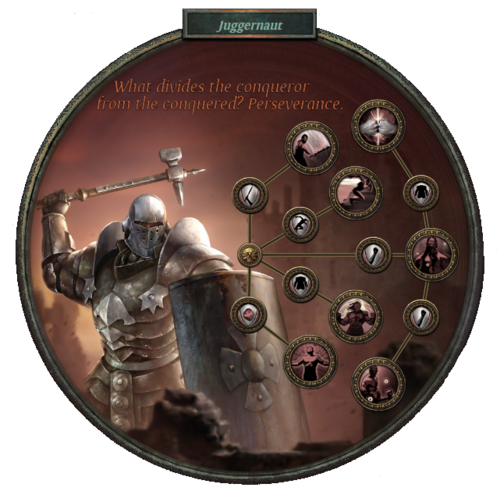
Route A — Molten Strike of the Zenith Juggernaut
This is my preferred evolution, but not an automatic swap as soon as the gem drops. Molten Strike of the Zenith requires a compatible two-handed melee weapon and launches magma projectiles after striking; every fifth attack produces extra projectiles with boosted damage. The skill rewards consistent attacks and investment in the weapon, damage, attack speed, defenses, and ways to improve projectile hits on the target.
Switching may require rebuilding the passive tree and practically all of Boneshatter’s gear. Having a passable physical leveling weapon does not mean having a competitive Zenith weapon. The transition only makes sense when the new setup performs better in both actual damage and survivability. In Delve, the idea is to use sustained damage against high-Life enemies without giving up defense or the ability to stay close to encounters. No particular depth is being promised. The mechanic can be checked on the gem’s wiki page.
Primary farm: Delve. When to start: after establishing sustainable Sulphite access, resistances, and a safe pace through nodes. Biggest risk: spending heavily on an early conversion that slows exploration. Rather than buying upgrades based solely on a DPS screenshot, measure actual time per node and deaths.
Route B — Shield Crush Juggernaut
Shield Crush draws its damage from the shield’s defensive properties, changing how gear is built. Instead of Zenith’s two-handed weapon, investment centers on a shield with suitable Armour/Evasion and the passives and supports that turn those values into damage. Combining a shield, Armour, and Block is attractive for mining; however, effective area coverage and boss damage depend on the setup.
Ignatius’s Shield Crush Juggernaut guide focused on Deep Delve was labeled 3.29 in the source article. It is useful as a technical reference, not as a PoB automatically validated for 3.30. Before choosing the route, review the tree, items, damage configurations, and availability of components in the new market.

Primary farm: horizontal Delve and gradual depth progression. When to start: once the right shield, defenses, and damage justify rebuilding. Biggest risk: investing in a promising shield without capping resistances or meeting Life and single-target damage needs.
When should I stick with Boneshatter, Zenith, or Shield Crush?
If Boneshatter comfortably clears maps and Delve nodes, staying with it may be the most economical upgrade. Zenith makes more sense when capital and gear allow for a new archetype with a clear gain in sustained damage. Shield Crush is the alternative if a defensive shield setup better suits what Delve demands and the 3.30 version is properly documented. I won’t set a Divine Orb price threshold for that decision before seeing the market.
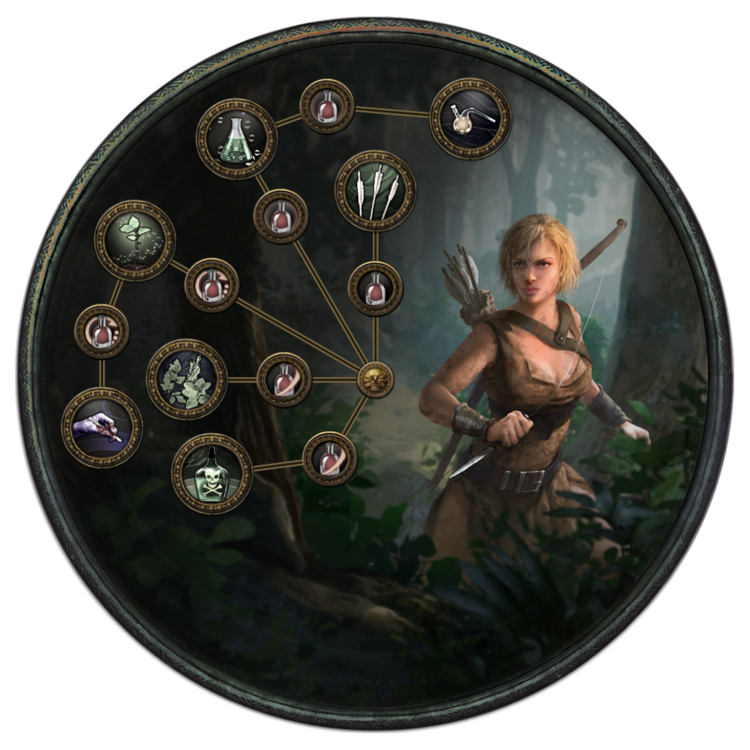
2. Poisonous Concoction Pathfinder: mobility and poison
Poisonous Concoction has an early advantage: it doesn’t rely on finding a high-physical-DPS weapon. The skill uses a Life Flask as an important part of its damage, so improving flask recovery also improves the attack. Life, Evasion, resistances, and maintaining flask charges form the foundation for progressing from Ranger into Pathfinder.
Animeprincess’s 3.30 guide provides a complete reference for campaign, maps, and transitions. Be careful not to confuse the standard skill with its transfigured form: Poisonous Concoction of Bouncing turns extra projectile modifiers into additional bounces and has different hit behavior. Buying advanced-variant items before changing the gem may waste resources.
Route A — Poisonous Concoction of Bouncing with explosions
This evolution emphasizes bounces, poison proliferation, and, in a more advanced setup, chaos explosions. The updated guide discusses a Beacon of Madness variant and specific gear interactions; that item isn’t a requirement for clearing the first maps. Real costs rise when trying to achieve screen coverage, defenses, and speed at the same time.
Priority farms: Expedition and Strongboxes, because clustered enemies suit bounces and poison spreading. When to start: on maps the character can clear without dying, raising difficulty as Life, spell defenses, and recovery improve. Risks: isolated monsters, Expedition modifiers incompatible with poison, and the cost of adding Threads or layers of challenge.
Route B — Viper Strike of the Mamba
This is a switch toward powerful poison applications on priority targets, not a simple gem swap. It requires changes to weapons, poison scaling, passives, and reach. It may appeal to players who prefer pursuing tough enemies rather than rapidly clearing multiple screens, but the investment and comfort of melee combat must be evaluated before committing.
Priority farms: tougher Essences and map bosses prepared for concentrated damage. When to start: after confirming single-target damage and defenses when close to bosses. Risks: losing screen coverage and becoming vulnerable while staying near a target. This route appears as a possible evolution in animeprincess’s guide, not as a result ZAUS.GG has tested this league.
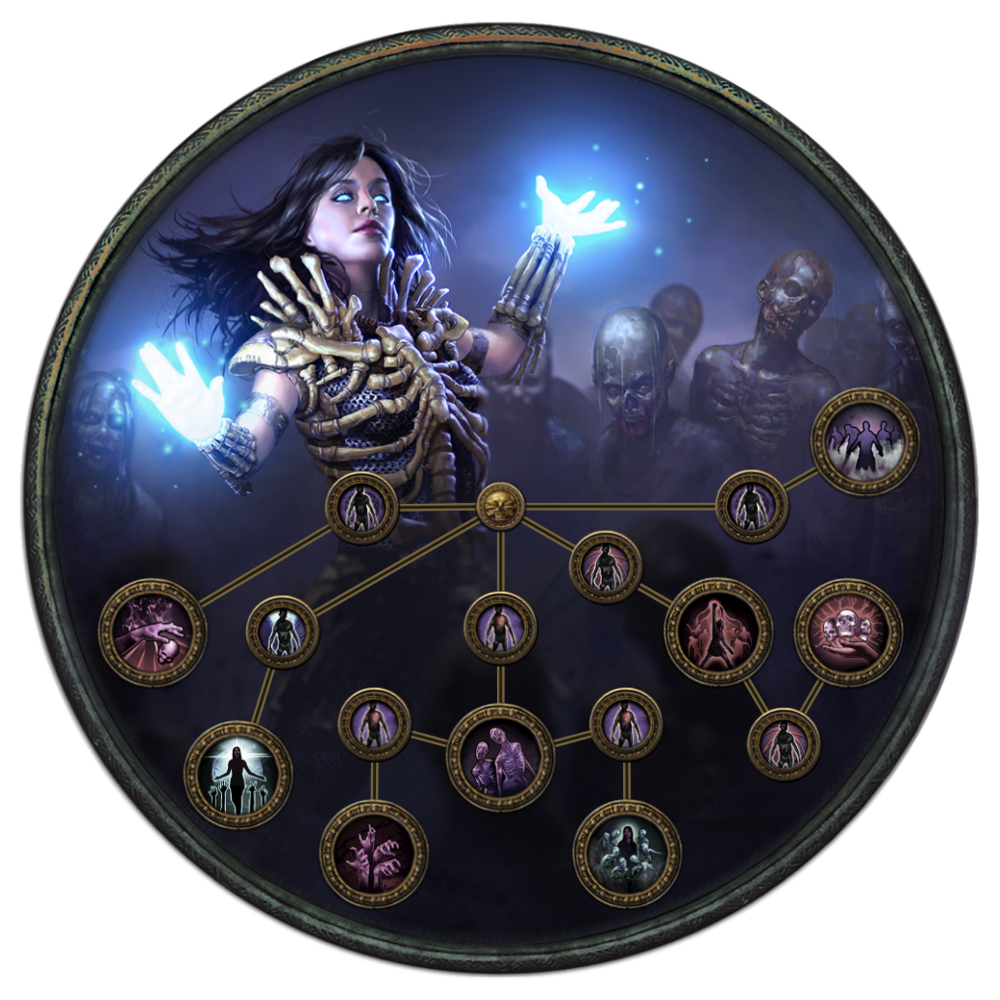
3. Absolution Necromancer: progressing with sentinels
The third option is for players who favor summons and dealing damage while repositioning. Absolution attacks and creates temporary sentinels that maintain pressure in encounters; the build needs minion damage, duration, survivability, and reliable summoning against targets with fewer accompanying monsters.
Definitiv’s Phantasm Necromancer guide, updated on November 11, uses Absolution during the campaign and describes a gradual transition to Soulwrest. Although parts of the page still bear a 3.29 label, its author notes 3.30 changes. Even so, check each variant and PoB before buying gear.
Route A — Poison Soulwrest Phantasms
The unique staff Soulwrest creates Phantasms through corpse interactions, providing another way to keep the battlefield occupied. The transition introduces corpse management, minion supports, and poison scaling; simply equipping the staff is not enough. The referenced guide provides stages intended to avoid making the character depend on one expensive purchase on day one.
Priority farms: Blight and Abyss. Dense waves and prolonged encounters may favor multiple attacking minions, provided their AI and movement speed keep pace with enemies. When to start: once the setup can consistently summon and maintain Phantasms. Risks: positioning, dying minions, mobile bosses, and Soulwrest’s initial price.
Route B — specialized endgame Absolution
Instead of replacing the build’s core, Absolution can be developed into the main endgame setup with higher gem levels, better supports, stronger defenses, and more consistent summoning. This is specialization, not merely a campaign build with inflated numbers: you must decide how to generate sentinels, increase single-target damage, and survive fights without easy packs of monsters.
Priority farms: map bosses empowered by Fates and Atlas progression. Minions may keep dealing some damage while you dodge, but sentinel generation and performance against a lone boss need to be demonstrated. When to start: once summoning and single-target damage sources are reliable. Risk: assuming performance on crowded maps translates into a boss without adds.
Documentation limitation: no sufficiently verified independent 3.30 endgame Absolution PoB was found to recommend as definitive.
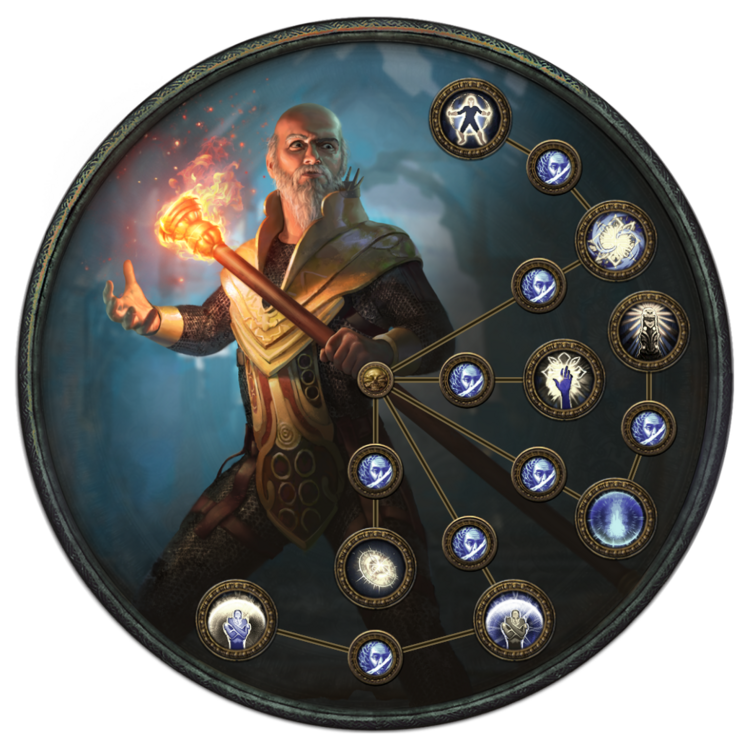
4. Kinetic Fusillade Ballista Hierophant: attacking through totems
Hierophant offers a different dynamic: Ballista Totem Support lets totems fire Kinetic Fusillade while the character moves. This is particularly appealing against bosses with telegraphed attacks, as continuing to deal damage doesn’t require standing still the whole time. The trade-offs are totem positioning and durability, wand quality, and firing cadence.
Oyu’s Japanese Kinetic Fusillade Totem guide covers campaign progression and includes a public PoB, but was written before the 3.30 patch notes. It recommends shifting into the totem setup around early maps rather than forcing that archetype from Act 1. The guide and tree are useful starting points, not proof that every interaction has been recalculated for 3.30.
Route A — critical Kinetic Fusillade Ballista
The natural progression invests in Critical Strike, projectiles, wand quality, number of totems, and defense. The initial version may prioritize consistency and elemental effects before reassigning passives and gear for critical strikes. To judge a wand, check modifiers that actually scale attacks: added spell damage does not transfer automatically.
Priority farms: bosses empowered by Fates and Essences against durable targets. When to start: when totems survive and focused damage is high enough to finish encounters without disproportionate risk. Risks: poor coverage of spread-out groups, the need to replace totems, and surviving severe map modifiers.
Route B — Ice Nova of Frostbolts Archmage
The second evolution reuses Hierophant’s ascendancy but almost completely changes archetype: a wand attack performed through totems gives way to a mana-scaling spell combining Frostbolt and Ice Nova of Frostbolts. Trees, attributes, gems, gear, and defensive layers all need rebuilding, making this an investment and playstyle change—not an inexpensive Kinetic Fusillade upgrade.
Priority farms: Harvest and dense maps prepared with Threads, where area damage can clear enemies spawning together. When to start: only after assembling the Mana, recovery, damage, and defenses needed for the new setup. Risks: an expensive rebuild and Mana management during long fights. The feasibility of this particular transition as Hierophant in 3.30 remains conditional on validating a post-patch setup; it should not be confused with Ice Nova guides for other ascendancies.
5. Dual Strike of Ambidexterity Slayer: direct melee attacks
For players who prefer fighting up close, Dual Strike of Ambidexterity has a particular requirement: two melee weapons of different weapon types must be equipped. The main-hand weapon determines the strength of the hit, while the off-hand weapon’s attack time affects the pace. Choosing both weapons solely by the DPS on the item tooltip is a mistake. Slayer offers leech- and damage-related ascendancy options to sustain this style.
Leveling may begin with another attack skill while searching for the transfigured gem and the right pair of weapons. Players must accept the exposure of melee combat and plan protection against physical damage, spells, ground effects, and interruption. The gem’s technical summary documents its equipment restrictions.
Route A — endgame Dual Strike Impale
This option keeps the primary attack and develops physical damage, complementary weapons, Impale, and defense during leech. Progression depends more on weapon quality than an initial poison or minion setup would. Pushing for high damage and critical strikes without sufficient resistances and sustain can turn ordinary maps into a string of deaths.
Priority farms: Essences and map bosses. When to start: once single-target damage is consistent without compromising defense. Risks: staying close to Fate-empowered encounters and depending on two weapons that are hard to replace at the same time. This remains an editorial recommendation; a definitive 3.30-specific Impale PoB still needs validation.
Route B — Shockwave Cyclone Slayer
The alternative replaces targeted strikes with continuous movement through Cyclone and triggers from Shockwave Support. Watch the equipment: Shockwave Support requires compatible maces, sceptres, or staves, so simply keeping Dual Strike’s two weapons will not work. This involves rebuilding weapons, passives, supports, and possibly defenses and auras.
Priority farms: Strongboxes and Abyss, which reward moving between packs and maintaining area damage. When to start: after securing a compatible weapon, accuracy, and sufficient sustain for higher density. Risks: ground damage, encounters that require backing away, and lower boss damage than a dedicated single-target setup.
A 3.30 Shockwave Cyclone Slayer setup posted by a creator includes a linked PoB and campaign material. It can inform Route B, but ZAUS.GG has not played that character and does not endorse PoB numbers as real performance this league.
Comparison: which starter matches your goal?
The table compares what each starter needs to function early; it does not assign power scores. Difficulty is qualitative and depends particularly on gear, execution, and early item prices. Neither endgame route is a promise of a cheap transition.
| Starter | Early setup / dependency | Strength and limitation | Evolution A | Evolution B | Target content |
|---|---|---|---|---|---|
| Boneshatter Complex Trauma Juggernaut | Moderate; physical weapon and transfigured gem | Defenses and melee progression; Trauma causes self-damage | Molten Strike of the Zenith | Shield Crush | Delve |
| Poisonous Concoction Pathfinder | Accessible; good Life Flask before an expensive weapon | Mobility and poison; isolated targets need attention | PConc Bouncing + explosions | Viper Strike of the Mamba | Expedition, Strongboxes, Essences |
| Absolution Necromancer | Accessible to moderate; minions and gems | Damage while moving; summoning must be sustained | Poison Soulwrest Phantasms | Endgame Absolution | Blight, Abyss, bosses/Atlas |
| Kinetic Fusillade Ballista Hierophant | Moderate; wand, links, and totems | Mobile bossing; uneven map coverage | Critical Ballista | Ice Nova Archmage | Fates, Essences, Harvest |
| Dual Strike Ambidexterity Slayer | Moderate; two different weapon types | Single-target damage; melee exposure | Dual Strike Impale | Shockwave Cyclone | Essences, Strongboxes, Abyss |
Players who want to avoid trading for many pieces of equipment at the start may enjoy Poisonous Concoction. Those who want damage to continue while dodging can look at Necromancer or Hierophant. Players who enjoy close-quarters attacks can choose Slayer. Juggernaut isn’t listed first because it is objectively best; it is highlighted because it is the author’s actual choice for the league-long follow-up.
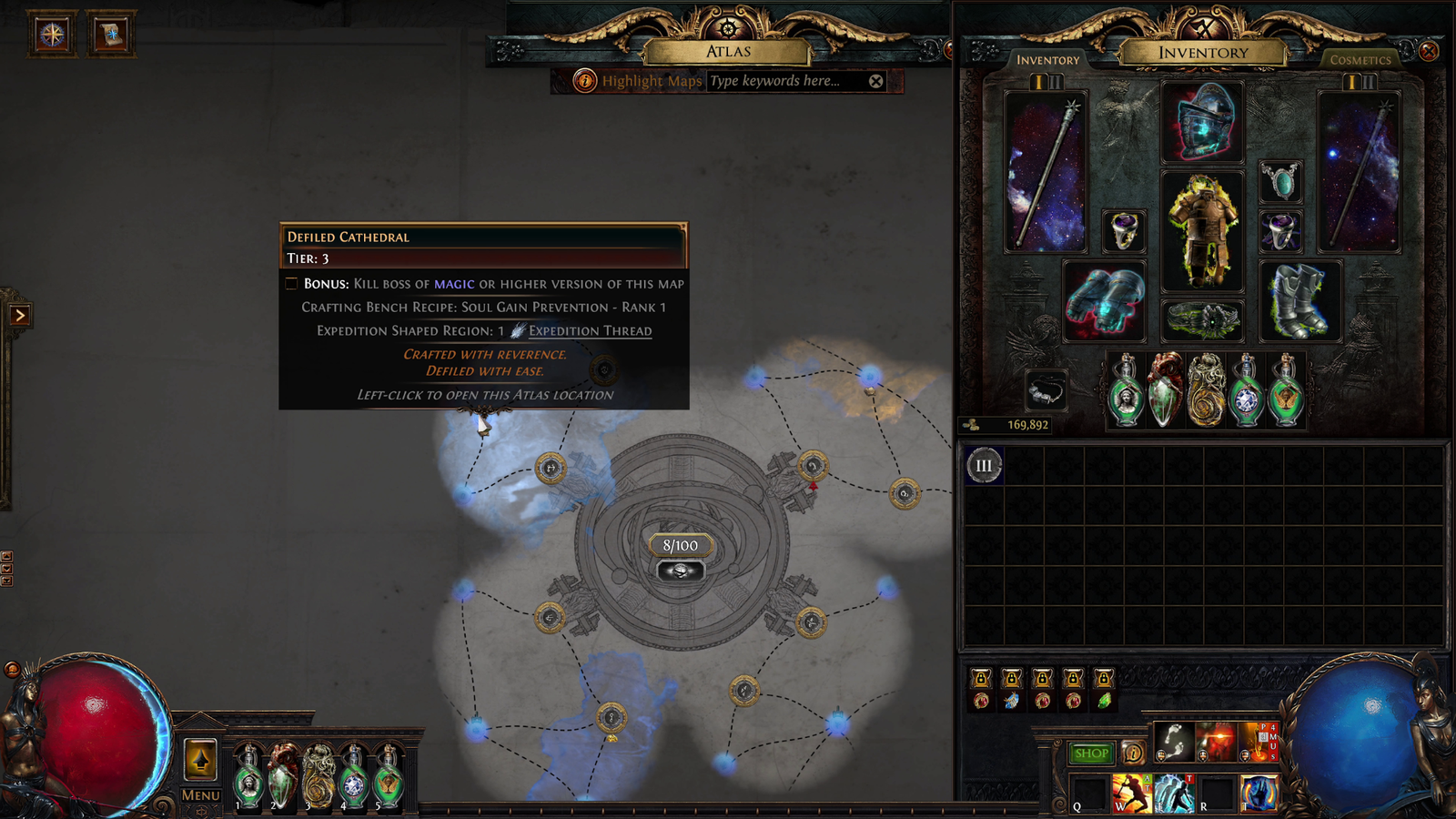
How should farms adapt to the new 3.30 economy?
Recommended content should fit the character’s coverage, single-target damage, defenses, movement requirements, and entry costs. Expedition and Strongboxes generally suit characters that eliminate packs; Essences and Fates require preparation for tougher individual targets; Blight gives minions time to attack; Harvest gathers enemies into concentrated encounters. Delve has its own underground access and movement routine, not simply a set of Threads.
ZAUS.GG’s older guide to maps and Scarabs and previous Atlas guide document 3.29 and remain historical references until updated for Threads. Our guide to measuring farming costs and profits remains useful as a methodology, provided consumables and rewards are replaced by their 3.30 equivalents.
Before labeling anything profitable, record spending per batch, run time, deaths, the value of items actually sold, and how much remains unsold in storage. Income should not be calculated solely from the estimated value of rare drops. With Threads, higher difficulty may increase rewards while also slowing a build down or making each map more expensive.
What will ZAUS.GG track in actual gameplay?
In addition to this pre-league plan, we’ll publish a dedicated article following my real Juggernaut progression in Covens of Umbra. The diary will cover the campaign, gear and upgrades, currency spending, map pace, access to and depth in Delve, strategy changes, difficult fights, and—if it happens—the transition to Zenith or Shield Crush.
The follow-up should also record expenses, realized revenue, failed attempts, and decisions that didn’t work, with supporting evidence where available. There is no final personal PoB, Delve result, or farm income to claim today: the league hasn’t begun. Each farming method mentioned here may receive its own in-depth guide, with links back to the relevant builds once published.
In short, choose the experience you want to play first, then a realistic path to gear it, and only then an economic strategy. Five starters and ten evolutions give you options; 3.30 and actual player results will determine which are worth investing in.
About the Author