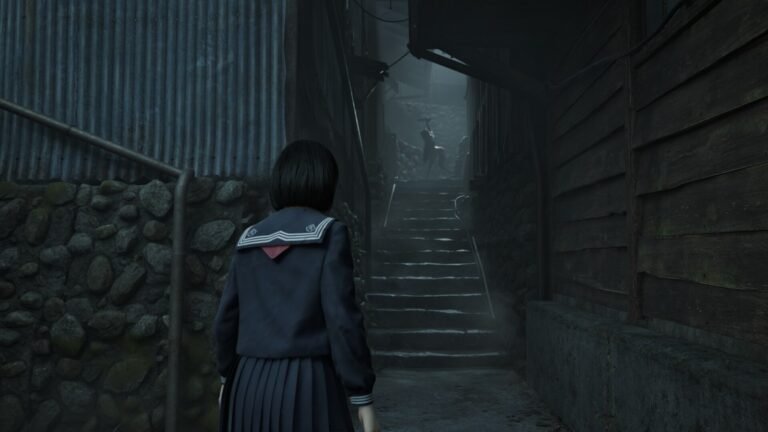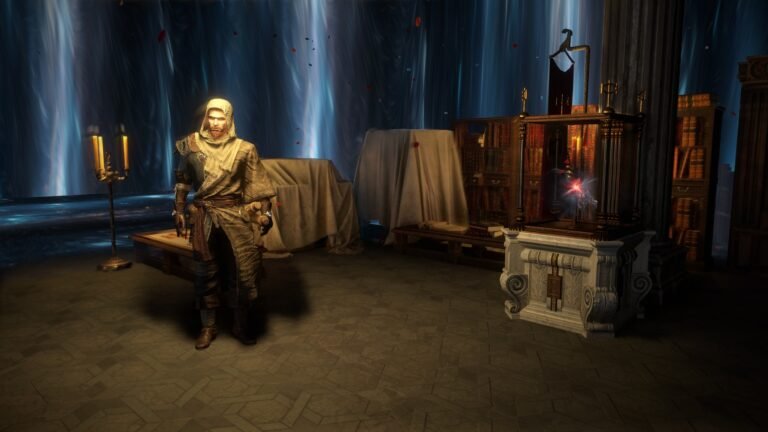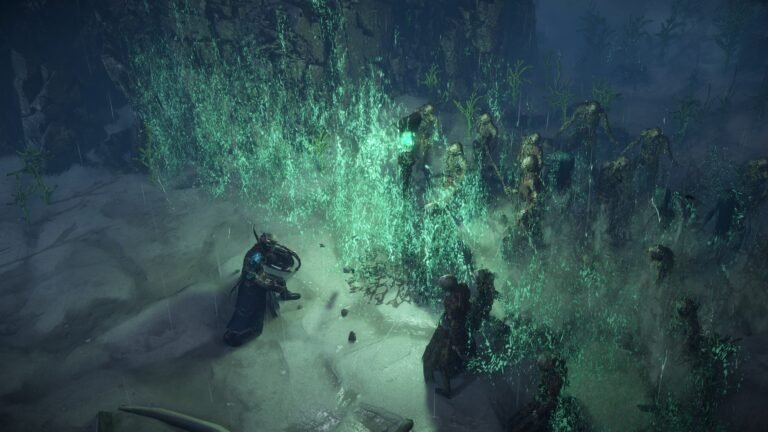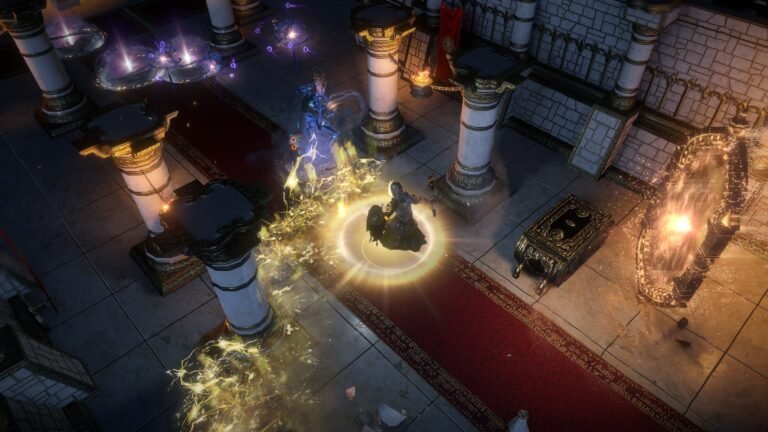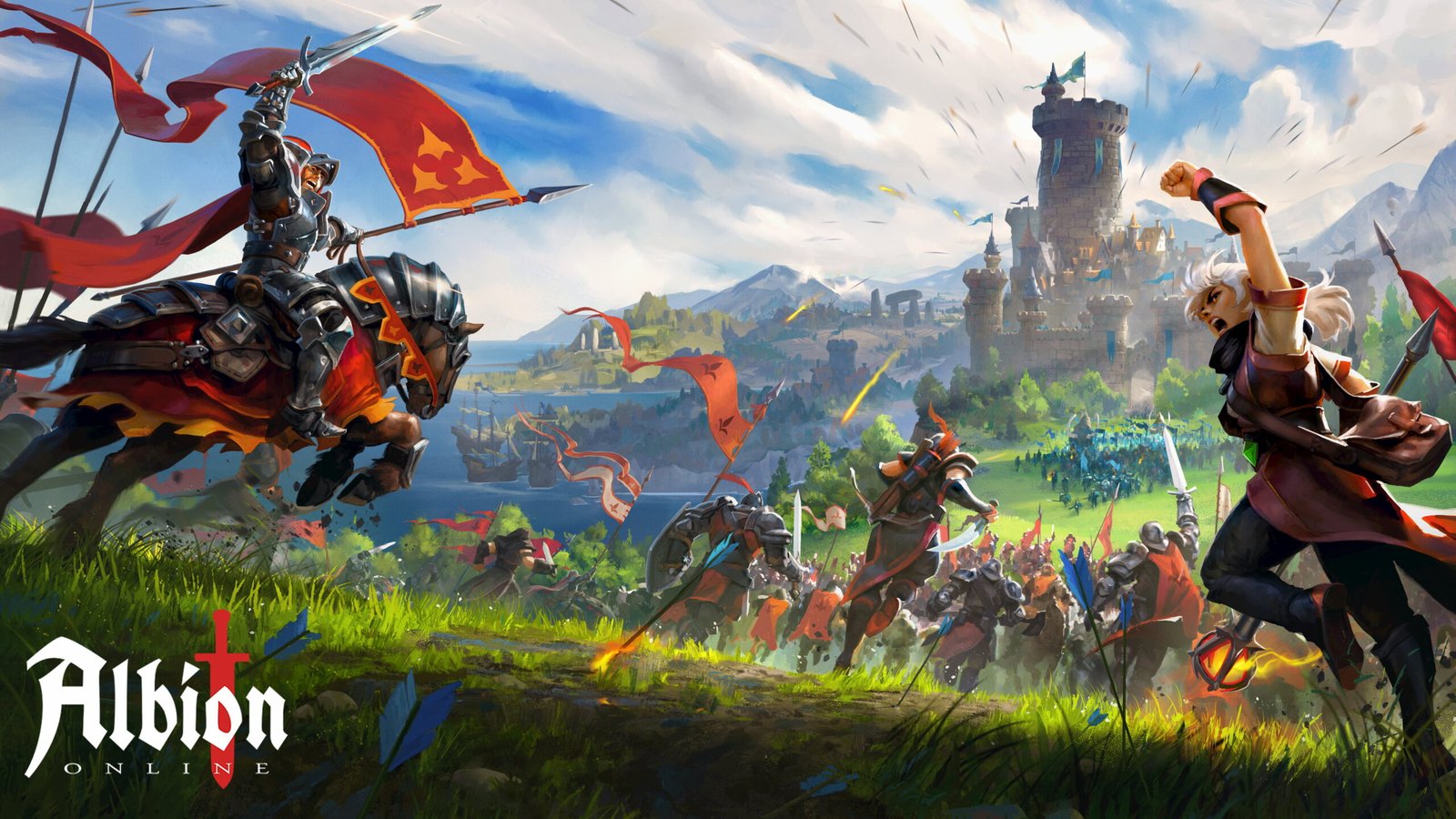
After the tutorial, Albion Online does not require you to follow a linear campaign toward a final villain. Your goal is to find your place in a shared world: master a weapon, explore dungeons, build a business or help a guild conquer territory. The Journal and challenges offer guidance, but they do not prescribe a single way to win.
That freedom comes with consequences. Resources, equipment and trade routes connect PvE, PvP and the economy; choosing where to travel also means choosing your risks. This guide explains progression, builds, zones, professions, guilds and monetization, including Dragonfire and the changes available in October.
Revised October 20, 2026. The 1v1 Arena is slated to return in a future season; the seasonal overhaul planned for 2027 has not yet been implemented. October’s temporary Fame and loot bonuses have ended.
Nesta matéria
What Is Albion Online?
Albion Online is a medieval fantasy MMORPG developed by Sandbox Interactive, a studio based in Berlin, Germany.
The game originally launched on July 17, 2017, under a paid-access model. It reached Steam on May 16, 2018, and became free-to-play in April 2019. Its platforms and infrastructure subsequently expanded: the full mobile release arrived in 2021, followed by additional regional servers and an Xbox Series X|S launch in April 2026.
Today it is available on Windows, macOS and Linux through its own client and Steam, on Android and iOS, and on Xbox Series X|S. The installed Xbox game is free; Game Pass may provide additional benefits and cloud access depending on the plan, but it is not a mandatory subscription to play the installed free version.
The game has three main regional servers:
- Albion Americas
- Albion Asia
- Albion Europe
Each has its own world, characters and economy. Switching devices does not transfer characters between regional servers: playing across PC, mobile and Xbox continues the same character within the chosen server. Existing accounts can be linked on Xbox. Players who start without a dedicated Albion account can subsequently convert it for full PC/mobile continuity.
Albion is a persistent world. While you are offline, other players gather resources, craft gear, trade and fight over territory. A guild might take control of an area, or a weapon’s price might change because demand has increased. Wars create demand for replacements. The resulting world is shaped by players, not only by scripted developer events.
Why Is Albion Online a Sandbox MMORPG?
A sandbox lets players create goals and relationships instead of following a mandatory campaign. The sandbox concept appears in many genres; here it operates inside a persistent MMORPG with shared markets, territory and organizations.
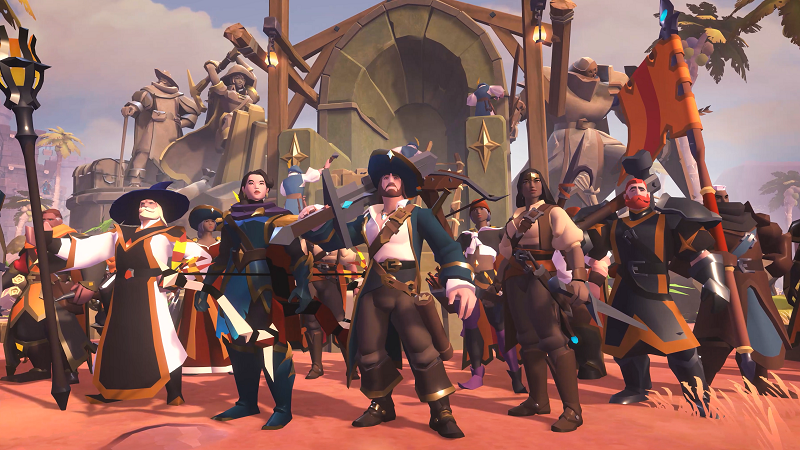
Crafters need materials; gatherers and haulers supply cities; fighters buy replacements; guilds defend infrastructure and compete for resources. Each activity feeds into a shared story, even if one character never does everything.
Freedom still has rules: gear requirements, progression, party limits and activity conditions remain in place. Tutorials, the Journal, quests, challenges and seasonal objectives guide players and reward accomplishments without establishing one compulsory ending.
So What Is the Goal of Albion Online?
Choose something to master and turn your achievements into new opportunities. A stable income can pay for equipment; a specialization can earn you a role in a group; guild membership can unlock territorial ambitions that would be impossible alone.
Combat-focused players might master a weapon, win suitable fights or clear advanced PvE. Economic players might specialize in a resource, craft efficiently or develop a profitable trade route. Guilds can pursue territorial victories and seasonal standings.
You do not have to join a war, and no amount of Silver represents the finish line. Match each objective to your time, resources and risk tolerance. Funding several replaceable PvP sets is a more practical first goal than mastering every system immediately.
How Does Progression Work in Albion Online?
The Destiny Board tracks unlocks, proficiencies and specializations in combat, gathering, refining and crafting. Characters do not depend on one general character level: you can be advanced with swords and a beginner with staves, or specialize in one profession while leaving another untouched.

Fame is experience earned through the corresponding activities. Killing enemies awards Combat Fame; gathering, refining and crafting progress their respective branches. Proficiency unlocks equipment types and tiers, while specialization improves specific lines and can increase effective power or production efficiency. Being able to equip a weapon is not the same as mastering it.
Learning Points and Quick Learn
Learning Points speed up eligible Destiny Board nodes. Since Abyssal Depths in June 2025, Quick Learn replaced Auto-Learn: once enabled, Fame earned on that node is multiplied by five while points are automatically consumed. Costs vary by node; there is no universal amount of Fame per point, and the former 20% progress requirement was removed.
You can configure nodes and categories. Adventurer, Reaver and nodes below the Generalist threshold are excluded. Premium grants 30 points daily; without Premium, the daily Adventurer’s Challenge can grant 10, and certain Journal missions award tomes. Because points are limited, prioritizing a profession or equipment line is usually better than enabling everything. Quick Learn accelerates the activity you actually perform; it does not complete progression by itself.
Does Albion Online Have Classes?
The principle “You are what you wear” means equipped items and abilities largely determine your role. You can change weapons and armor to change playstyle without creating another class, but your proficiencies and specializations still affect what you can equip and use effectively.
Weapons and armor provide active and passive skills. Combining damage, defense, mobility and crowd control creates a build. Mixed armor pieces can be more useful than a visually matching set. A gathering-and-escape build has different priorities from raid equipment.
DPS roles deal damage; tanks manage enemies and protect the front line; healers restore allies; supports provide protection, control or buffs. In PvP, the group’s composition and strategy matter too. These are roles, not permanent classes.
The Armory, added with Radiant Wilds in April 2026, helps players review loadouts informed by real activity data. It is a useful reference for comparing cost and context, but a statistically popular build may be unsuitable for your specialization or team.
How Do Tiers, Enchantments and Item Power Work?
Gear comes in tiers T1 through T8, each with progression requirements. Enchanted items carry additional notation such as T4.1, T4.2, T4.3 and T4.4, affecting their power.
What Is Item Power?
Item Power (IP) summarizes the effective strength of many items. It depends on tier, enchantment, quality and your character’s specialization. Two people carrying the same weapon can have different IP; buying expensive equipment does not automatically reproduce an experienced player’s results.
Quality and Enchantment
Quality can improve an item’s potential, while enchantments raise its characteristics under the system’s rules. Gear at different tiers and enchantment levels can therefore be compared, but performance is not determined by IP alone. Available skills and the complete build matter enormously.
Consumables and Mounts
Food and potions provide temporary effects such as increased attributes, recovery or resistance. Mounts help with movement, cargo and escape. Some prioritize speed; others cargo capacity or durability. In lethal zones, losing a valuable mount is a significant expense. Include food, potions and transportation when calculating a build’s full cost.
How Does Albion Online’s Open World Work?
The world mixes regions with different rules and opportunities. The Royal Continent includes starting areas, cities and lethal regions. Lymhurst, Bridgewatch, Martlock, Thetford and Fort Sterling offer markets, services and factions. Caerleon is surrounded by red zones and connected to the Black Market.

The Outlands host major guild conflicts over territories, Hideouts, castles and valuable resources. Forests, swamps, steppes, mountains and highlands distribute resources differently, affecting gathering, production and transport.
The Mists offer temporary areas for solo players or pairs, depending on the variant, with camps, enemies and PvP encounters. The Roads of Avalon provide temporary connections between regions for exploration, logistics and group play. Neither name means that every route is safe; entry notices and activity variants determine risk.
Ancient Lands, added in Dragonfire, consist of floating islands connected by portals and objectives. Their orange-zone version has limited protections explained below. Maps matter not only as scenery, but also for where resources appear, how to transport them and who can contest your journey.
Blue, Yellow, Red and Black Zones
A region’s color indicates its standard PvP rules, although special activities can apply different conditions. Check the entrance warning before entering.
| Zone | General rule | Typical PvP risk |
|---|---|---|
| Blue | Conventional hostile PvP disabled | No ordinary PvP gear loss |
| Yellow | Nonlethal PvP under specific conditions | Knockdown and durability loss, not conventional full loot |
| Red | Lethal PvP subject to hostility rules | Equipment and inventory can be lost |
| Black | Open lethal PvP | Equipment and inventory can be lost |
Blue zones generally protect standard exploration from hostile PvP. In yellow zones, permitted PvP commonly results in knockdowns and durability costs. Red zones use hostility and reputation rules; black zones allow open lethal combat. Faction Warfare, dungeons and special activities have their own conditions.
The orange Ancient Lands are not ordinary yellow zones: players can die and lose loot acquired inside, while gear brought in receives specific protection. The full-loot consequences need to be understood separately.
Full Loot: What Happens When You Die?
A knockdown is different from a lethal death. Ordinary knockdowns incapacitate you temporarily and may damage gear without automatically allowing other players to loot it. In lethal activities, the winner may loot weapons, armor, mounts and transported items according to that activity’s rules.
Some items can turn into trash instead of dropping. The defeated player cannot assume everything can be recovered, and the winner will not necessarily receive the full inventory value. Your Fame, specializations and unlocks remain intact; Silver and Gold held as account balances are not looted as inventory objects.
Plan for replacements. A set you can afford once may be too expensive for repeated lethal trips. Keep backup sets in storage and account for consumables and mounts. These losses and replacements also sustain gathering and crafting demand.
Important exception: in orange Ancient Lands, worn equipment is protected and Item Freeze preserves items carried into the activity. Loot acquired inside can be lost. These protections do not apply to the black full-loot variant. Always read each portal’s rules.
PvE: What Can You Do Without Fighting Other Players?
PvE grants Fame, resources and equipment through solo and group activities. Open-world encounters and camps allow shorter outings; dungeons and harder content require preparation and complementary roles. Monsters being present does not mean rival players cannot enter the region.

Solo Dungeons support individual runs. Group Dungeons and Static Dungeons emphasize teams with different encounter structures. In open or third-party-accessible activities, rival parties can still meet. Review regional risk and possible entrances beforehand.
Expeditions offer organized instances, with advanced versions needing better preparation. Avalonian Dungeons challenge coordinated groups with distinctive enemies and bosses. Tanking, healing and executing mechanics matter beyond raw IP.
Corrupted Dungeons, Hellgates and Mists combine monsters with possible player conflict; they are better understood as PvPvE. Nonlethal variants help players learn the mechanics before taking lethal risks.
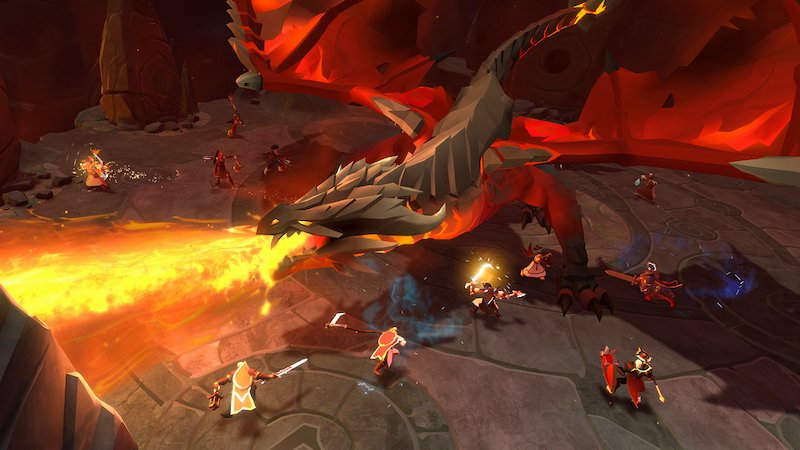
The Dragon Sanctuary expanded high-end PvE with a raid for up to 20 players and the Azaryon encounter. The regular raid contains no PvP, but the route to its entrance may be dangerous. Access, rewards and balance changes are explained in the Dragonfire section.
PvP: What Modes Does Albion Online Offer?
Albion features fights at different scales and with different consequences. Before joining one, check group size, ranking and lethality. An organized arena is not the same as an ambush during a transport run.
Duels, Arenas and Instanced Battles
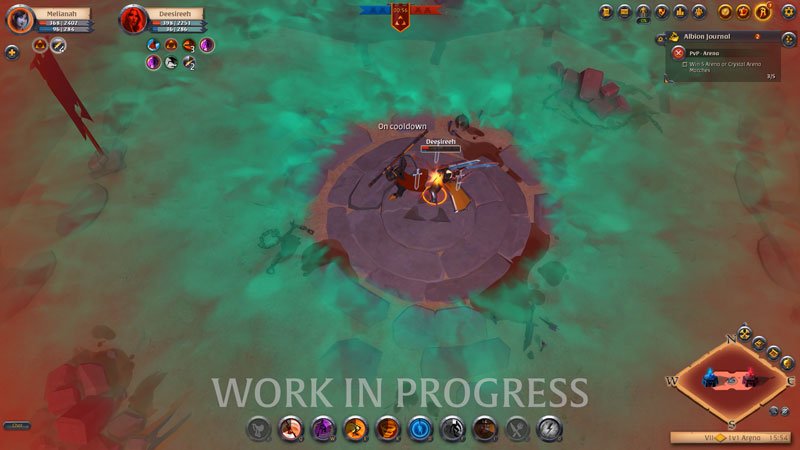
Duels allow agreed player fights, subject to their conditions and possible wagers. Arena provides team matches; Crystal Arena features ranked 5v5 PvP. Their power rules and rewards differ from open-world combat.
The experimental 1v1 Arena from Radiant Wilds was not a permanent available mode as of October 20, 2026. The October 16 Dev Talk announced its return during the next Guild Season without specifying an exact start date.
Corrupted Dungeons feature solo invasions and varying risk. Hellgates mix PvE and team fights in 2v2 and 5v5 formats; the old 10v10 variant was removed in June 2025. Mists bring less predictable encounters to solo and duo exploration.
Open World, Extraction and Group Scale
Open-world ambushes, contested chests, escorts and spontaneous fights depend on the region. Small-scale usually means smaller groups; ZvZ means large organized forces around shared objectives. These describe scale, not one universal mode.
The Depths, introduced with Abyssal Depths, is an extraction activity for duos and trios: collecting rewards is only part of the task; you must escape successfully. Defeat can cost carried inventory while preserving worn gear under that activity’s rules. It is not standard black-zone full loot.
Solo play calls for selecting fights and knowing when to retreat. Small teams distribute roles and offer backup. In ZvZ, group movement, retreats and area abilities require coordination. The group size never overrides an activity’s entry or risk rules.
How Does Faction Warfare Work?
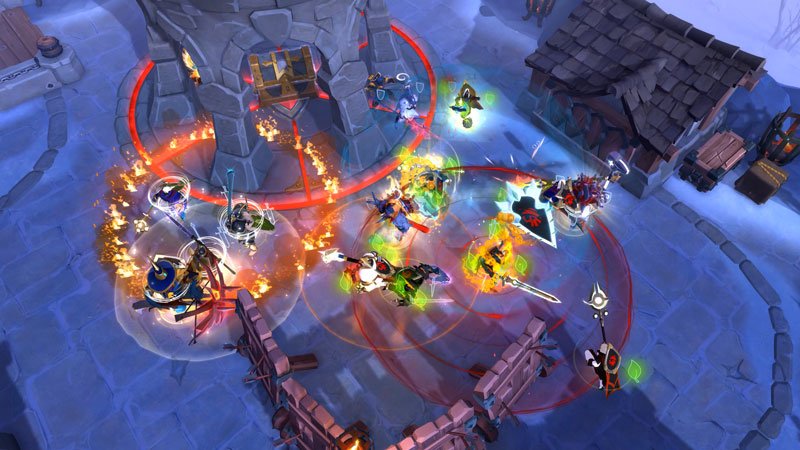
Faction Warfare lets players take part in conflicts among the city factions of the Royal Continent. Unlike guild wars, joining a privately run organization is not the defining requirement: players choose a faction and follow its flagging and participation rules.
What Are the Objectives?
Players capture outposts, move supplies and fight for areas of the Royal Continent. Participation grants Faction Points redeemable through faction reward systems. Realm Divided (November 2025) introduced Provinces, grouping multiple regions into broader battlefronts with control objectives.
Faction Fortresses
Faction Fortresses are strategically important buildings within Provinces. Taking or defending one can alter the battlefront, so faction conflict demands organized offense and defense rather than isolated outpost captures.
Faction Battle Standards
Realm Divided Part II, released in February 2026, introduced Faction Battle Standards: portable banner objectives that gain value through faction activity and can be delivered to friendly outposts. They create opportunities for ambushes, chases and spontaneous fights.
Bandit Assault
The February 2026 rework tied Bandit Assault to Provinces and Supplies. Factions complete activities in red zones before concentrating on Fortress battles and valuable rewards, potentially involving several groups at once.
Is Faction Warfare the Same as Guild Warfare?
No. Faction Warfare is tied to the Royal Continent’s city factions. Guild territory wars primarily concern Outlands holdings, territories and objectives chosen by guilds and alliances. You can join a faction without the long-term commitments of a competitive guild.
Why Do Guilds and Alliances Matter?
Guilds organize people, resources and shared aims. Some focus on newcomers, trading, PvE or small groups; others compete for territory. Joining a guild does not automatically mean daily ZvZ. Its leaders, schedules and participation rules should fit what you want.
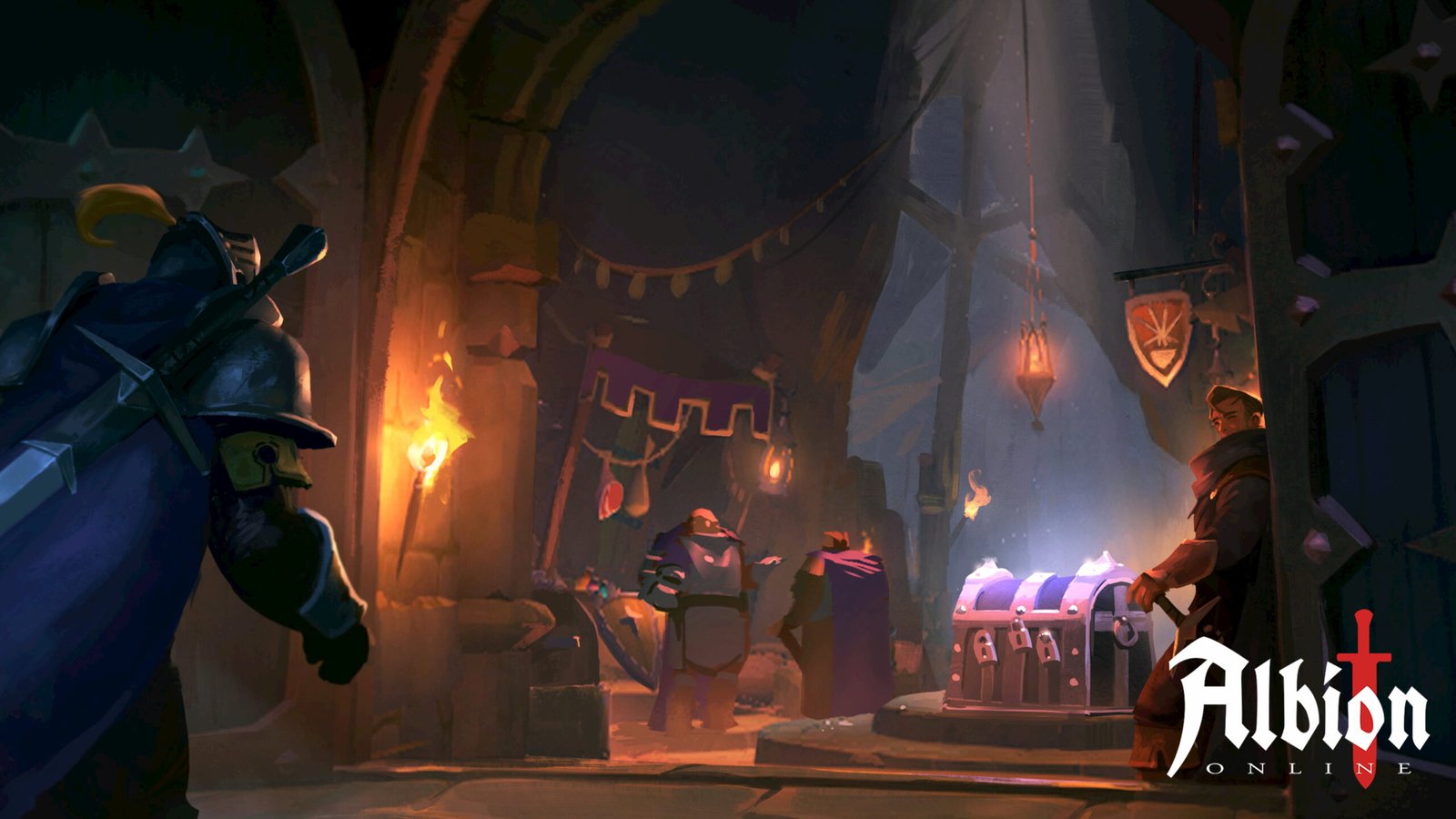
Guild members can share gathering, crafting, logistics, scouting and fighting duties. Hideouts provide infrastructure in eligible regions, bringing storage closer to activities, but building and protecting them follows specific rules; they are not invulnerable bases.
Alliances coordinate multiple guilds, adding political and military reach along with more obligations. Before joining, review taxes, gear requirements, bank permissions and replacement policies. A promise to cover losses needs clear conditions.
Guild wars differ from the Royal Continent’s city factions: a faction brings players under a regional banner; a guild is a player-run organization with its own seasonal and open-world objectives.
How Do Territory Wars Work?
Guilds contest persistent territory, defend infrastructure and attempt to secure resources and routes in the Outlands. Holding a victory depends on logistics, schedules and mobilization across a season, not just winning one fight.
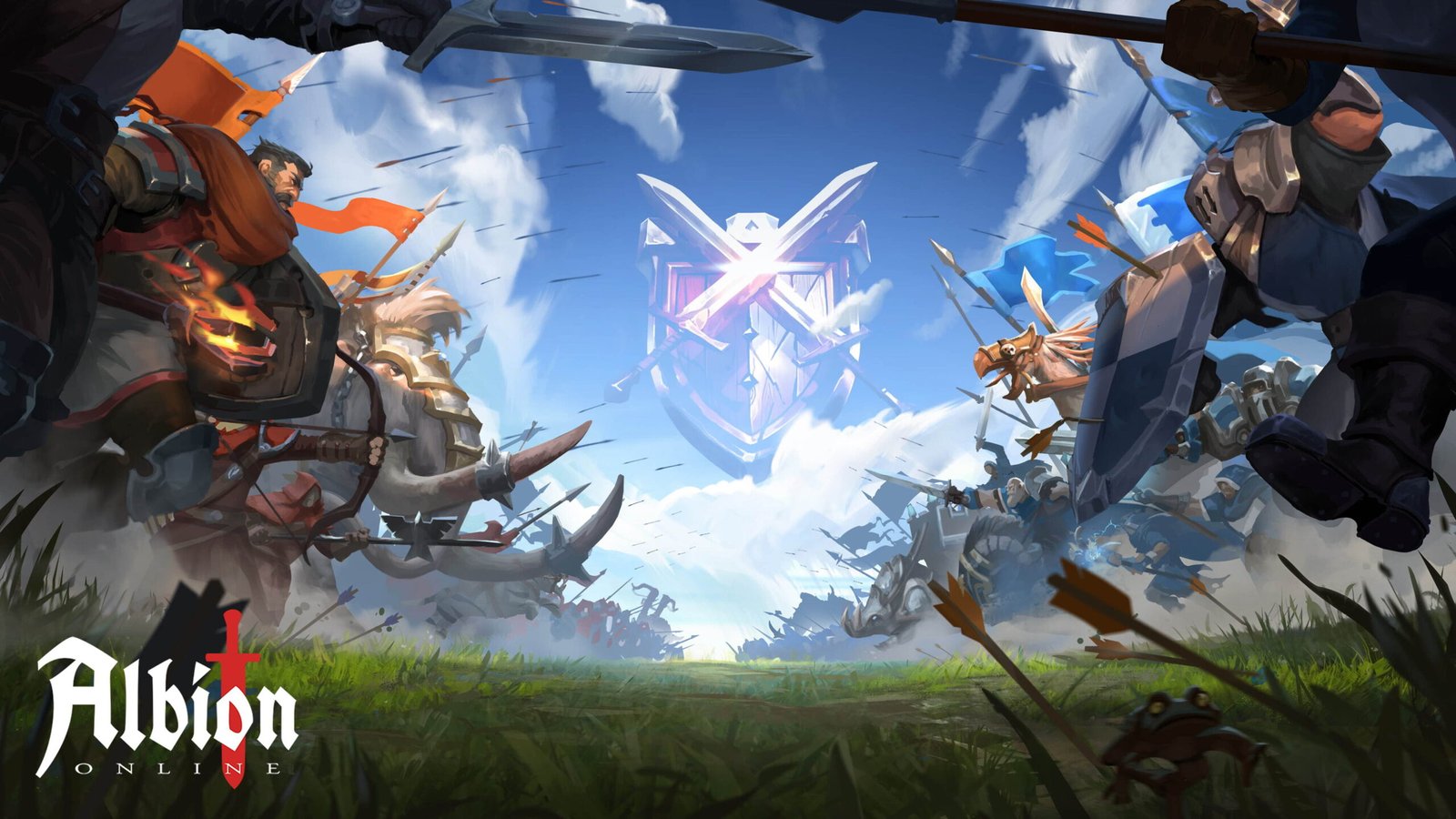
Territories, Hideouts and castles have different functions and capture conditions. Territories affect control and scoring; Hideouts help maintain a presence; castles and other objectives offer loot and battles. They are not all captured or owned through identical systems.
A victory may open a trade route or weaken a rival, but longer campaigns require replacement gear and agreements. Transport, crafting and intelligence support a war even when not every member fights. These efforts also feed into seasonal rankings.
Does Albion Online Have Tournaments?
Albion has Guild Seasons, ranked arenas, official events and community tournaments. It has a competitive scene, but these events should not automatically be described as a continuous global professional esports circuit.
Guild Seasons, Might and Season 34
Guilds collect Season Points in separate Albion Americas, Asia and Europe rankings. Territories and eligible activities contribute. Might progresses endgame systems and the Conqueror’s Challenge; it is not a synonym for Season Points, although some activities contribute to both differently.
Season 34 was scheduled to run from September 12 to November 9, 2026, according to the schedule available at this article’s October 20 editorial cutoff. It includes Ancient Lands and dragon-related progression. The midseason Invasion Day occurred on October 10; double scoring and storage payouts began then. The final Invasion Day was scheduled for November 7.
Rewards include Flameward avatars, chests and Fame boosts subject to participation requirements. An Invasion Day can reshape territory control and mobilization. Neither another server’s leaderboard nor a previous season’s reward should be presented as universal.
Historical Championships and Completed Events
The last Crystal League Championship took place in September 2023. Its end did not remove competitive PvP or Crystal Arena, but the old CLC must not be presented as an ongoing official tournament in 2026.
The Crucible II, held in April–May 2026, brought together over 100 creators and their communities in a guild progression competition. Zizaran’s Road to Exile won. It was a limited event that has ended. Community tournaments depend on organizers’ schedules and rules; no prize should be assumed.
What Is Planned for 2027?
The October 16 Dev Talk outlined an early-2027 plan to bring Guild Seasons, Adventurer’s Challenge, Conqueror’s Challenge and faction campaigns closer together under a more unified seasonal structure. The aim is to let more activities contribute without forcing every player into competitive guilds. More flexible rewards were under consideration. This is a plan, not a rule already active in Season 34.
How Does Resource Gathering Work?
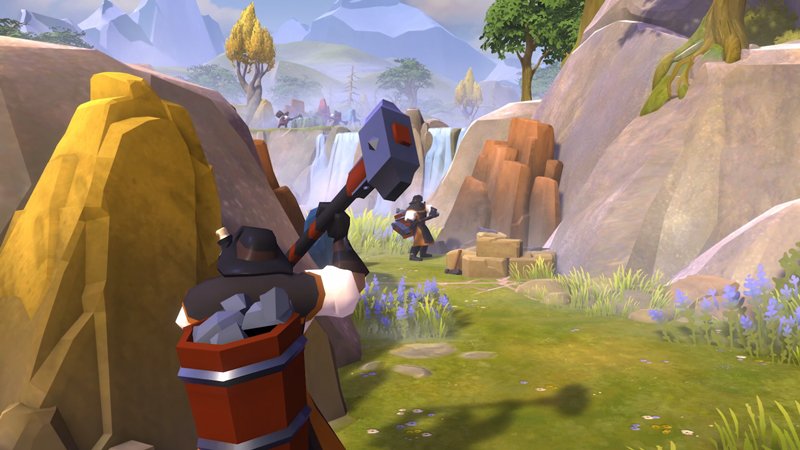
Gathering is essential to the economy because raw materials feed equipment, construction and other products. The five main conventional resources are wood, stone, ore, fiber and hide; fishing has its own gear and progression.
Each resource needs suitable tools. Leveling a profession unlocks higher tiers; specialization improves efficiency. A dedicated gatherer can be economically important without specializing in combat.
Some materials lie in lethal PvP zones, where gathering and transporting valuable cargo invite risk. Routes, mount capacity and the possibility of attack matter. You can focus much of your playtime on harvesting and trading, but income depends on demand, market prices, server and time invested: there is no guaranteed fixed Silver-per-hour rate.
Crafting and Refining: How Is Gear Made?
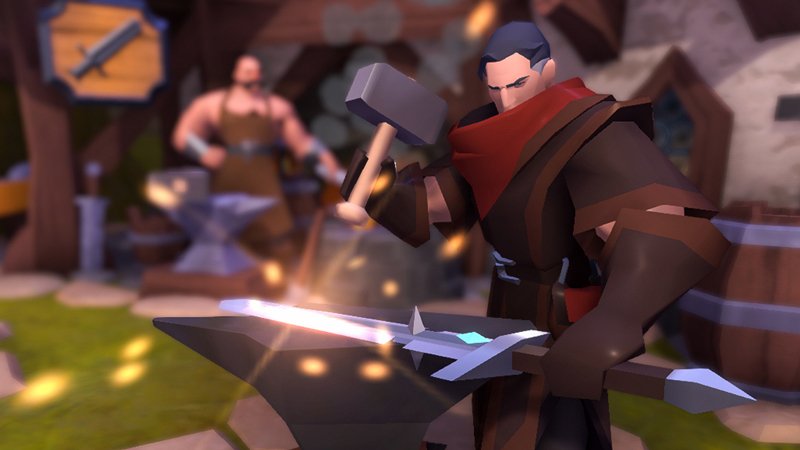
Crafting turns materials into equipment and consumables. Much of Albion’s gear originates in the player economy, which is why production professions matter so much.
How Does Refining Work?
Refining processes raw resources into manufacturing materials: logs become planks, ore becomes metal bars, and other resources follow their own production chains. Finished materials are used in equipment and building recipes.
Crafting Weapons and Armor
Crafters choose which item categories to specialize in, increasing efficiency and benefiting from production-related advantages. Item quality affects value, but crafting does not automatically equal profit. Account for raw material costs, station fees and achievable selling prices.
City Bonuses
Cities provide bonuses to specific crafting and refining activities, encouraging economic specialization. Moving materials to another city may increase efficiency, but transportation cost and risk must be included.
Consumables and Mount Production
Food, potions and mount animals are also economic products. Wars consume equipment and potions; PvE players use food and buffs; haulers need different mounts. Several professions therefore serve the same market.
How Does Albion Online’s Economy Work?
Albion’s economy connects production, combat and transport. Silver pays for purchases, repairs and services. Gold is tied to monetization and can be traded for Silver via the official system. Their exchange rate changes with supply and demand; there is no fixed relationship.
Every Marketplace has a local order book. Buy orders state a buyer’s maximum price, while sell orders list stock at asking prices. Taxes, volume and execution time all matter, so the lowest visible listing may not indicate an achievable profit.
Regional price differences create hauling opportunities. Buying in one city and selling in another might pay off, but cargo weight, mount capacity, travel time and risk must be considered. Goods awaiting sale also tie up capital. A seemingly profitable route is not a guaranteed return.
Caerleon’s Black Market is different from ordinary player-to-player trade: it buys equipment to supply part of the loot distributed by the game. Not every item or drop passes through this system.
Losses and replacements sustain demand for production; resources, consumables and services support recurring activity. Materials you gathered yourself are not free: your time and opportunity cost still count when calculating a margin.
Personal Islands, Farming and Animal Breeding
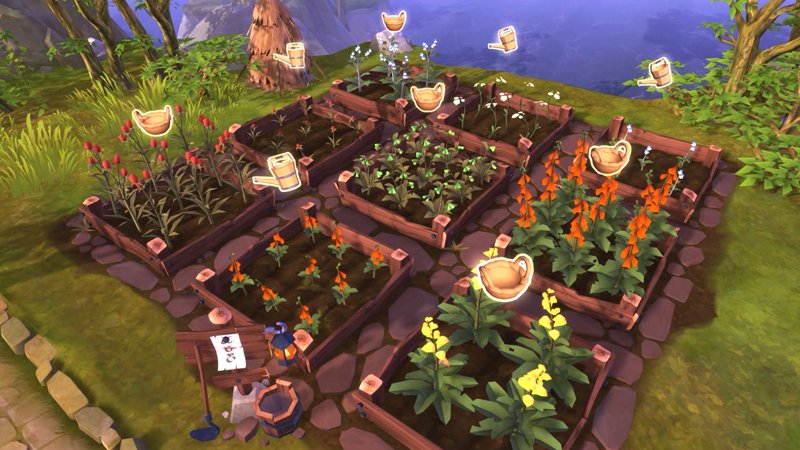
Personal islands offer plots for buildings and economic activity. Players can grow crops, breed animals and organize part of their production there.
How Do You Get a Personal Island?
An Island Merchant in eligible cities sells them. The official farming guidance requires having purchased at least seven days of Premium to unlock the purchase. Afterward, you can retain the island without keeping Premium active. Island purchases and upgrades cost Silver according to the current rules.
How Does Farming Work?
You can cultivate crops and herbs for food, potions and other crafting chains. Results depend on seeds, farming actions and applicable bonuses.
Animal Breeding
Some animals yield production materials or can be raised toward mount-related activities, offering another profession for economy-focused players.
Guild Islands
Guild islands provide shared space subject to the organization’s permissions. Their rules are not identical to personal islands, so do not assume every farming benefit works the same way.
Is Premium Required? Is Albion Online Pay-to-Win?
Albion is free to download and play. You do not need Premium to explore, fight monsters, progress gear or join most major activities. However, Premium offers tangible advantages including:
- Fame bonuses;
- Daily Learning Points;
- Focus Points;
- Better yields from gathering and farming;
- More favorable economic conditions in some activities.
Premium is not merely cosmetic. It can speed up progression and improve production efficiency.
Does Premium Grant Direct Combat Power?
Premium cannot replace skill, game knowledge or organization. Economic and progression benefits can nonetheless help players acquire gear and develop specializations faster. Because real-money-linked Gold can be exchanged for Silver, spending money can influence a player’s economic strength. The question of paid advantages therefore has no simple universal answer.
Can You Buy Premium With Silver?
You can use in-game economic systems to acquire Gold and purchase Premium through the available official mechanisms. This does not mean everyone can sustainably fund a subscription through gameplay. It depends on Premium prices, the Gold/Silver exchange rate and your earning capacity. Beginners should learn the game before making Premium upkeep a daily obligation.
Is It Better to Play Solo or Join a Guild?
Solo players can specialize, gather, trade, explore and run PvE. Mists and some PvP content also provide individual options, but there may be no allies nearby when danger appears. In lethal areas, movement and escape are especially important.
Friends unlock more cooperative content, Hellgates and special zones; communication helps survival as much as combat. Small groups can set meaningful goals without belonging to a huge alliance.
Organized guilds make major battles, infrastructure, territory and seasonal events easier to access, but some expect attendance, frequent participation or specified gear. The right choice depends on your available time and preferred activities, not a universal rule.
What Should You Do During Your First Hours in Albion Online?
Finish the tutorial and follow the Journal to learn tools, skills and services. Try several weapons before specializing. Choose an accessible line, open the Destiny Board and identify a useful next unlock. Complete introductory PvE, visit a Marketplace and test gathering.
Compare gear and repair costs with your sustainable income. Before entering lethal zones, buy a set you can replace and keep reserves in storage. Set one practical goal, such as unlocking a tool or financing a few trips. Join a guild if you want group learning, after checking schedules and requirements. You do not need a complete economy or a permanent specialization during your first hours.
How Albion Online Has Evolved Since 2017
Albion’s updates have expanded regions, altered economic systems, introduced new PvP forms and changed guild activities.
2017–2019: Launch and Free-to-Play
The game launched in July 2017, reached Steam in 2018 and switched to free-to-play in April 2019, expanding access beyond a paid purchase.
2020: Roads of Avalon
Rise of Avalon introduced the Roads of Avalon and additional exploration, PvE and PvP activities through a new network of portal routes.
2021: Mobile Expansion and Open World
The full Android and iOS launch came in June 2021. Lands Awakened also overhauled important open-world activities later that year.
2022: Mists
Beyond the Veil introduced the Mists and broadened solo and small-party exploration with risk-and-reward activities not always dependent on large guilds.
2023–2024: Regions and Servers
Albion Asia launched in 2023; Wild Blood added features such as awakened equipment and island adjustments that year. Albion Europe expanded regional infrastructure in 2024 alongside continuing open-world and progression changes.
2025: PvP and Faction Wars
Abyssal Depths introduced new PvP experiences and onboarding improvements. Later, Realm Divided rebuilt Faction Warfare around Provinces and Faction Fortresses, elevating organized fighting on the Royal Continent.
2026: Radiant Wilds, Xbox and Dragonfire
Radiant Wilds launched on April 13, refreshing open-world visuals, improving performance and introducing Armory and the experimental 1v1 Arena. Albion arrived on Xbox Series X|S on April 21.
The Keeper Uprising event in July and August set the stage for larger changes. Dragonfire, released August 31, significantly expanded PvE and exploration.
Dragonfire: Dragons, Ancient Lands and Dragon Sanctuary
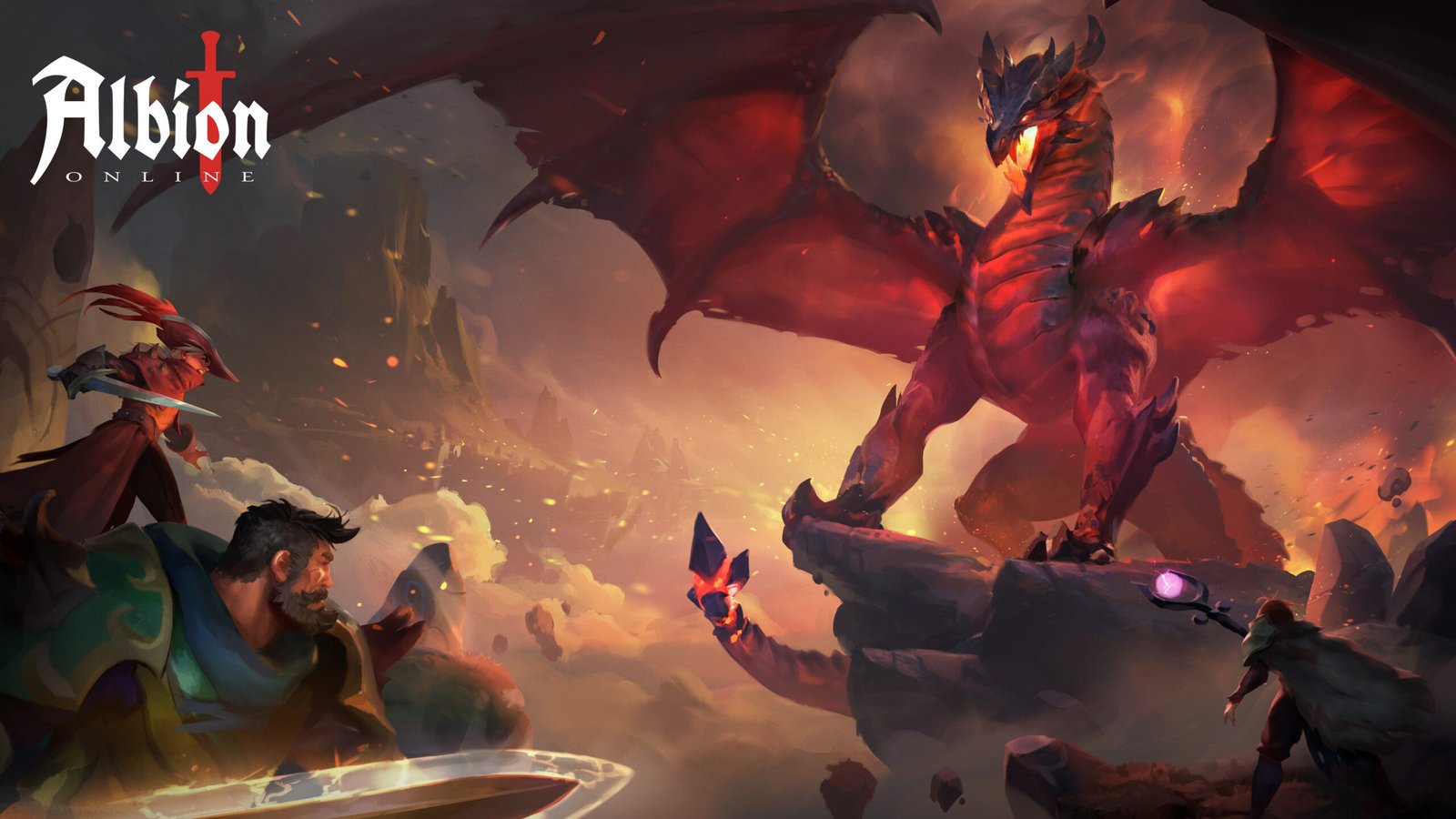
Dragonfire, released August 31, 2026, brought dragons, new regions, opponents, rewards and group activities. Its systems also affect open-world conflicts and competitive guild seasons.
How Do the Ancient Lands Work?
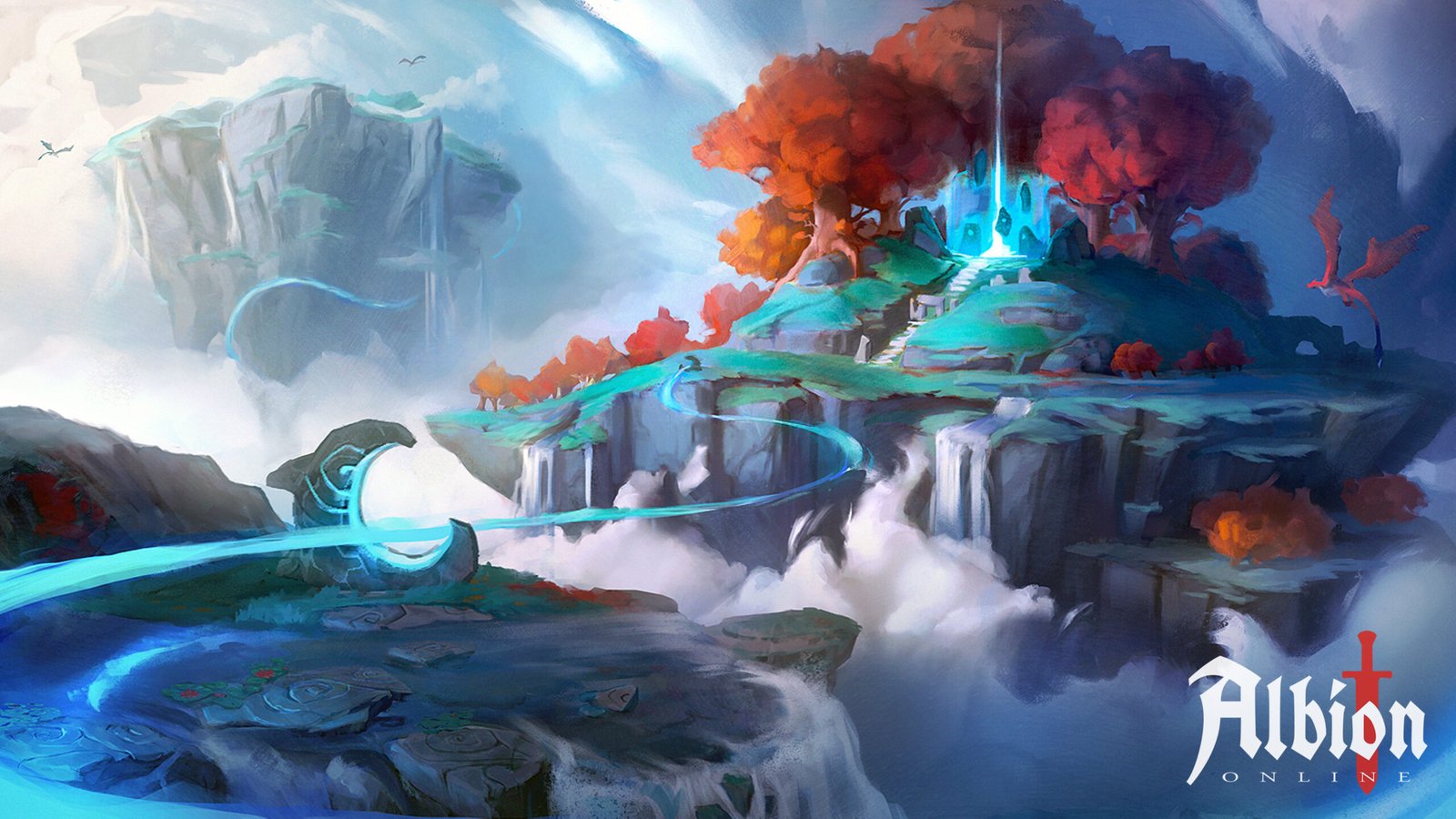
The Ancient Lands consist of floating islands reached through portals across Albion. Players complete objectives and find Keystones to activate Leygates between islands. Keys may be repositioned to open alternative routes. Objectives on Drake islands eventually unlock a central Fire Drake island and its chest. Exit portals let groups leave early.
Challenges and rewards increase as parties progress, but rival players can appear. Small portals support 1–5 players, with distinct matchmaking for solo, pairs/trios and groups of four/five. Medium portals serve 5–7 and large portals 15–20. These are entry and matchmaking conditions, not guarantees of safety or identical difficulty.
Is There Full Loot in the Ancient Lands?
That depends on the portal’s variant. Yellow-zone portals lead to an orange-zone partial-loot experience. Worn gear is preserved, but death and the loss of loot earned inside are possible; these are not ordinary yellow-zone knockdown rules.
Red- and black-zone portals lead to lethal variants. Since Patch 2 on September 23, Item Freeze has protected inventory items brought into the orange variant: they are frozen on entry and are not lost on death. Items earned inside are not protected. This does not make the black full-loot version safe. Check each entrance’s current conditions.
Dragon Attacks
Dragons can attack open-world regions, creating PvE encounters and attracting groups competing for rewards. In the Outlands, these attacks can become objectives fought over by rival guilds.
Dragon Sanctuary and Azaryon
Dragon Sanctuary is a raid for up to 20 players, entered using a Spirit Waystone. A Waystone may drop whole, be assembled from fragments or be bought from other players; its grade determines an appropriate Sanctuary. The raid is party-exclusive and has no ordinary internal PvP, but traveling to its entrance can be hazardous.
Teams face Drakes, Ashborn enemies and Maeve before Azaryon. The final boss reacts to positioning and threat and requires coordinated damage, healing and protection. A successful kill applies a one-week effect making repeat clears harder; the Journal offers repeat-victory objectives. Later Maeve tuning did not turn this into beginner content.
New Equipment and Rewards
Dragonfire added Fire Dragon Scales and artifacts for crafting Dragonslayer leather armor, Ancient Bones used at altars for draconic progression, and Dragon Blood for a new potion. These materials have distinct functions, not one shared recipe.
Rare Fire Drake Eggs from Azaryon can help raise the Firewing Drake mount. The Fire Drake enemy found in the Ancient Lands is not the mount itself. Other food, consumables and cosmetics also arrived.
What Changed in October 2026?
Sandbox Interactive released Dragonfire Patch 3 on October 12. Small Ancient Lands portals in yellow zones became more common. To balance easier access, Fame and loot were reduced by 30% in Ancient Lands entered through those portals. This reduction did not apply to small red/black-zone portals or medium/large portal rewards.
Large portal spawn chance also increased 50%, particularly at peak times. Loot distribution shifted toward the central Fire Drake chest; Ancient Lands monster health and damage decreased; the last stage of Maeve became more forgiving. Open-world dragons began resetting only to the last reached 20% health threshold and granting additional Might.
The temporary 15% Fame and loot bonus in Ancient Lands and Dragon Sanctuary ended on October 18 at 23:00 UTC for Albion Asia and October 19 at 10:00 UTC for Albion Europe and Americas. It was no longer active on October 20.
Mobile controls gained targeting modes for enemies, allies, party or automatic selection, plus an option to double-tap to select your own character. These are interface improvements, not changes to risk rules.
Is Albion Online Still Worth Playing in 2026?
Albion appeals to players who want to develop specializations, build an economic activity and form lasting relationships in a shared world. It may be less appealing to someone seeking a linear campaign, permanently safe gear in every region or progress without weighing risks.
Radiant Wilds and Dragonfire expanded presentation, tools and higher-end PvE, but did not replace the sandbox core. What matters is choosing activities, learning their rules and meeting people with compatible goals.
Start with one measurable goal: master a starter weapon, fund several outings or learn a profession. Once that goal stops being meaningful, the same character can move in another direction. The freedom to build and revise your own goals is Albion Online’s central objective.
About the Author