A perspectiva próxima à cabine acompanha uma aeronave em voo entre pilones em Microsoft Flight Simulator 2024. Imagem: Asobo Studio / Xbox Game Studios.
Flying a plane, driving a truck, running a farm, or following a family’s everyday life are very different activities that video games have turned into interactive experiences. Simulation games let players make decisions and observe their effects within models of activities, processes, or systems.
This feature traces the origins and major branches of simulation, from Bruce Artwick’s aircraft to the everyday lives of The Sims. It also explains the roles of physics, controls, progression, and creative freedom, covering relevant milestones through October 2026.
Updated October 21, 2026.
Nesta matéria
What defines a simulation game?
The model may involve vehicles, economics, social relationships, agriculture, transportation, or industrial processes. Players’ actions change the conditions being represented: driving affects a vehicle, planting sets up stages of cultivation, and managing needs changes characters’ daily routines.
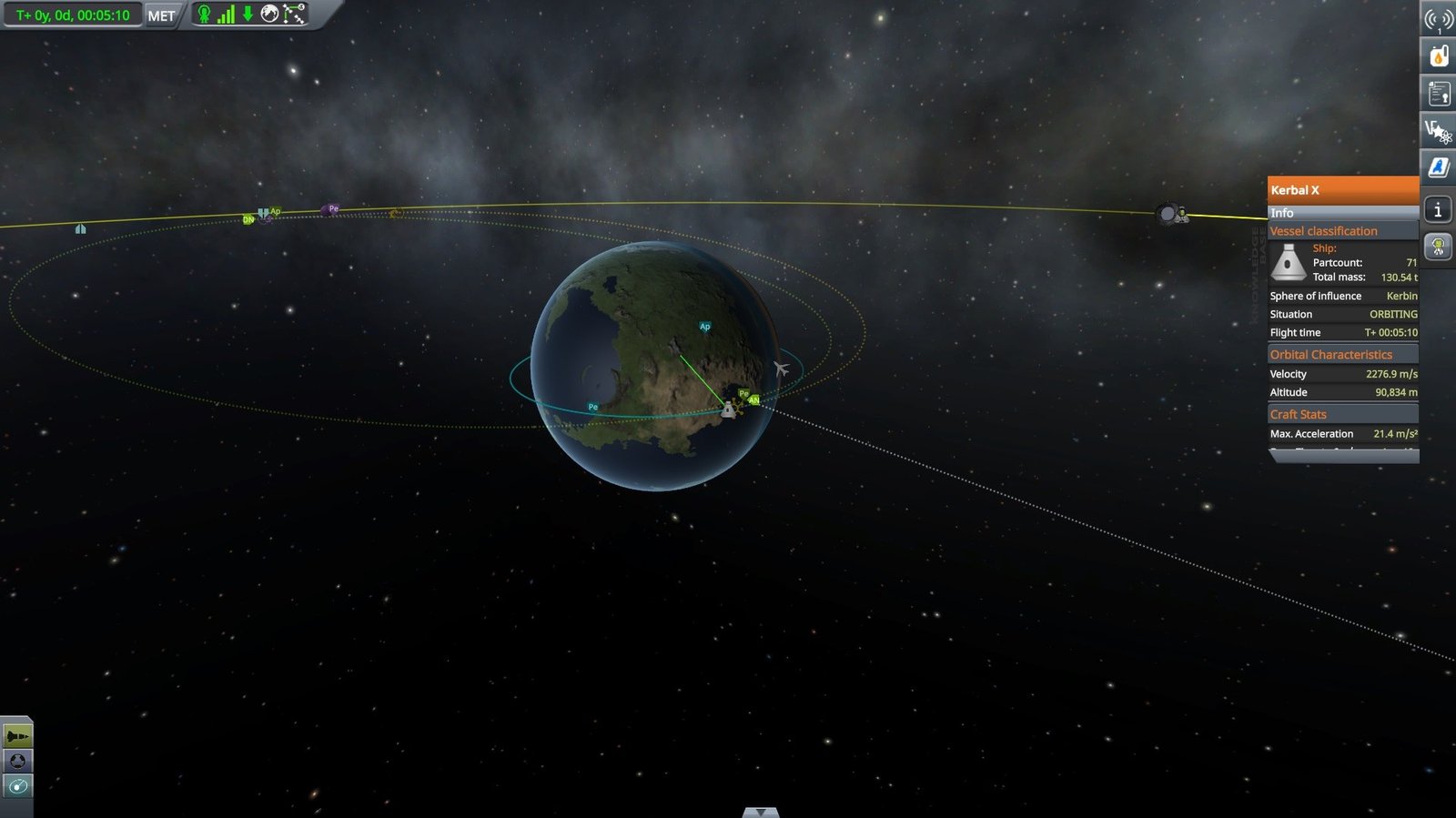
The activity does not even have to exist in real life: Kerbal Space Program uses a fictional universe and adapted physical principles. Simulation does not require an open world, a first-person perspective, a campaign, progression, multiplayer, or the performance of every task in a profession. Some games provide missions; others allow free experimentation.
Simulation, realism, and fun: different concepts
Visual realism concerns appearance. Mechanical fidelity describes how rules represent the behavior of an activity. Abstraction deliberately simplifies systems, while accessibility concerns understanding and using tools and controls.
Sophisticated graphics can accompany simplified operations, while stylized visuals can conceal complex calculations. The Sims selects certain needs and relationships; Euro Truck Simulator 2 emphasizes driving and logistics without reproducing every aspect of a truck driver’s profession.
There is no universal quality scale based solely on realism. A model should be judged by the aspects it aims to represent and the possibilities it provides.
How did simulation games begin?
Computers were already used for mathematical models, research, and training before home video games became popular. These professional applications were not necessarily games. Personal computers opened up more space for commercial entertainment simulators, with flight simulation becoming prominent early on.
Bruce Artwick, subLOGIC, and the first Flight Simulator games
During the 1970s, Bruce Artwick worked on computer graphics and the representation of flight on computers.
Artwick founded subLOGIC, which he developed as a business alongside Stu Moment, to market computer graphics and simulation software. His work predates Microsoft’s involvement with the franchise.
His Flight Simulator reached the Apple II around the turn of the late 1970s and early 1980s. The Flight Simulator II manual published by subLOGIC records 1979 for the first program; historical timelines also place stages of distribution in 1980. Development, initial commercialization, and availability of each version are not necessarily the same milestone.
Even simple geometric landscapes allowed users to control an aircraft in a computer-generated three-dimensional environment.
In 1982, Microsoft released Microsoft Flight Simulator for IBM PC, drawing on technology developed from Artwick’s and subLOGIC’s work.
These stages must be kept distinct: Microsoft did not single-handedly invent the earliest flight simulators, and the commercial debut of its IBM PC series followed Artwick’s experiments.
SimCity broadens the idea of simulation
In 1989, Maxis released SimCity, created by Will Wright. The studio’s official timeline records that debut and the release of SimCity 2000 in 1993. Maxis became part of Electronic Arts in 1997, years after both games launched.
Zones, roads, infrastructure, services, and population formed an urban system of decisions and consequences. SimCity 2000 expanded building and management options in 1993. This contribution showed that simulation could also represent cities without directly controlling a machine. That tradition is explored further in our City Builder feature.
Microsoft Flight Simulator and the evolution of flight simulation

Microsoft Flight Simulator X, developed by the ACES team and published by Microsoft Game Studios for Windows in 2006, expanded the aircraft and structured activities available, including missions. This refers to the original game, before the Steam Edition released in 2014.
The franchise regained considerable attention with Microsoft Flight Simulator, first released for PC in 2020, developed by Asobo Studio and published by Xbox Game Studios.
The game used modern technology and geographical data to represent vast regions of the planet, offering flight experiences with different aircraft, airports, and environmental conditions.
On November 19, 2024, Microsoft Flight Simulator 2024 arrived, also developed by Asobo Studio and published by Xbox Game Studios, initially on PC and Xbox Series X|S. Its PS5 edition debuted on December 8, 2025. This is a new product with its own systems and activities, not a free update to the 2020 edition.
Beyond exploring the world and controlling aircraft, the newer game developed aviation career activities such as passenger and freight transport, aerial firefighting, and search and rescue. In Career mode, players complete activities, build their reputation, and earn virtual certifications to unlock further operations, as explained in the official presentation of the mode.
What does the player need to control?
Preparation, takeoff, instruments, navigation, altitude, airspeed, weather, and landing are part of flying, depending on the aircraft and settings. Assistance options enable different levels of complexity. Geographical data, aircraft models, and environmental systems have expanded the possibilities beyond graphical presentation.
On October 13, 2026, Sim Update 7 added National Championship Air Races to MSFS 2024, with pylon racing and short takeoff and landing (STOL) activities. The activity is free; Racer Pack 1 offers additional aircraft as an optional purchase and is not required to access it.
Importantly, a commercial simulator may help users become familiar with aviation concepts, but it does not replace formal education, supervised practical training, or professional certification.
The Sims and everyday life simulation

On February 4, 2000, The Sims, created by Will Wright and developed by Maxis, was released for PC by Electronic Arts.
Creating characters and houses and organizing needs, relationships, routines, and careers opened up an accessible interpretation of everyday life simulation. Personal goals and emerging situations could guide play without a traditional victory condition.
These systems compete for the characters’ time. Spending the evening on an activity or meeting can postpone rest; a tired Sim must balance sleep, food, and upcoming commitments. Scheduling and access to household objects affect that routine. The player makes a plan, observes how needs and interactions change it, and decides what to prioritize. Building and decorating are part of everyday life, but do not encompass the whole of social simulation.
How has The Sims evolved?
The Sims 2, released in 2004, expanded character development, including aging and other aspects of their life stories.
The Sims 3, released in 2009, developed an open-neighborhood structure and further ways to explore daily life.
In 2014, The Sims 4 introduced a different organization of characters, emotions, building, and social interactions.
On September 22, 2026, Electronic Arts released the Sul Sul, Smarter Sims! update, improving autonomous behavior and everyday interactions. Improving these systems does not mean that all long-standing autonomy issues have been resolved.
The list published by EA on October 20, 2026 scheduled further behavior and stability fixes for October 27. As of October 21, these were announced changes still in the future, not fixes already available.
Each installment has its own rules: not every feature in The Sims 4 should be attributed to the original, nor should its characters be treated as a comprehensive recreation of human behavior. Having characters and dialogue alone does not define a life simulator.
Driving, transportation, and vehicle physics
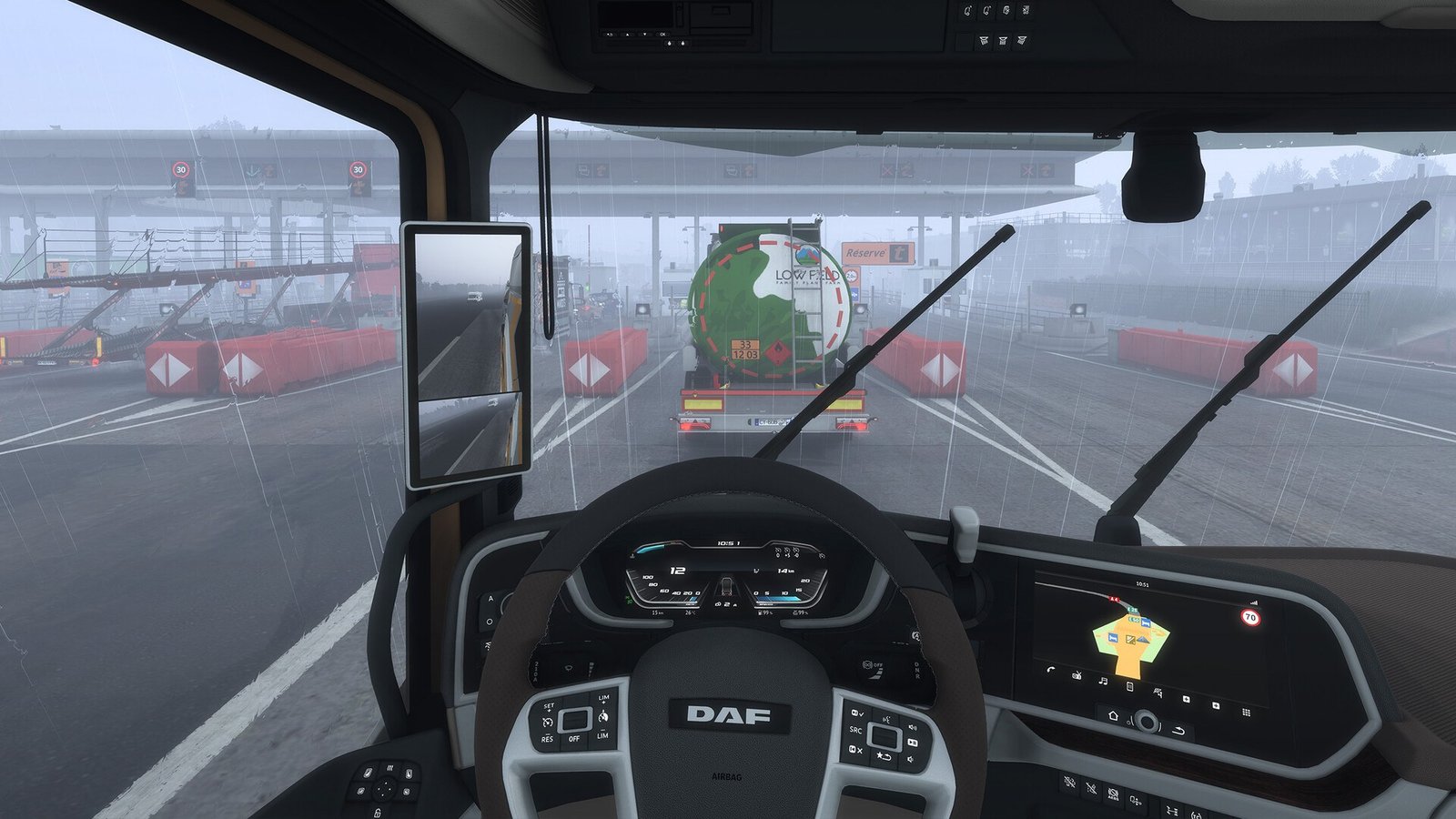
Vehicles are among the best-known subjects in simulation games. But driving a truck, participating in a race, and testing vehicle deformation call for different systems.
Euro Truck Simulator 2: the journey as the main experience
Released on October 18, 2012, Euro Truck Simulator 2, developed and published by SCS Software, places players in the role of a truck driver making deliveries on European roads.
The loop connects contracts, cargo transport, and deliveries to expanding a transportation company. On the road, managing speed, steering, and traffic are part of the job; rewards finance trucks and operations. The journey and management matter in their own right, not just the destination.
American Truck Simulator, released by SCS Software on February 2, 2016, follows a similar approach in a North American setting. It is a separate game, not an expansion for Euro Truck Simulator 2.
ETS2 update 1.61, released September 17, 2026, added proximity-based map discovery and adjustments to vehicles and materials. The remodeled garages announced for 1.62 still belonged to a future update as of October 21; previews and betas of other products are not evidence of a stable release.
BeamNG.drive: experimenting with vehicle physics

Developed by BeamNG GmbH, the game uses soft-body physics, representing vehicle structures through points and connections that respond to applied forces. The official documentation describes this node-and-beam structure, which can deform during a simulation.
Collisions, damage, suspension, and forces affect vehicle behavior. Exploring scenarios, customizing settings, and comparing tests can be the primary goals, without needing deliveries or competitions.
BeamNG.drive had public development builds before entering Steam Early Access in 2015 and continued evolving through updates. Its arrival on Steam should not be confused with a full 1.0 release.
Version 0.40, released October 19, 2026, added local split-screen multiplayer, physical vehicle occupants, and simulation improvements. Version 0.40.1, released October 20, delivered follow-up fixes. Local split-screen does not mean official online servers are available in every mode.
BeamNG.drive also launched on PS5 on October 19, 2026. Its PlayStation listing still identifies it as Early Access, not a finished 1.0 release. Mods and VR were not supported at the console launch, according to the official announcement; its features are not completely equivalent to those of the PC version. A detailed physical model does not guarantee a perfect match with real-world tests either.
Assetto Corsa and iRacing: racing simulation
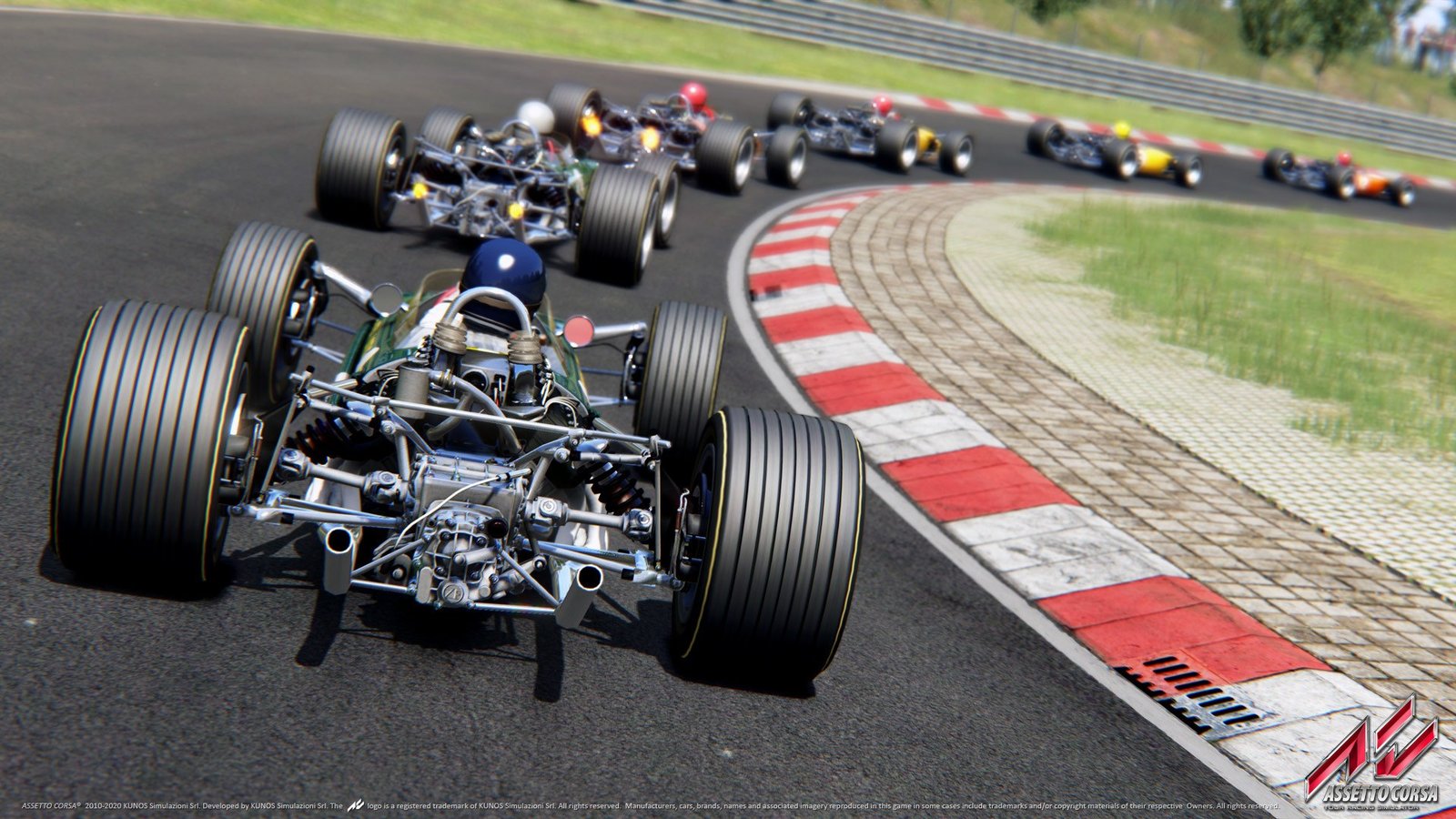
The original Assetto Corsa, from Kunos Simulazioni, received its full PC release in 2014 after an Early Access period. It developed an experience focused on driving, vehicles, and tracks, with attention to how cars behave. This milestone does not refer to later games in the franchise.
iRacing, available for PC since 2008, combines motorsport simulation with organized online competitions. The service is subscription-based, with content-access conditions that differ from Assetto Corsa‘s commercial structure.
Seeking the fastest lap, managing tires, and battling for position differ from the transportation routine in ETS2. In racing games, simulation prioritizes particular driving systems, while arcade-oriented approaches stylize physics and controls. These are design priorities, not a quality ranking; realistic graphics alone cannot decide classification.
Farming Simulator and the representation of agriculture
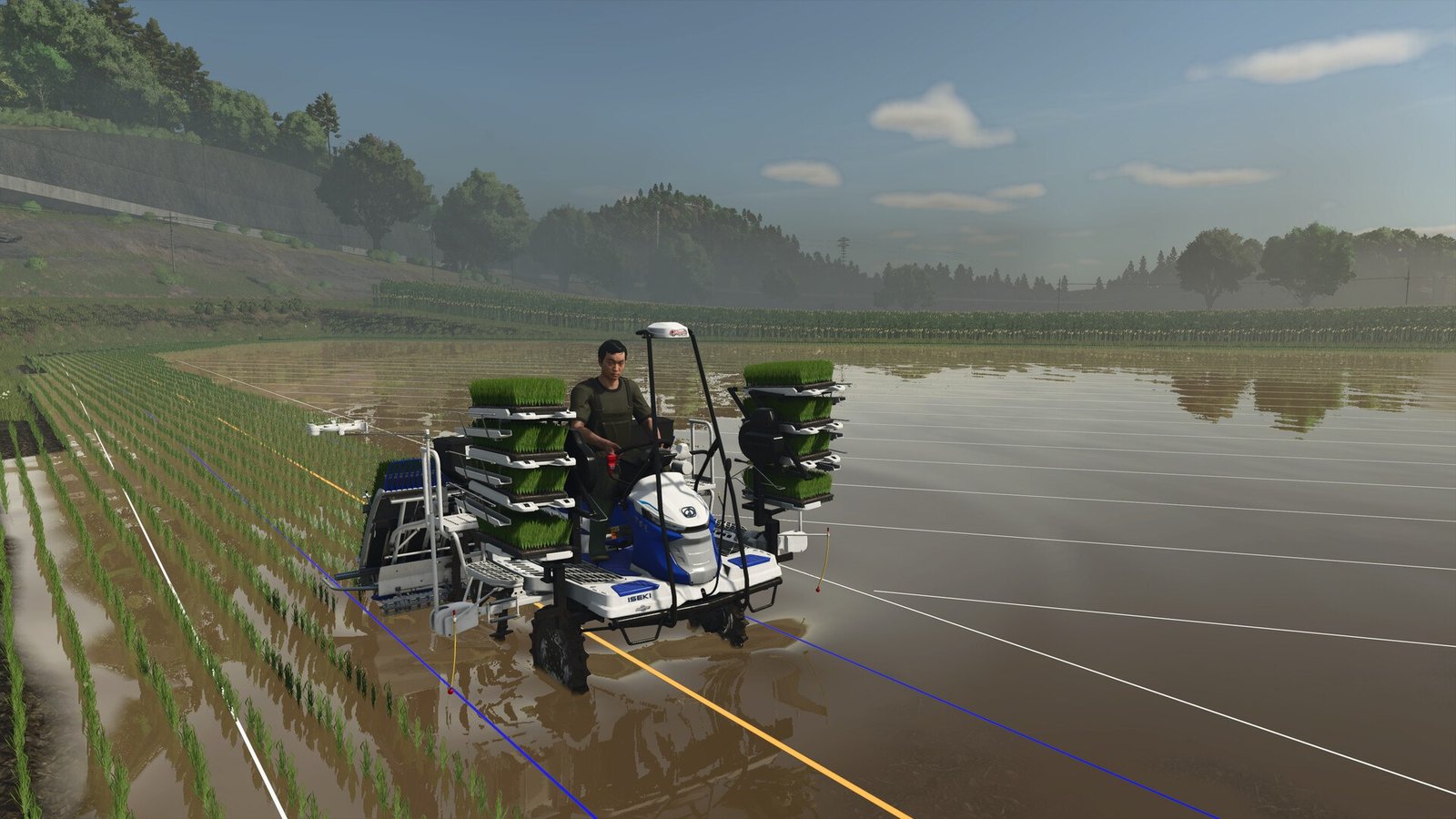
The GIANTS Software franchise combines operating machinery with managing a property. Preparing soil, planting, tending crops, harvesting, transporting, and selling connect tasks to decisions about reinvestment. Livestock farming, forestry, and production chains add activities beyond crop cultivation.
The stages depend on each other: harvesting requires preparing equipment and arranging where the produce will go. Buying a machine may simplify an operation but uses resources that could fund other farm needs. The decision depends on the work to be done, suitable implements, and available time and money.
Operating equipment and planning the property are therefore parts of the same experience; expanding production also requires the ability to carry out and sustain subsequent tasks.
Farming Simulator 25 and the evolution of agricultural systems
Released on November 12, 2024, Farming Simulator 25, developed and published by GIANTS Software for PC, Mac, PS5, and Xbox Series X|S, expanded the franchise with new settings, crops, machinery, and production systems.
The crops include rice and its specific operations; production, transportation, and processing help organize the farm. Patch 1.25.0.0, released October 20, 2026, added helpers for horse- and alpaca-related tasks and adjustments to agricultural activities. These are post-launch improvements, not full automation of farming and animal husbandry.
The combination of equipment and management adapts procedures to gameplay rather than fully replicating agronomy, costs, or the technical requirements of rural work.
Simulating professions, services, and other activities
In Car Mechanic Simulator, identifying a vehicle’s problem and working on its components organizes the stages of repair. The appeal lies in relating diagnosis to the required service rather than merely driving the car.
PC Building Simulator applies that logic to selecting, assembling, and testing computer components. The assembly needs to produce a functioning system according to the game’s objectives and rules.
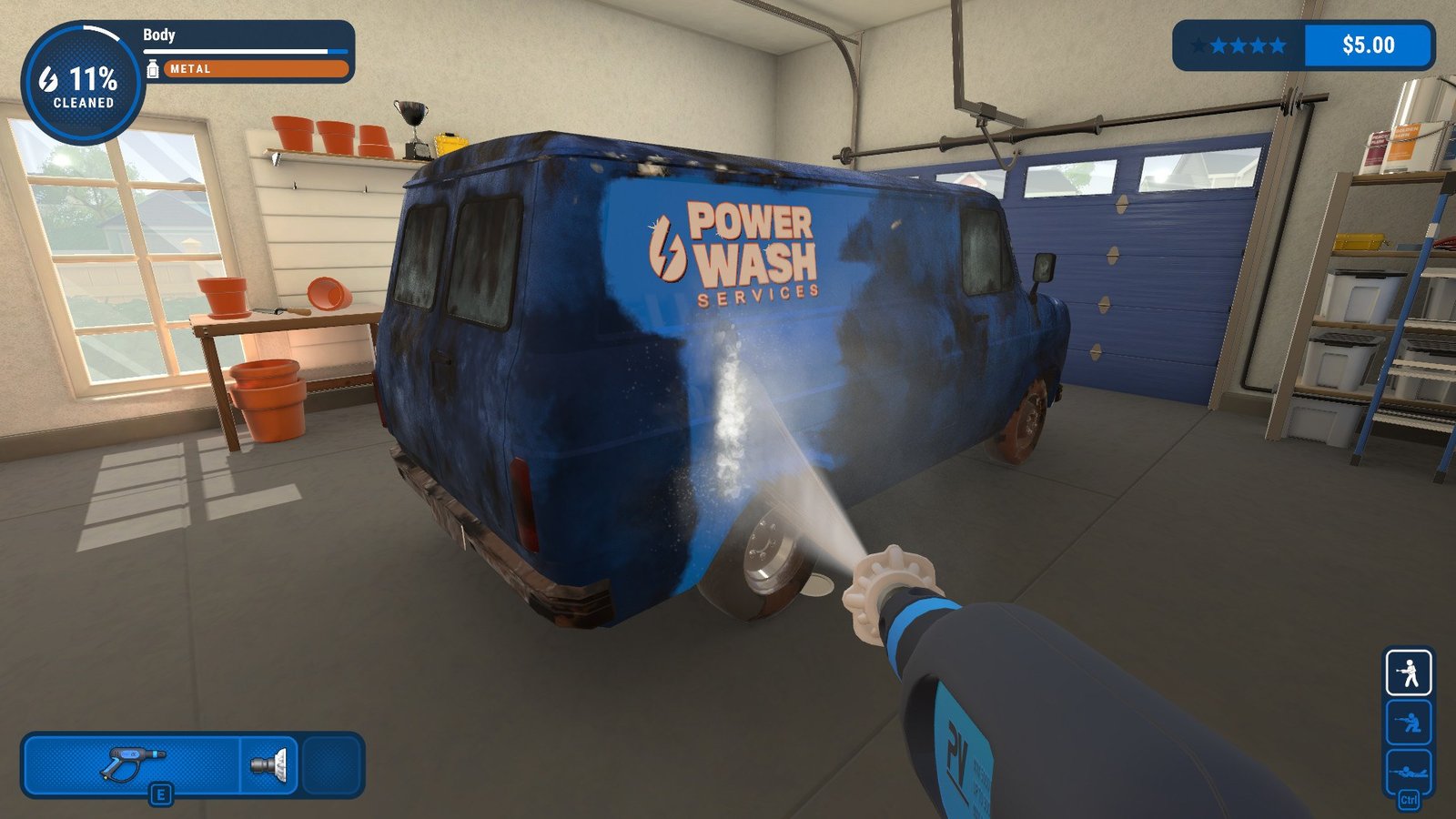
In PowerWash Simulator, the task is different: using cleaning tools to remove dirt from surfaces, objects, and environments. The transformation is visible during the work, and progressively completing a task can be the main reward without the mechanical diagnosis found in the previous example.
House Flipper combines renovation, organization, and interior decoration: changing a space and choosing how it looks form part of the result. Cooking Simulator instead focuses on following recipes and preparing food in a virtual kitchen. One emphasizes transforming a space; the other, executing and coordinating culinary tasks.
These experiences select aspects of each activity and adapt them into rules, tools, and rewards. Completing a virtual service does not constitute professional training.
PowerWash Simulator 2, developed and published by FuturLab on October 23, 2025, expands cleaning with new environments, tools, and co-op, including split-screen play. It is an already released sequel, not a free update to the first game pictured in this section.
Trains, vessels, and space exploration
Train Sim World and Derail Valley represent different aspects of railway operations.
Games such as UBOAT use systems associated with submarine operation within experiences that also include other mechanics.
Construction Simulator presents construction machinery and related activities.
Kerbal Space Program, developed by Squad, combines spacecraft assembly, mission planning, and physics systems adapted to its design. After development builds and Early Access, version 1.0 was released on April 27, 2015, as recorded in its Steam launch announcement. That timeline refers to the first game, not Kerbal Space Program 2.
How do simulation systems and progression work?
There is no universal gameplay loop shared by all simulation games. The structure depends on the activity being represented.
| Simulation type | Illustrative loop | Example |
|---|---|---|
| Flight | Plan route → Prepare aircraft → Fly → Land | Microsoft Flight Simulator |
| Transportation | Choose delivery → Drive → Complete job → Expand operations | Euro Truck Simulator 2 |
| Agriculture | Prepare → Grow → Harvest → Sell | Farming Simulator |
| Life | Create characters → Manage needs → Interact → Set new goals | The Sims |
| Vehicle physics | Choose vehicle → Create situation → Test → Observe results | BeamNG.drive |
These loops are examples, not obligations. Contracts and careers can structure progression, while free-play modes allow exploration, construction, or repeated testing without predetermined goals. Each game’s tools and rules define the possibilities.
Physics, controls, and interfaces: the technology behind the experience
Computer models can represent motion, collisions, suspension, grip, aerodynamics, atmospheric conditions, social behavior, or economics. Interfaces translate these relationships into instruments, menus, and information players can interpret and control.
A keyboard and mouse or a conventional gamepad are enough to get started in many games. Steering wheels, pedals, flight yokes, and joysticks provide other ways to interact, but specialized equipment is not universally required. Compatibility depends on the game, platform, and accessory.
Virtual reality (VR) and motion tracking can alter spatial perception without defining the genre. A standard monitor can also deliver complex simulation; support for VR and peripherals must be checked for the specific edition being used.
Tutorials, indicators, assisted controls, and difficulty settings support gradual learning. Using assistance does not automatically make a game cease to be a simulator: it may emphasize discovery, technical operation, or simply enjoying the virtual activity.
Are Simulators, Sandbox, City Builder, and strategy games the same thing?
No. These labels can overlap, but they describe different characteristics.
| Category | Main characteristic | Example |
|---|---|---|
| Simulation | Interactive representation of activities or systems | Microsoft Flight Simulator |
| Sandbox | Freedom to experiment and set goals | BeamNG.drive in free-play mode |
| City Builder | Building and managing cities | SimCity |
| Management | Organizing resources, services, and operations | Football Manager |
| Strategy | Planning and making decisions to achieve objectives | StarCraft |
| Arcade racing | Driving rules focused on the racing experience, without comparable emphasis on physical fidelity | Mario Kart |
Simulation and Sandbox
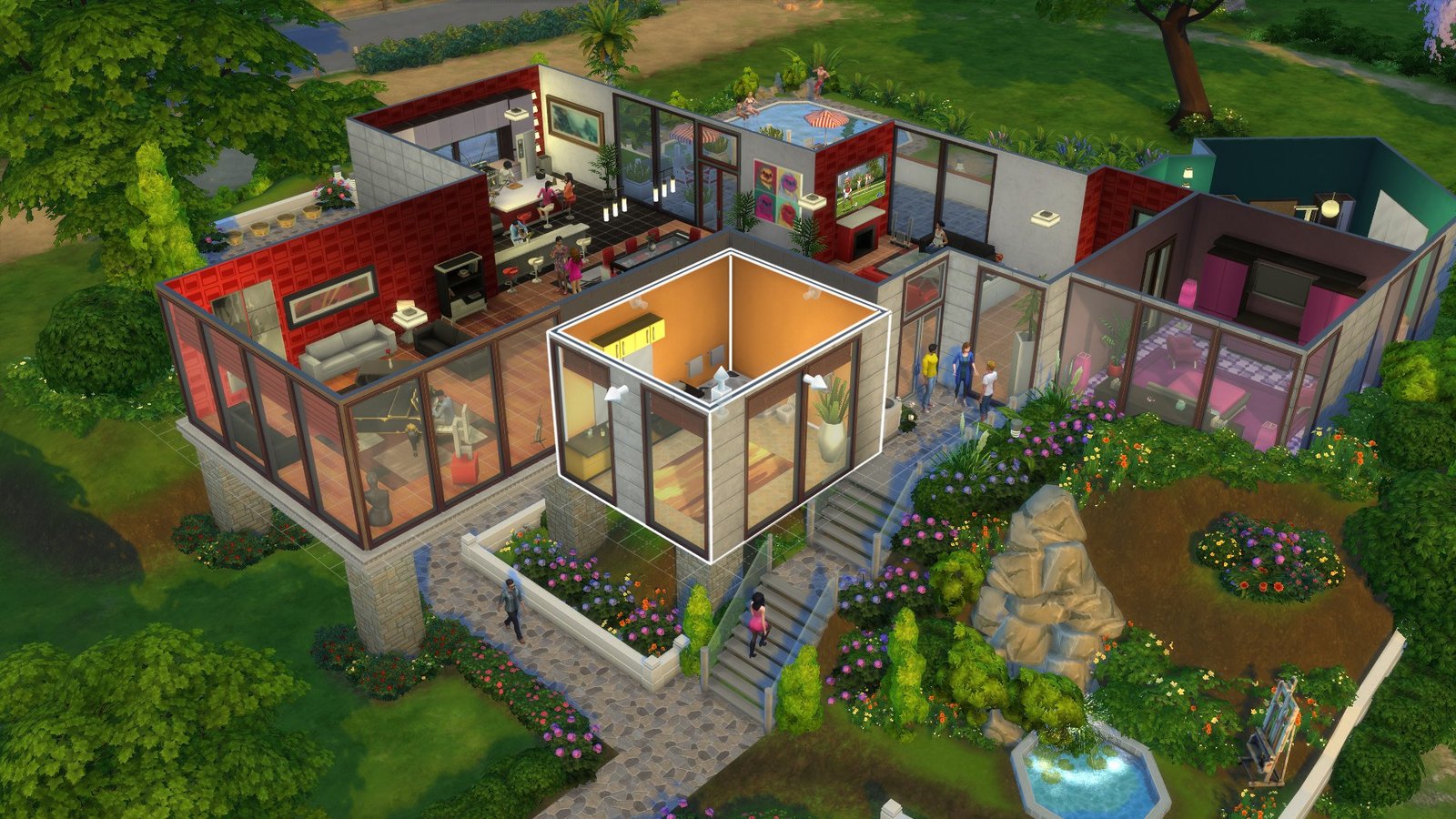
Sandbox emphasizes freedom to experiment and define goals; simulation emphasizes representing systems. The Sims and BeamNG may combine both. Other simulators follow constrained missions or scenarios, and a Sandbox game does not have to represent real-world activities.
Management prioritizes organizing resources and operations and may overlap with simulation. SimCity represents urban systems within the distinct City Builder tradition; that does not make every simulator a city game or guarantee urban realism in every City Builder.
In strategy games, the focus is on planning actions to achieve goals. StarCraft is an RTS, but that does not make it a technical war simulator. These labels help us understand design priorities, while individual games can combine characteristics.
Mods, multiplayer, and the evolution of simulators
Player-made modifications (mods) can add vehicles, aircraft, scenery, maps, equipment, and interfaces. The Farming Simulator community, for instance, shares content through the official ModHub; other games have their own systems.
Support varies by version and platform, as illustrated by the lack of mods at the launch of BeamNG on PS5. Not every mod is official, compatible, or permitted for redistribution. Origin, terms of use, and permissions should be checked.
Multiplayer varies too: cooperative farming, shared flight environments, online competition, and local split-screen are different designs. Some simulators are single-player experiences; group play is not a genre requirement.
Games that shaped the history of simulation
This selection covers milestones across different approaches; it is not a ranking of the best simulators.
| Game or franchise | Year | Historical significance |
|---|---|---|
| Flight Simulator, by subLOGIC | Late 1970s / early 1980s | Early popularization of flight simulation on personal computers |
| Microsoft Flight Simulator | 1982 | Establishment of the IBM PC flight simulator series |
| SimCity | 1989 | Urban simulation and city management |
| SimCity 2000 | 1993 | Expansion of urban and construction systems |
| The Sims | 2000 | Popularization of everyday life simulation |
| The Sims 2 | 2004 | More complex character life paths and relationships |
| Microsoft Flight Simulator X | 2006 | Development of the flight simulation franchise |
| Euro Truck Simulator | 2008 | Road transport and truck driving |
| Euro Truck Simulator 2 | 2012 | Expansion of transportation and company management |
| The Sims 4 | 2014 | New generation of social systems and character creation |
| Kerbal Space Program | 2015, version 1.0 | Rocket building and space exploration based on physical systems |
| BeamNG.drive | 2015, Steam Early Access | Deformable-vehicle physics and experimentation |
| American Truck Simulator | 2016 | Road transportation in North American settings |
| Microsoft Flight Simulator | 2020 | Large-scale use of modern technologies and geographical data |
| Farming Simulator 25 | 2024 — November 12 | Expansion of farming activities and production systems |
| Microsoft Flight Simulator 2024 | 2024 — November 19 | Advances in flight simulation and career activities |
| PowerWash Simulator 2 | October 23, 2025 | Cleaning-simulation sequel with co-op and split-screen |
| BeamNG.drive on PS5 | October 19, 2026, Early Access | Console debut, distinct from a finished 1.0 release |
The selection spans technical simulation, life, transportation, physics, and management games.
Some experiences underwent lengthy development periods, and Early Access dates should not be confused with full releases.
Why do simulation games appeal to such different audiences?
Mastering an operation, completing a service, managing resources, and experimenting freely offer different kinds of satisfaction. Choosing a game depends on the activity desired and how it balances technical fidelity, creativity, execution, and planning.
Complex controls, dense interfaces, time-consuming tasks, and repetition may require patience. Hardware requirements, online functions, and paid content also vary by product. It is worth understanding those conditions and the game’s pace instead of assuming there is one ideal experience for everyone.
Simulation means experimenting with how a system works
The history of simulation remains open to new activities and different ways to play. When a model makes its relationships understandable, learning to use it can turn an everyday operation into an experience of discovery. The connection between decisions and consequences sustains the genre’s diversity.
About the Author