Resident Evil 2 Remake (2019): Leon explora um corredor da RPD. Imagem: Capcom.
Survival horror is a branch of horror games in which surviving threats, coping with vulnerability, and making decisions under pressure are essential parts of the experience. Imagine walking down a corridor in an unfamiliar mansion. You have a weapon, but only a few bullets left. A door stands at the far end, and an enemy blocks the way.
You could try to eliminate it, but that might use up supplies needed against a worse threat later. Alternatively, you could evade it, run, or find another route. You still have no idea what waits in the next room. This combination of danger, uncertainty, and limited resources is one of survival horror’s most recognizable foundations. In Resident Evil, inventory management and exploration frequently sustain that tension.
Silent Hill uses disturbing environments, sound, and psychological storytelling to create a different sense of danger. In Amnesia, the inability to confront certain threats directly encourages running and hiding. Alien: Isolation builds its experience around an exceptionally dangerous creature, forcing players to study their surroundings and move carefully.
All of these games engage with fear, but not in the same way. The genre grew from experiments predating major 3D games, developed a recognizable commercial identity with Resident Evil, and continued evolving through new camera perspectives, combat systems, and storytelling techniques.
In this feature, we trace that history and explore why survival horror can create tension even when there is no enemy on screen. Updated October 20, 2026.
Nesta matéria
What defines a survival horror game?
Survival horror combines frightening situations with threats that players must face while remaining vulnerable in some way. Scarce resources, dangerous enemies, limited escape options, unfamiliar locations, or incomplete information can all create that vulnerability.
Fear does not depend solely on how monsters look. A frightening creature may feel less threatening if the character can eliminate it effortlessly. Conversely, an ordinary-looking enemy becomes a serious danger when the player is wounded, under-equipped, and unsure where to find safety.
Does every survival horror game need weapons and limited ammunition?
No. Resident Evil makes combat and resource management significant parts of the experience. Other games, such as Amnesia: The Dark Descent, greatly restrict direct confrontation. Observing enemies, finding hiding places, and identifying escape routes can matter more than attacking.
Exploration, puzzles, and ways to replenish supplies also vary. There is no fixed checklist of mechanics every survival horror game must include. The defining feature is the relationship between danger, vulnerability, and decisions within an experience designed around horror.
How is survival horror different from a regular horror game?
Horror games cover a much broader category. An experience can frighten players through chases, supernatural events, disturbing stories, or jump scares without relying on traditional survival horror systems. Survival horror usually requires managing exposure to danger, defensive options, or other necessities for staying alive. These labels can overlap.
A game can simultaneously be survival horror, psychological horror, and adventure. The important thing is to recognize the characteristics that actually define its design.
Where did survival horror come from?
Fear appeared in video games long before the term survival horror gained widespread recognition. During the 1980s, developers experimented with threatening creatures, unknown environments, and pursuit. Those early games did not necessarily feature every modern convention, but helped establish the language of interactive horror.
Haunted House and 3D Monster Maze
Atari’s Haunted House, released for the Atari 2600 in 1982, involved exploring haunted rooms, collecting objects, and avoiding threats. Players searched for items and navigated dangerous surroundings.
Malcolm Evans’s 3D Monster Maze for the Sinclair ZX81 placed players in a first-person maze hunted by a Tyrannosaurus. Its date deserves care: the Centre for Computing History catalogs J. K. Greye’s edition in 1981, while other chronologies give 1982, associated with commercial circulation and later editions. Describing the period as 1981–1982 is more accurate than treating 1982 as universally agreed.
Exploring and anticipating an encounter with the dinosaur created tension. These games are important precursors, but should not automatically be equated with the fully developed survival horror formula that emerged later.
Sweet Home and Project Firestart
In 1989, Capcom released Sweet Home for the Famicom, based on the Japanese film of the same name. It combined role-playing elements, mansion exploration, characters with different abilities, and horror situations. Inventory choices, threats, and exploration influenced later games.
Sweet Home matters especially because its ideas helped inform Resident Evil. In a development interview, Shinji Mikami explained that Tokuro Fujiwara asked him in 1993 to create a new horror game drawing on Sweet Home‘s systems. This is a documented influence, not evidence that the two games are identical.
Another 1989 title, Project Firestart, was developed by Dynamix and published by Electronic Arts for the Commodore 64. Set aboard the research ship Prometheus, it blended exploration, suspense, combat, and science-fiction storytelling. Its original manual calls the setting a ship rather than a space station. Its historical importance lies in showing that recognizable combinations of horror and survival predated the genre’s popularity on 32-bit consoles.
Alone in the Dark: a foundation of the modern format

Released in 1992, Alone in the Dark was a major milestone. Created by Frédérick Raynal and his team at Infogrames, it placed the protagonist inside a mansion filled with supernatural incidents.
The game combined polygonal 3D characters with static 2D backgrounds shown through fixed camera angles. In Raynal’s development account, the team abandoned photographic backgrounds in favor of hand-drawn bitmap images. This is more accurate than describing the visuals as equivalent to the later pre-rendered backgrounds of Resident Evil.
Players explored rooms, found items, solved puzzles, and dealt with threatening creatures. Fighting was possible but not always the simplest solution: understanding the environment and using objects correctly was often essential.
Alone in the Dark helped establish the combination of exploration, suspense, cinematic framing, and vulnerability that influenced later games. It did not single-handedly invent survival horror. The 1992 original takes place in Derceto mansion and must not be confused with the 2024 reinterpretation developed by Pieces Interactive; their production teams and visual styles are different.
Resident Evil and the genre’s consolidation
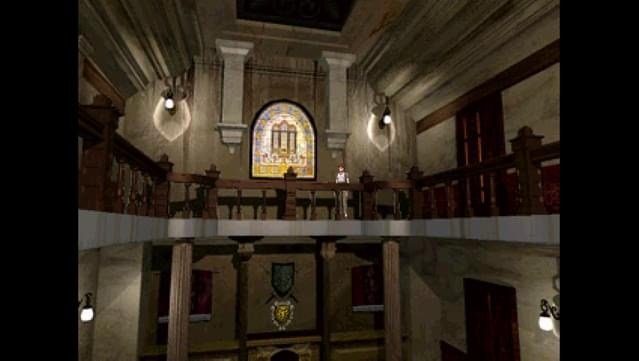
In 1996, Capcom released Resident Evil for PlayStation, known in Japan as Biohazard. Directed by Shinji Mikami, it played a decisive role in establishing and popularizing the expression survival horror. Capcom used the label in Japanese marketing and in the message welcoming players back to the world of survival horror when they resumed a game. As researcher Bernard Perron explains in the Encyclopedia of Ludic Terms, the name gradually came to describe a broader tradition.
That does not mean Resident Evil invented all its mechanics. Players follow Chris Redfield or Jill Valentine through events in the Raccoon City area, arriving at Spencer Mansion, where dangerous creatures and biological experiments are part of the mystery. The game organized earlier ideas into a formula that achieved major commercial recognition.
The mansion as part of the challenge
Spencer Mansion was more than scenery. Its rooms and corridors formed an interconnected space filled with locked doors, keys, important items, and routes to discover. Players often returned to earlier locations after obtaining a particular object. This required learning the layout and remembering unexplored areas.
Camera framing shaped the way spaces were perceived. Entering a room might reveal the protagonist from a specific angle while leaving part of the surroundings out of view. This cinematic presentation could withhold information and heighten tension.
Limited resources and difficult choices
Resource management was a defining feature. Ammunition, healing items, and inventory slots had to be allocated carefully. Eliminating an enemy on a route you will revisit may make later travel easier, but uses supplies that could be needed elsewhere. The map and the frequency of backtracking become part of the risk calculation.
This relationship between supplies and consequences sets the experience apart from games in which players can fight every enemy with little restriction.
Puzzles, inventory, and saving
Resident Evil also used objects to unlock passages and solve puzzles. Finding a key did not always mean using it immediately: players had to identify its purpose and remember blocked paths.
Limited inventory space encouraged careful loadouts, while storage boxes helped organize supplies. The original game also required Ink Ribbons to save progress at typewriters, adding another decision about when to record a session. None of these systems worked in isolation; together with exploration and threats, they created suspense.
Resident Evil 2 and Resident Evil 3
Resident Evil 2 (1998) expanded the experience across areas of Raccoon City, including its police department. It developed character stories, exploration, and encounters across larger and more varied environments.
Resident Evil 3: Nemesis (1999) became especially known for its relentless Nemesis encounters and pursuits. Both sequels explored distinct ideas while retaining the genre’s underlying survival systems. Resident Evil was neither the first horror game nor the inventor of all these mechanics; its role was to consolidate a highly influential identity.
Silent Hill and the evolution of psychological horror
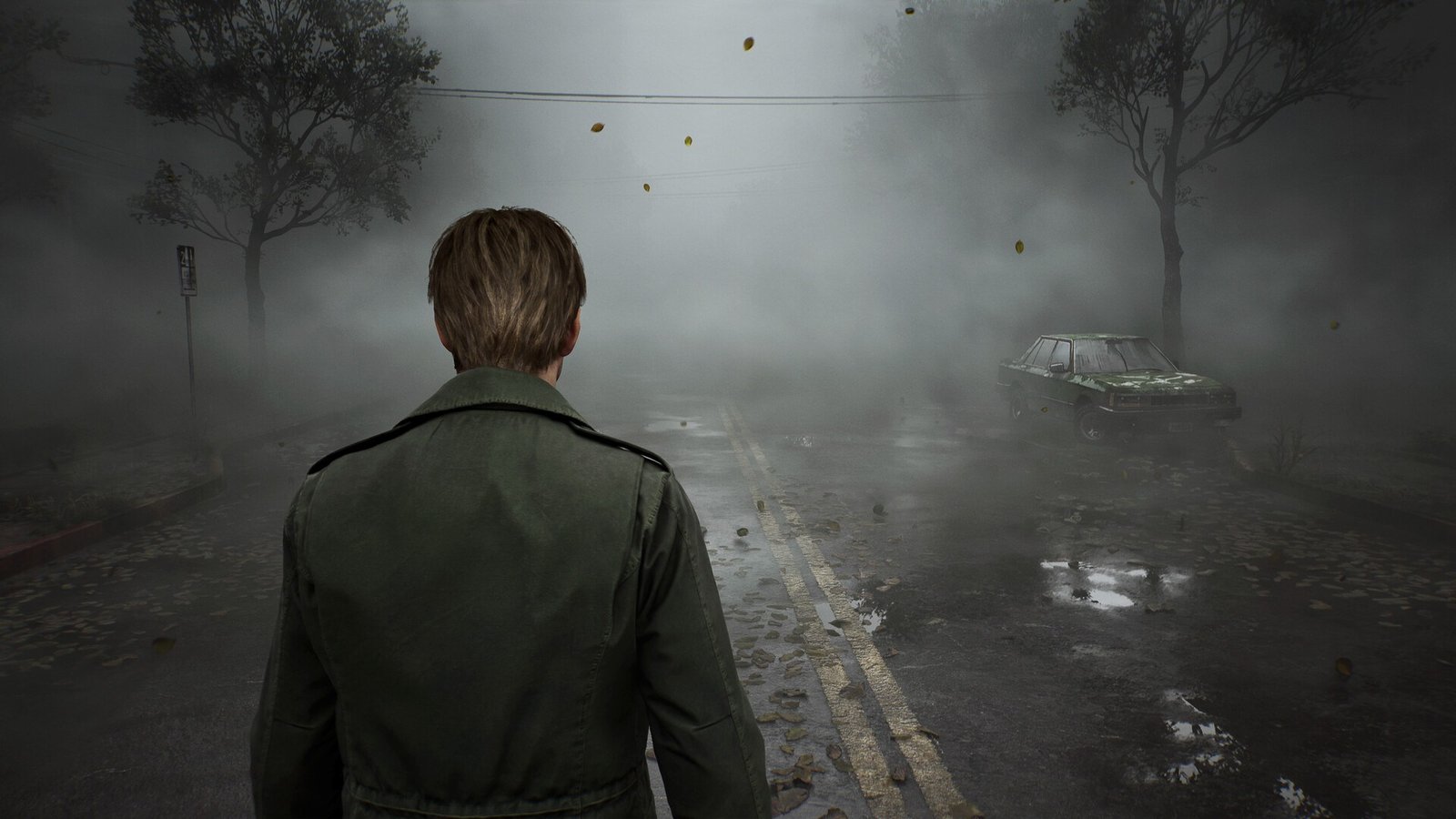
Konami’s first Silent Hill arrived on PlayStation in 1999, following Harry Mason as he searched for his daughter. Its town was marked by disturbing events, threatening creatures, and isolation. Although it shared certain features with Resident Evil, it developed a markedly different approach to fear.
Rather than relying primarily on biological threats and facility exploration, the series placed greater emphasis on psychological horror, symbolism, and narrative uncertainty.
Fog and fear of the unknown
Fog is among Silent Hill‘s most recognizable devices. It reduces visibility and makes distant threats difficult to identify, while reinforcing the atmosphere. Players might hear a creature approaching before being able to see it.
Music and environmental sounds contribute to this unease. In certain games, a portable radio produces static near creatures. Sound becomes more than background accompaniment: it actively shapes the player’s perception of danger.
Silent Hill 2 and the meaning of horror
Released in 2001, Silent Hill 2 follows James Sunderland through a story exploring emotional and psychological themes. Without revealing its major twists, environments, creatures, and events can be understood as part of the story’s thematic construction.
Horror is not only about the possibility of dying; it also comes from trying to understand what is happening. Certain spaces and encounters provoke discomfort before posing a direct threat. Silent Hill 2 showed how psychological conflicts could enrich survival horror without discarding combat, exploration, and puzzles.
Is Silent Hill survival horror or psychological horror?
Both descriptions apply. Survival horror describes a gameplay tradition built around threats, vulnerability, and exploration. Psychological horror primarily describes a narrative and emotional approach involving perception, uncertainty, and internal conflicts. Silent Hill combines them; there is no need to choose only one.
Silent Hill f and Townfall: new approaches to horror
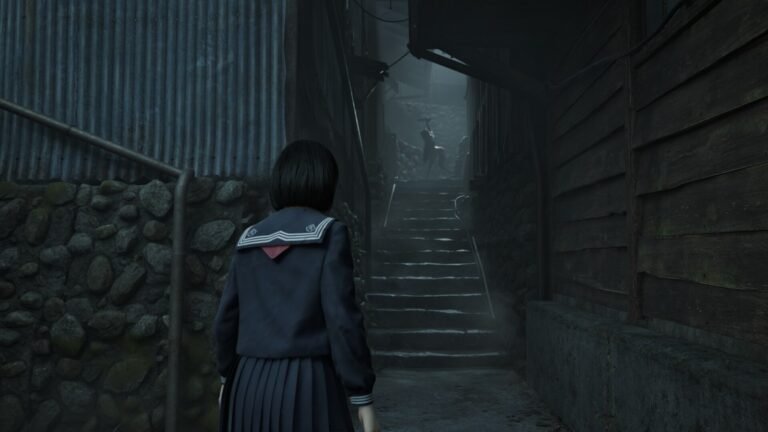
Silent Hill f launched on September 25, 2025. Developed by NeoBards Entertainment, published by Konami, and written by Ryukishi07, it follows Shimizu Hinako in Ebisugaoka, Japan, during the 1960s. Fog, creatures, environmental transformations, and difficult decisions combine psychological and body horror with exploration, puzzles, and combat. It is a new story, not a remake or direct sequel to Silent Hill 2; its systems should not be generalized to the entire franchise.
Silent Hill: Townfall launched on September 24, 2026 for PS5 and PC through Steam and the Epic Games Store. Developed by Screen Burn Interactive and co-published by Konami and Annapurna Interactive, it follows Simon Ordell on St. Amelia, an island in Scotland. It is a complete standalone game, not an expansion for Silent Hill f or the Silent Hill 2 remake.
Konami describes it as the first full game in the series presented entirely in first person. That qualifier matters: the series had used that perspective in specific sequences or other experiences before. Its official presentation describes exploration, evasion, limited weapons and tools, and narrative puzzles. A small television called the CRTV tunes into unstable signals and helps the investigation. The viewpoint changes how players experience spaces and threats without establishing a universally scarier camera.
What really creates tension in survival horror?
Fear in games comes from many sources: a creature’s appearance, an unknown corridor beyond a door, or a shortage of supplies that makes an otherwise manageable encounter dangerous. Survival horror often combines these factors to sustain tension.
Vulnerability: when fighting everything isn’t possible
Vulnerability does not necessarily mean being unarmed. A character can carry a weapon and still be outmatched by stronger or more numerous foes. Space matters too: a gun offers little reassurance without room to aim, an accessible exit, or reliable information about what is approaching.
Vulnerability emerges from these relationships, not simply from the size of an arsenal. In an action game, finding an enemy may invite combat. In survival horror, the question may instead be: is this encounter worth the risk?
Exploration, maps, and puzzles
Exploration itself can generate tension. A locked door blocks progress while hinting at something valuable beyond it. A document found in one room might reveal past events or help solve a puzzle. Players assemble clues while remaining exposed to threats.
Classic Resident Evil games frequently required backtracking after finding keys or tools. Alone in the Dark and Silent Hill also integrated exploration and puzzles, each in its own way. Not every survival horror game needs intricate interconnected maps: some are more linear and emphasize pursuits or narrative events.
Fight, flee, or hide
Survival horror offers different responses to danger. Some games allow direct combat but restrict resources. Others offer little fighting ability and require players to run, create distractions, or find cover.
Having no weapons may increase vulnerability, but does not automatically make a game scarier. Enemy behavior, environment, and how information is presented are equally important.
Sound, lighting, and anticipation
Much of horror happens before a threat appears. Footsteps overhead suggest movement. A closed door hides the next corridor. Sudden silence after a series of noises can be unsettling. Lighting determines what is visible, and the camera controls what can be observed.
Jump scares provoke immediate reactions, but sustained tension relies on something else: the expectation that danger might emerge. An empty hallway can therefore be as important as a room full of enemies.
Resident Evil 4 and the shift toward action horror

In 2005, Resident Evil 4 marked a major shift for the franchise. Its over-the-shoulder camera brought the player closer to Leon S. Kennedy’s movements and changed how aiming and combat worked. Confrontations more frequently involved groups of enemies and intense pressure, while the overall pacing became more action-oriented.
The game offered additional combat opportunities and its own equipment and resource systems. That did not eliminate horror: hostile locations, dangerous enemies, supply management, and vulnerable situations remained part of the experience.
Are survival horror and action horror opposites?
Not necessarily. As a useful descriptive term rather than a rigid universal taxonomy, action horror generally refers to horror games that emphasize combat and action. Resident Evil 4 is often associated with this balance, but genre boundaries are not absolute.
Its significance also lies in showing how camera placement and combat systems can fundamentally change a game. Its approach to aiming and confrontations influenced many later third-person action titles.
Amnesia, Outlast, and Alien: Isolation: when escaping becomes essential
During the 2010s, several horror games became prominent for limiting the player’s ability to fight particular threats. Instead of providing extensive arsenals, they often emphasized observation, escape, and hiding.
Amnesia: The Dark Descent

Developed by Frictional Games and released in 2010, Amnesia: The Dark Descent is a first-person horror experience built around exploration and vulnerability. Players investigate environments, solve puzzles, and avoid dangerous creatures.
Available resources and limits on direct confrontation shape movement through each area. Rather than turning every encounter into combat, the game often requires recognizing threats and finding ways to avoid them. It helped popularize a style of first-person horror that later productions would explore further.
Outlast and vulnerability during chases
In 2013, Red Barrels released Outlast, following journalist Miles Upshur as he investigates the Mount Massive Asylum psychiatric hospital.
He carries a video camera with night vision to navigate dark spaces, but its batteries are limited. His inability to fight many threats directly makes escape and hiding essential choices. Outlast demonstrates how an apparently simple tool can become a survival resource: players must see to move forward, but cannot use night vision indefinitely.
Alien: Isolation and the persistent threat
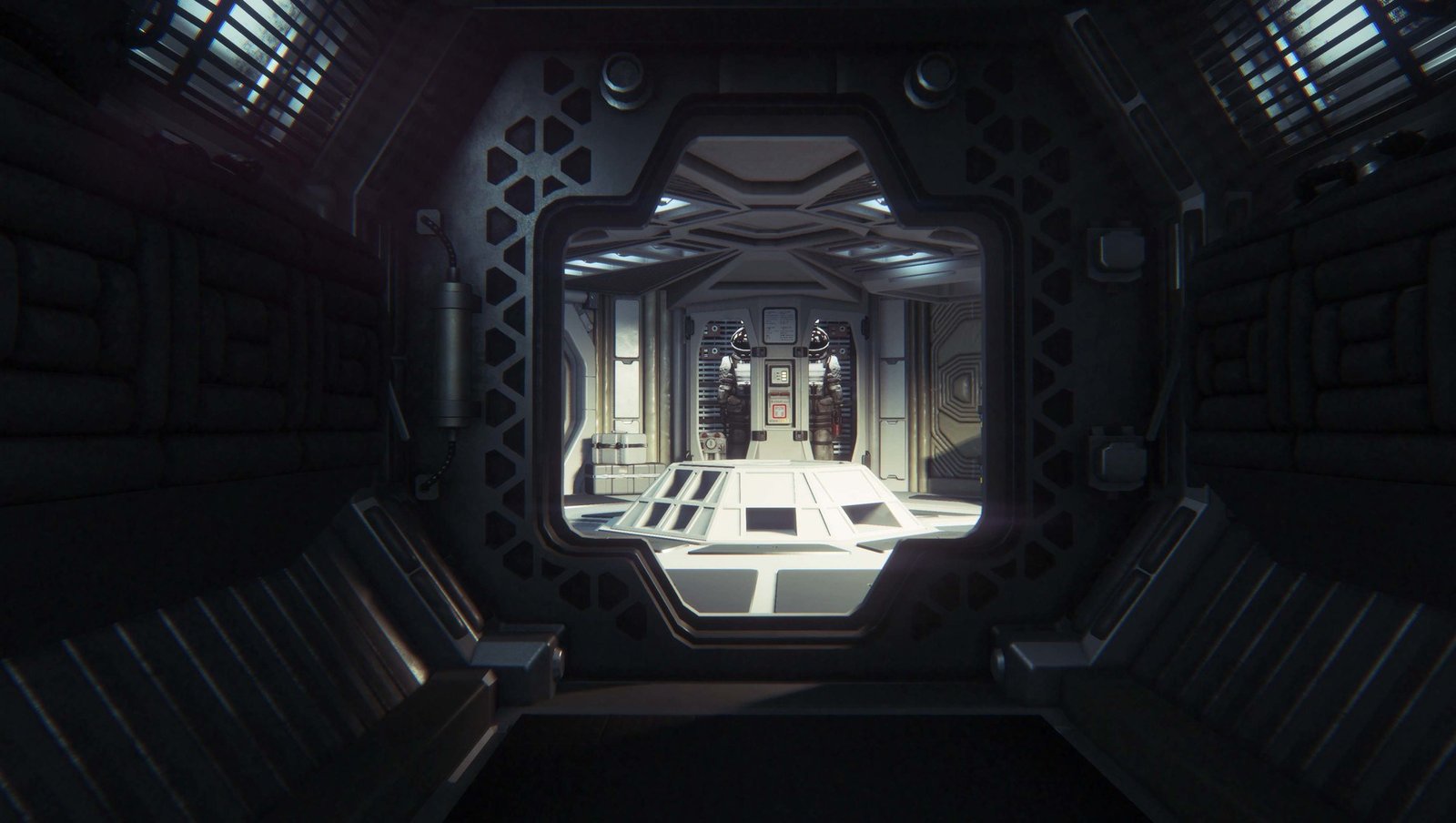
Developed by Creative Assembly, published by SEGA, and released in 2014, Alien: Isolation is set aboard the Sevastopol space station. Protagonist Amanda Ripley confronts several threats, including an exceptionally dangerous xenomorph. Exploration, equipment, resource use, and movement decisions all contribute to its horror.
The creature’s behavior is central to the game. It patrols areas, investigates noise, and responds to players according to perception and navigation systems. Those behaviors follow artificial-intelligence rules; they do not imply independent consciousness or purely random choices. Watching the space and choosing when to move becomes vital.
Hiding may be necessary, but staying in one place can also be risky. The alien is not simply an ordinary enemy to eliminate during every encounter. Other adversaries, including humans and synthetics, allow different forms of confrontation. Stealth helps control visibility, noise, and movement, but is not synonymous with survival horror. Fear comes from how those actions interact with Sevastopol’s threats.
Alien: Isolation demonstrates how a creature far more powerful than the player can sustain tension throughout an entire experience.
How have cameras and perspectives transformed horror?
Perspective shapes how players observe threats and interpret environments. Early Resident Evil games used fixed cameras to frame rooms deliberately, giving scenes a cinematic composition while hiding parts of the surroundings. Resident Evil 4 brought its camera over the shoulder and made aiming more immediate.
Amnesia, Outlast, and Alien: Isolation used first person to highlight observation and vulnerability. Resident Evil 7 (2017) introduced a numbered main-series campaign originally presented in first person. Each viewpoint creates a different relationship between players, locations, and enemies; none is mandatory for the genre.
Is first person always scarier?
No. First person can narrow awareness of the surroundings and align the player’s vision with the character’s. Third person shows the protagonist and can support different combat and exploration decisions. Fixed cameras can create carefully staged compositions.
These choices matter, but cannot determine fear by themselves: atmosphere, enemy behavior, and situations remain essential. Townfall uses first person throughout, while Requiem lets players switch between first and third person. A first-person viewpoint also does not automatically make something an FPS, whose identity depends on the importance of shooting combat.
The renewal of survival horror in contemporary games
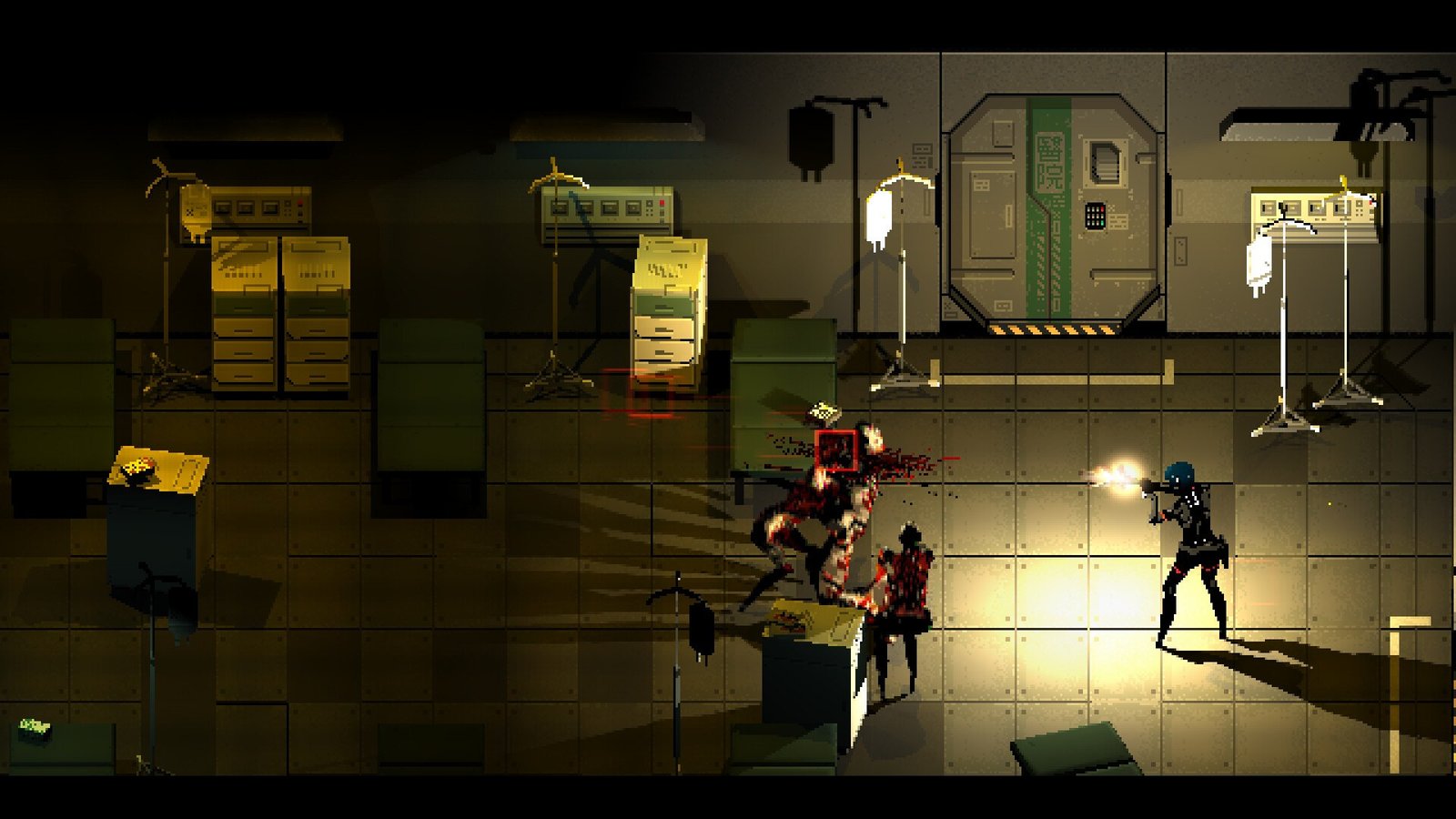
Survival horror did not disappear before its recent releases. Instead, it diversified through remakes, independent titles, and new interpretations of historically familiar systems.
Resident Evil 2 Remake and the modernization of a classic formula
Released in 2019, Resident Evil 2 Remake reimagined the 1998 original with modern graphics, over-the-shoulder camera work, and revamped combat. The police station remained a key location filled with doors, keys, routes, and threats, while resource management remained relevant.
The remake showed that classic survival horror systems could thrive with a modern presentation without requiring the original’s fixed camera angles.
Dead Space Remake and science-fiction horror
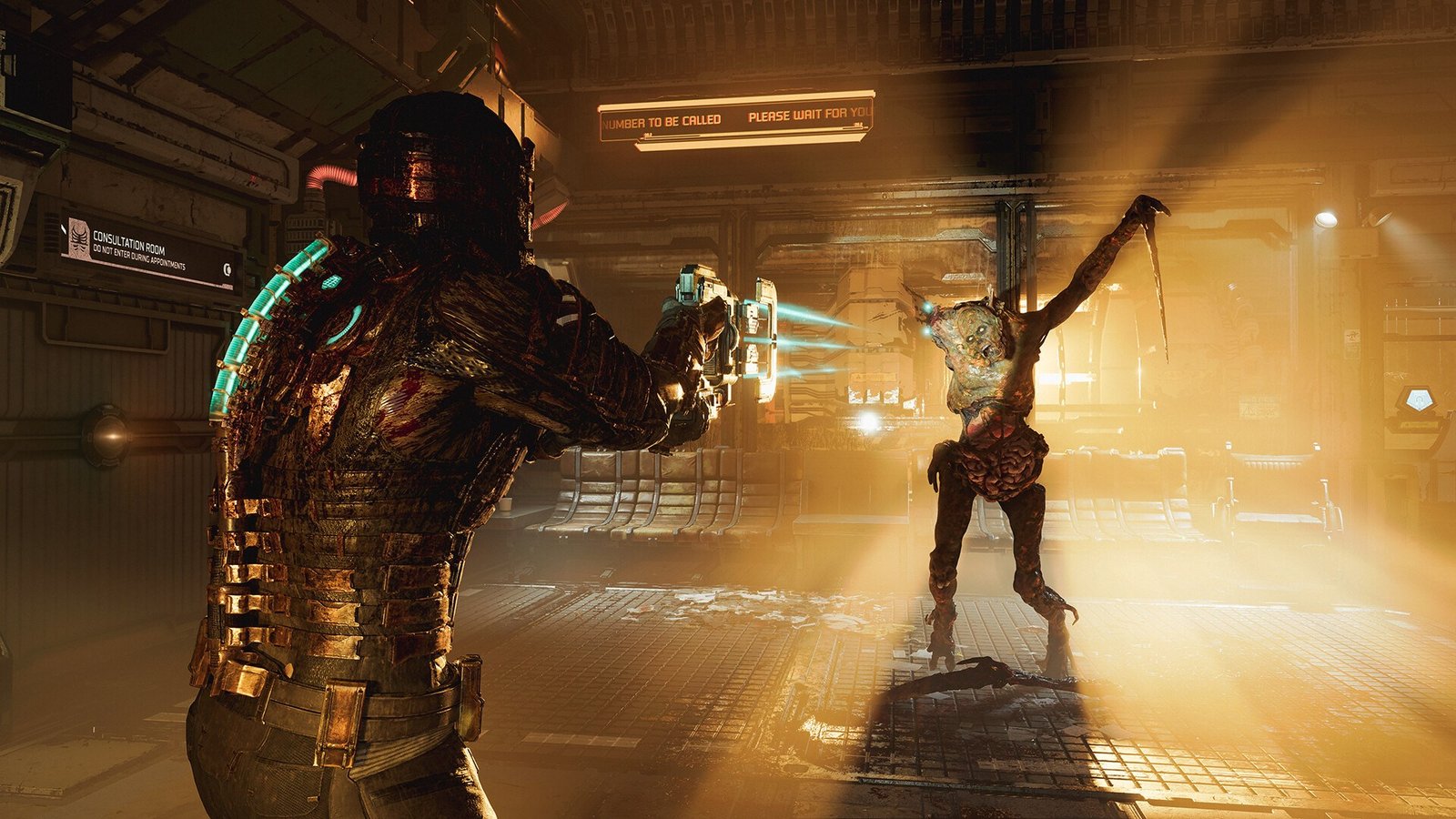
Dead Space, developed by EA Redwood Shores and published by Electronic Arts in 2008, blended science fiction, combat, and horror aboard the USG Ishimura mining ship. Players fought creatures called necromorphs using specialized equipment and combat systems.
In 2023, Electronic Arts’ Motive Studio released a remake with modernized presentation and significant changes to the experience. Setting, lighting, and sound remain integral to its frightening atmosphere. Dead Space represents an approach in which players are capable of considerable combat but continue facing dangerous threats.
Signalis and the influence of the classics
Developed by rose-engine and released in 2022, Signalis returned to traditional survival horror elements: exploration, limited resources, puzzles, and unsettling spaces.
Its distinctive visual identity combines classic game influences with science-fiction storytelling and psychological horror. Signalis demonstrates that updating the genre does not have to mean abandoning older structures.
Alan Wake 2 and narrative-driven horror
Alan Wake 2 arrived in 2023, developed by Remedy Entertainment and published by Epic Games Publishing. Remedy itself described it as the studio’s first survival horror game. It blends exploration, investigation, combat, and psychological horror with a story told through shifting viewpoints and events.
The game underlines the importance of audiovisual presentation and narrative construction in contemporary survival horror. Understanding events can be as important a challenge as surviving them.
Silent Hill 2 Remake
In 2024, Konami released Silent Hill 2 Remake, developed by Bloober Team. It reimagined the 2001 game with modern graphics, an over-the-shoulder camera, and changes to combat and exploration, while maintaining its central story and psychological approach. This was another way to update a classic without replacing its narrative identity.
Cronos and Fatal Frame II: continuation and re-creation
Bloober Team’s Cronos: The New Dawn had its general release on September 5, 2025, after Deluxe Edition early access began September 3. It is an original production, separate from Silent Hill 2 Remake. The Traveler crosses a devastated future and travels through time rifts to 1980s Poland.
The official game presentation describes creatures that can merge. Preventing that process adds a particular form of pressure to combat and sci-fi exploration.
Fatal Frame II: Crimson Butterfly Remake launched on March 12, 2026 for PS5, Nintendo Switch 2, Xbox Series X|S, and PC via Steam. Developed by Team NINJA / Koei Tecmo, it recreates the second game, originally released in 2003. It is neither the first Fatal Frame from 2001 nor a simple remaster: graphics, sound, controls, and systems were rebuilt.
Sisters Mio and Mayu Amakura enter Minakami Village, haunted by spirits. The Camera Obscura is used both in exploration and to repel apparitions through photography. Framing a threat and choosing when to take a picture connect self-defense with exposure to danger. The ability to hold Mayu’s hand is among the new interactions, strengthening the sisters’ relationship. The remake preserves a model of supernatural horror where combat does not rely on firearms.
The costume set inspired by Silent Hill f is collaboration content, not a shared main campaign between the franchises.
Resident Evil Requiem and the genre’s continuity in 2026

Released February 27, 2026, Resident Evil Requiem is the ninth mainline game in the franchise. Capcom confirmed the date in a post-launch statement. The game uses RE ENGINE and intertwines the journeys of two protagonists: FBI analyst Grace Ashcroft, whose sections emphasize survival horror, and agent Leon S. Kennedy, whose scenes feature more intense action and confrontations.
Capcom confirmed the February 27 launch for PS5, Xbox Series X|S, Nintendo Switch 2, and PC. The different levels of power and pacing belong to interconnected stories, not necessarily two completely separate campaigns.
In the official gameplay presentation, Grace must choose when to fight or avoid enemies with limited supplies. Leon has a wider range of weapons and combat actions. Both characters can use either camera perspective; Grace is not locked to first person, nor Leon to third person.
The ability to switch between first- and third-person views for both protagonists is also stated in Capcom’s official Steam description. The game shows how a single project can encompass different forms of vulnerability and combat, supported by modern lighting, character expressions, and environments.
Games that shaped the evolution of survival horror
The following selection highlights important milestones in the genre’s development. It is not a ranking of the best horror games.
| Game | Year | Contribution or defining feature |
|---|---|---|
| 3D Monster Maze | 1981–1982: conflicting historical records | Tension and pursuit in a first-person maze |
| Haunted House | 1982 | Exploration and threats on the Atari 2600 |
| Sweet Home | 1989 | Horror RPG with exploration and management |
| Project Firestart | 1989 | Sci-fi suspense and survival |
| Alone in the Dark | 1992 | Exploration, cinematic cameras, and 3D horror |
| Resident Evil | 1996 | Popularization of survival horror |
| Resident Evil 2 | 1998 | Expansion of the formula and exploration |
| Silent Hill | 1999 | Atmosphere, isolation, and psychological horror |
| Silent Hill 2 | 2001 | Psychological narrative and symbolism |
| Fatal Frame / Project Zero | 2001: Japanese debut as Zero | Supernatural combat using a camera |
| Fatal Frame II: Crimson Butterfly | 2003 | Supernatural horror and Camera Obscura encounters |
| Resident Evil 4 | 2005 | Over-the-shoulder camera and action elements |
| Dead Space | 2008 | Science fiction and horror combat |
| Amnesia: The Dark Descent | 2010 | First-person vulnerability and avoidance |
| Outlast | 2013 | Escape, pursuit, and night-vision camera |
| Alien: Isolation | 2014 | Persistent threats and detection systems |
| Resident Evil 7 | 2017 | First person and a new series approach |
| Resident Evil 2 Remake | 2019 | Modernization of classic survival horror |
| Signalis | 2022 | Independent reinvention of classic influences |
| Dead Space Remake | 2023 | Modernization of a space-horror classic |
| Alan Wake 2 | 2023 | Modern narrative and psychological horror |
| Silent Hill 2 Remake | 2024 | Modern reinterpretation of the 2001 classic |
| Cronos: The New Dawn | 2025 — Sep 5 | Sci-fi, time shifts, and merging threats |
| Silent Hill f | 2025 — Sep 25 | Japanese setting, psychological and body horror |
| Resident Evil Requiem | 2026 — Feb 27 | Modern blend of horror, action, and perspectives |
| Fatal Frame II: Crimson Butterfly Remake | 2026 — Mar 12 | Re-creation of the second game and Camera Obscura evolution |
| Silent Hill: Townfall | 2026 — Sep 24 | New full game presented entirely in first person |
Dates refer to the historical releases specified, not necessarily every region or platform. Remakes are listed separately from their originals. The variety shows that the genre did not evolve by replacing one formula with another: combat, exploration, escape, and psychological horror continue to coexist.
Survival horror, survival, and other types of horror
These labels describe different parts of an experience: some are genres, others approaches to fear or gameplay formats. They are neither equivalent categories nor strict boundaries. In survival games, resources and environmental adaptation can define gameplay without fear being the central goal. In survival horror, choices made to stay alive contribute directly to the horror.
| Classification | Main characteristic | Examples |
|---|---|---|
| Survival | Staying alive, gathering resources, adapting to surroundings | The Long Dark, Subnautica |
| Survival horror | Vulnerability and survival choices within a horror experience | Resident Evil, Silent Hill |
| Psychological horror | Fear built through atmosphere, storytelling, and perception | Silent Hill 2 |
| Action horror | Strong emphasis on combat and action within horror | Resident Evil 4, Dead Space |
| Escape-and-chase horror | Evasion with limited direct confrontation | Amnesia, Outlast |
| Cooperative horror | Shared objectives and frightening situations among players | Phasmophobia |
These categories can overlap. Dead Space may be considered both survival horror and action horror. Silent Hill combines survival with a strong psychological approach. Phasmophobia uses cooperative paranormal investigation but does not need to be classified as traditional survival horror simply because it provokes fear.
Likewise, a survival game with dangerous monsters does not automatically become survival horror. The genre is not just survival with monsters: the experience of surviving itself helps create the fear.
Who is survival horror for?
The genre may appeal to players who enjoy suspense, exploration, mysteries, and situations where danger changes their decisions. Players who prefer more opportunities to react may favor combat-oriented games; others may enjoy evasion, chases, and hiding. Those drawn to symbolism and mystery may prefer psychological horror. These preferences help distinguish approaches without reducing the genre to a single pace.
What might put players off?
Some games deliberately move slowly. Limited resources, frequent defeats, and demanding puzzles can hinder progression. Certain experiences include long chases, jump scares, or sustained tension that not everyone enjoys. These are not universal flaws.
For some players, managing a handful of bullets while crossing an unfamiliar corridor is precisely the appeal. Others may prefer more fighting options and control. Fear is also subjective: the same game may deeply disturb one person and affect another far less.
Survival horror makes danger part of every decision
Cameras, weapons, inventories, and level structures vary from game to game. What unites the tradition is the way threats and vulnerability shape players’ behavior. Danger is not merely part of the scenery: it influences which route to take, when to act, and the cost of each confrontation.
In survival horror, surviving means more than reaching the next objective. It means living with the possibility that each decision could make the journey more dangerous. Fighting, retreating, and investigating all carry weight when their consequences remain uncertain. This connection between threats and vulnerability turns decisions into tension—even before the next enemy appears.
About the Author