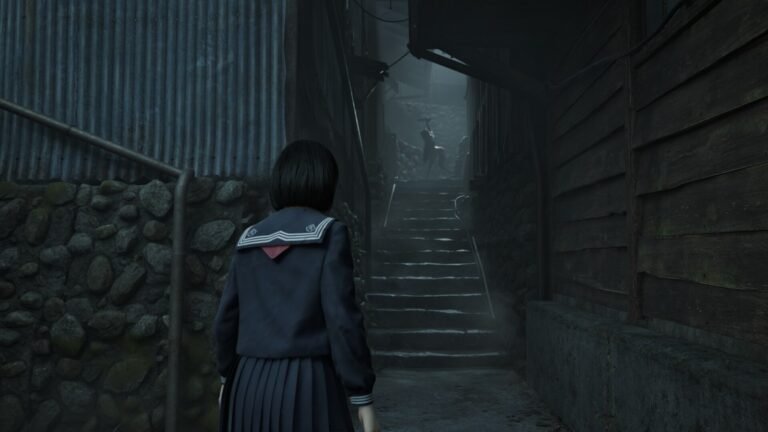
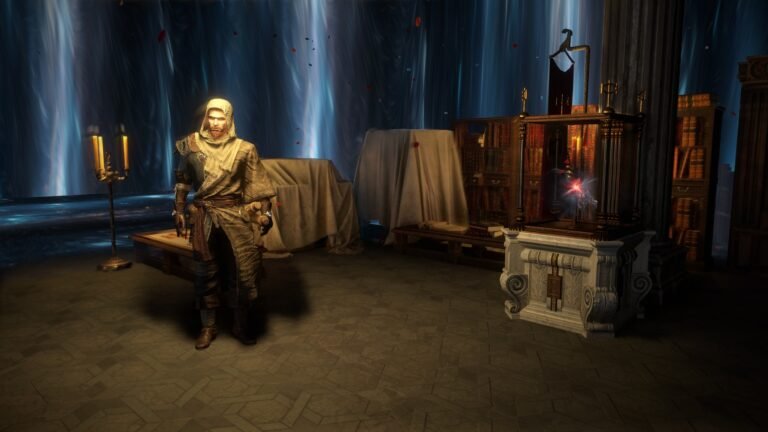
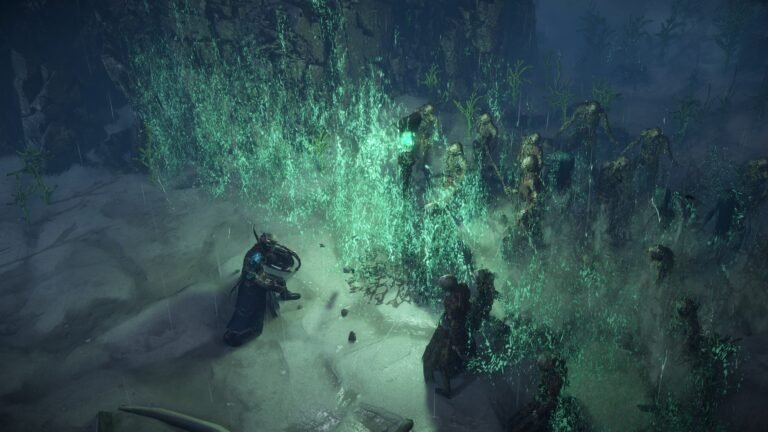
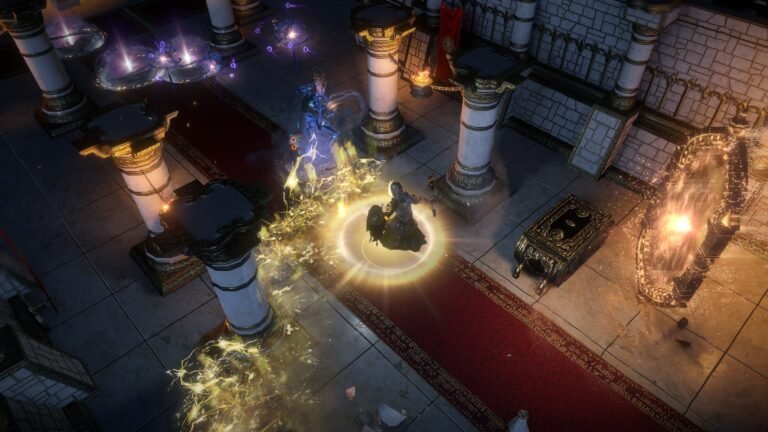
Valheim combina preparação, exploração e construção em um mundo inspirado na mitologia nórdica. Imagem: Iron Gate Studio / Coffee Stain Publishing.
Survival means staying alive. In video games, the term describes experiences in which staying alive, finding resources, and dealing with environmental conditions are fundamental to gameplay. Imagine waking up in a forest without any equipment. You do not know the area, need to find food, and night is approaching. You could explore farther in search of materials, but risk encountering dangerous creatures.
You could also use what you have already gathered to build a shelter, even if that delays your progress.
Neither choice is necessarily the best in every situation. In Minecraft, this experience might begin with wood, basic tools, and a small house to spend the night. In The Long Dark, cold weather and a shortage of supplies may pose greater threats than any enemy.
In DayZ, meeting another survivor raises a different question: will they help or try to steal your gear? These games belong to the survival genre, but follow different rules and objectives. The genre does not necessarily require hunger meters, base building, or open worlds. Its identity lies in the importance of managing the conditions needed to stay alive.
Over the decades, this approach has evolved from relatively simple experiences into expansive worlds, crafting systems, dynamic environments, and multiplayer sessions.
In this feature, we explore the origins of survival games, examine their core mechanics, and discover how very different designs came to share the same genre. Updated October 20, 2026.
Nesta matéria
What defines a survival game?
A survival game makes staying alive one of the player’s main challenges. This usually involves acquiring resources, facing threats, and making decisions that affect the ability to keep exploring. In some titles, characters must eat, drink, rest, and protect themselves from the weather. In others, the main difficulty comes from scarce equipment, hostile creatures, or the need to build a way into new areas.
Survival does not need to be a realistic simulation. Don’t Starve, for example, uses a stylized presentation and threats unique to its world. Subnautica combines the exploration of an alien planet with underwater environmental hazards. What connects these games is the relationship between available resources, danger, and preparation.
Does survival require hunger, thirst, and building?
No. These are common mechanics, but none is mandatory in every survival game.
The Long Dark places considerable emphasis on temperature and physical condition without relying on freeform base building like Minecraft. Valheim combines building, food, equipment, and combat with progression through different biomes. Conversely, some games have basic hunger or crafting mechanics but are not generally considered survival games because those systems play only a minor part in the overall experience.
Classification depends on the role survival plays, not on whether an individual meter or tool is present.
Open worlds, multiplayer, PvP, zombies, procedural generation, permadeath, and endless campaigns are not universal requirements either. An adventure can have defined objectives while still organizing its decisions around survival. What matters is how strongly the character’s condition, risks, and resources shape the experience.
How did survival games begin?
The idea of managing resources and coping with dangerous conditions appeared in video games well before modern open worlds became popular.
Earlier games already experimented with food, equipment, exploration, and the consequences of decisions.
However, these elements did not necessarily form a genre recognized in the same way as today.
The Oregon Trail and early survival challenges
The Oregon Trail, created in 1971 by Don Rawitsch, Bill Heinemann, and Paul Dillenberger, began as a school activity about settlers traveling across North America. The initial text-based project ran on a teletype. When Rawitsch brought the code to MECC in 1974, a new phase of adaptation and school distribution began, before the better-known graphical editions.
Later versions popularized decisions involving supplies, health, and unexpected events.
Players had to manage resources throughout a journey while dealing with disease and food shortages. Although it did not follow the structure of modern survival games, it established an important principle: staying alive depended on planning and decisions made along the way. Other experiments in the 1980s and 1990s also examined hostile environments and managing necessities, still without a universal formula.
UnReal World and survival as the central goal
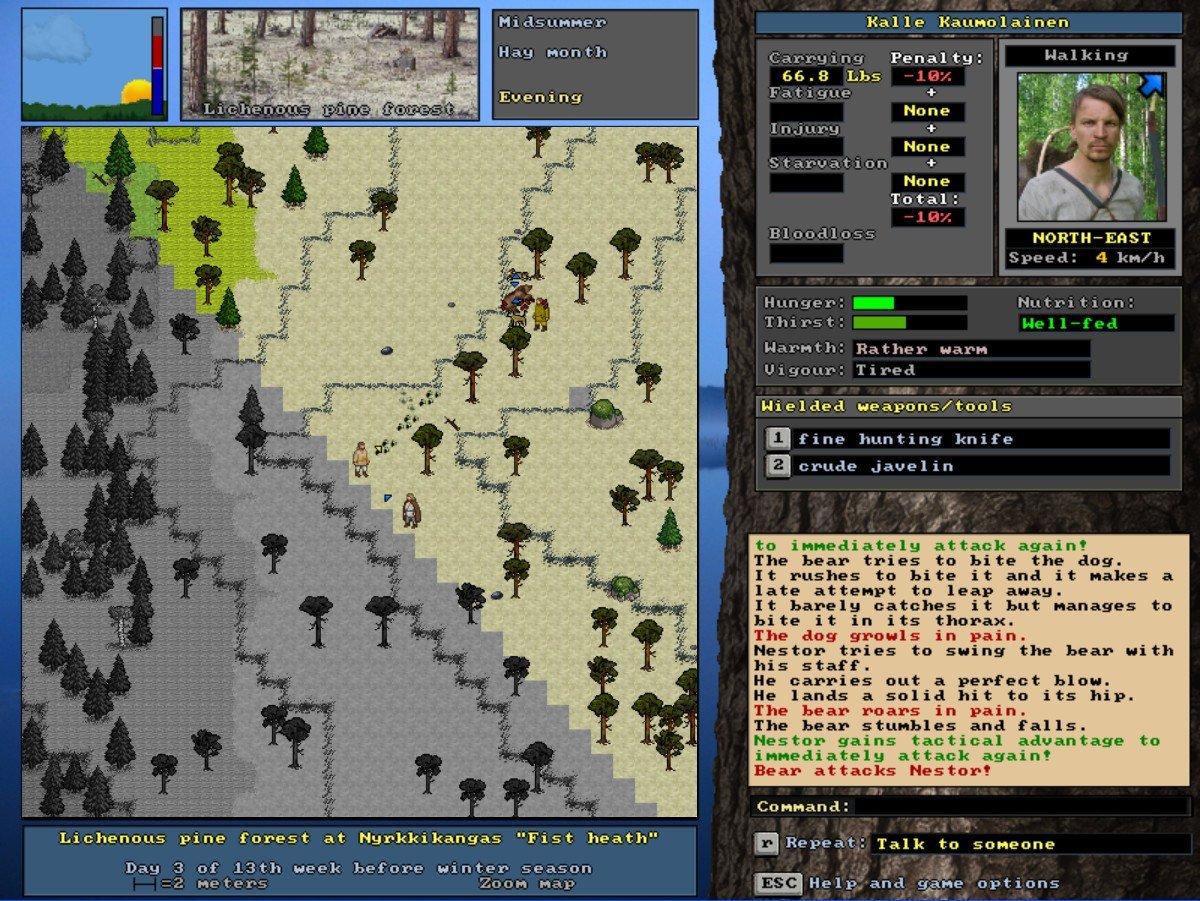
Originally released in 1992, UnReal World is one of the genre’s most significant historical examples. Created by Sami Maaranen, with Erkka Lehmus contributing to co-design and additional programming, the game has remained in active development since its early versions.
Its setting draws inspiration from Iron Age Finland. Players can hunt, fish, gather resources, craft gear, and endure the natural environment. Survival is not merely a stage leading up to a grand final battle. It is the center of the experience.
Getting food, preparing for the weather, and learning the terrain are decisions that keep a character alive. UnReal World shows that deep survival systems existed long before the popularity of Minecraft and major multiplayer games.
That ongoing development is still evident: the official website lists version 3.89, released October 14, 2026. Its 1992 debut should not be confused with its Steam arrival in 2016 or with the appearance of modern screenshots. Rather than being only a relic of the past, the game continues to evolve.
Robinson’s Requiem and Survival Kids
Robinson’s Requiem, developed by Silmarils and released in 1994, introduced a particularly detailed approach to a character’s physical condition. Injuries, illness, and other needs required attention while exploring.
Konami’s Survival Kids debuted on Game Boy Color in Japan on June 17, 1999, as Survival Kids: Kotō no Bōkensha. It also arrived in North America in 1999 and became known as Stranded Kids in Europe. Its island adventure emphasizes survival, exploration, and gathering materials; release dates differ by region.
These games helped establish different interpretations of the genre. Survival was not invented by a single title. Its characteristics were gradually combined and refined by developers working in different periods and with different goals.
Minecraft and the rise of modern survival
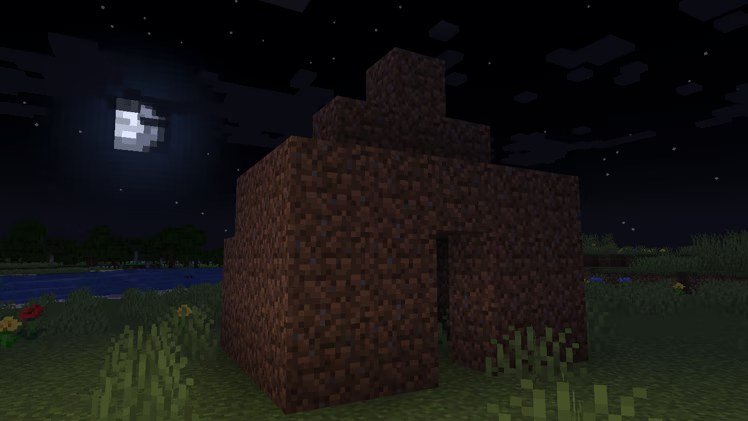
Minecraft began receiving public releases in 2009 and reached its full release in 2011, two distinct milestones described in its official introduction. Initially created by Markus Persson, it was developed and expanded by Mojang, now Mojang Studios. The game did not invent resource gathering, tool crafting, or building structures.
Its contribution was bringing these systems together in an accessible experience with enormous freedom to explore and reshape the world. In Survival mode, players normally begin with very few resources. They can gather wood, craft tools, search for ores, and build a shelter. At night, hostile creatures make certain areas more dangerous.
Over time, better equipment allows players to tackle new challenges and reach places that were once difficult to explore.
Survival and creativity in the same world
One of Minecraft‘s most important features is the relationship between necessity and freedom. A building might begin as protection against enemies but grow into an elaborate house, a fortress, or an entire city.
Tool crafting serves survival, while more advanced systems enable projects extending far beyond basic needs. This places Minecraft within both survival and sandbox traditions, with the latter emphasizing players’ freedom to establish many of their own goals.
Are Survival and Creative the same experience?
No. In Survival mode, gathering materials, managing health, and facing threats are part of gameplay. Creative mode provides much greater freedom to build, with easy access to materials and without the same survival demands. These modes show how one game can offer very different experiences depending on its rules.
Mojang’s guide to game modes also distinguishes Hardcore, where death ends active participation in that world. That does not describe every Survival session: edition, difficulty, and settings all matter before generalizing about respawning or item loss.
Minecraft helped bring the combination of exploration, building, and survival to a vast audience.
DayZ, Rust, and the transformation of multiplayer survival
The growth of online games added another element to survival: the unpredictability of other players. The environment was still dangerous, but human decisions could now determine the outcome of an entire journey.
DayZ: surviving in a world with other players
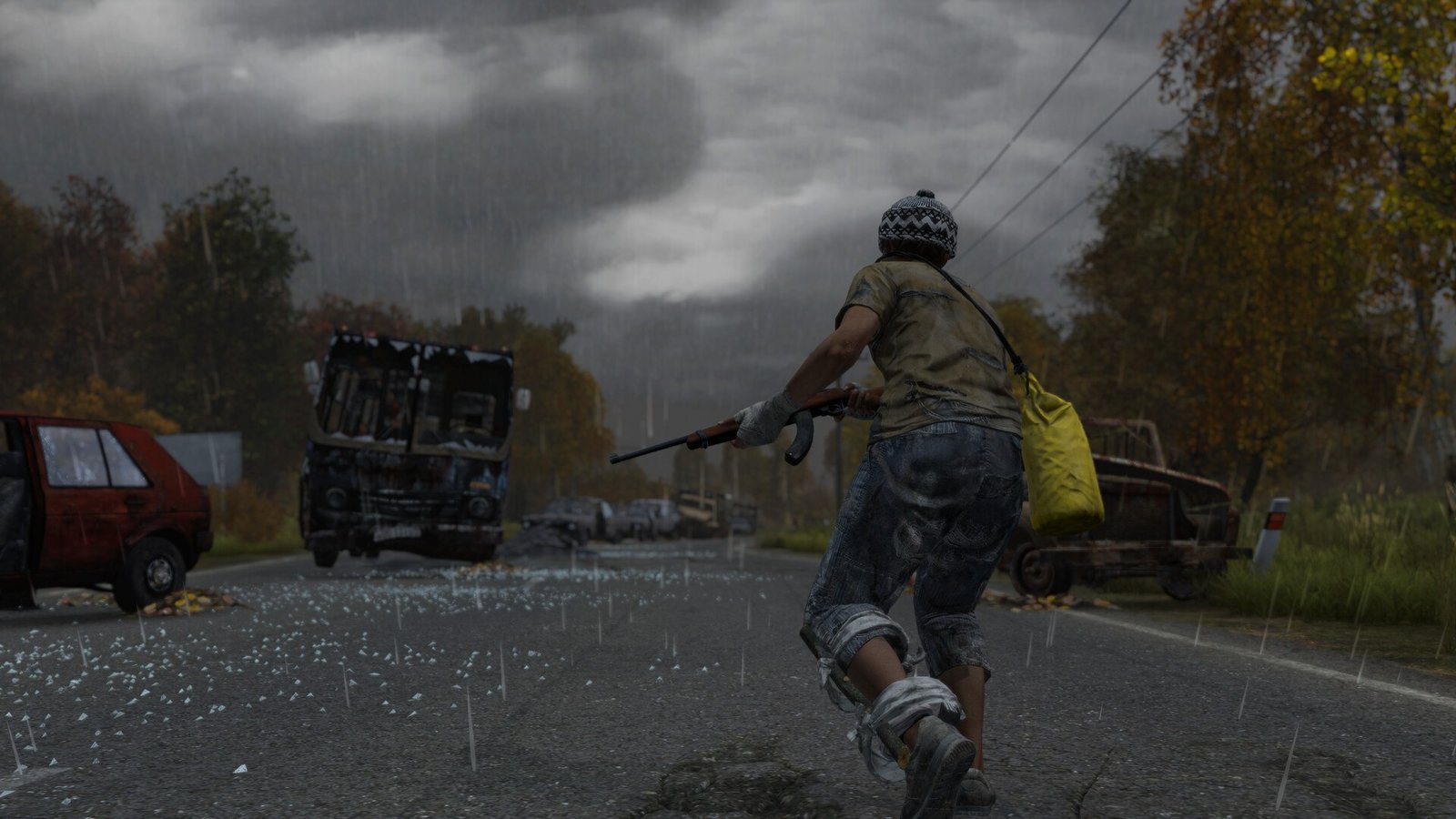
DayZ began in 2012 as an ARMA 2 mod created by Dean Hall. It placed players in a post-apocalyptic setting where they searched for supplies, fought infected enemies, and survived environmental hazards.
Bohemia Interactive released the standalone in Early Access on December 16, 2013; the full PC launch followed on December 13, 2018. Food and medicine are important in DayZ, but meeting other survivors creates a particular challenge.
A stranger might share supplies, form an alliance, or attack to steal gear. Imagine finding someone injured in an abandoned town. Helping could earn you a traveling companion. Approaching could also expose you to an ambush. Such situations do not necessarily result from scripted developer missions.
They emerge from interactions between people within the game’s rules. DayZ helped popularize a multiplayer survival tradition in which trust, conflict, and equipment loss are major parts of the experience.
On October 15, 2026, the DayZ Badlands expansion introduced Nasdara, an arid 267 km² region. That figure describes the new map, not all of DayZ‘s environments. Water scarcity, sandstorms, heatstroke, and silicosis increase environmental pressure; appropriate clothing, shade, equipment, and rebuildable structures become part of preparation. Restoring a well, for instance, might encourage cooperation or provoke a struggle over a valuable resource.
Badlands is an expansion with its own content, separate from Update 1.30 changes to the base game, including motorcycles and system improvements. This does not mean all paid content is free. The announced Nintendo Switch 2 version for the first quarter of 2027 was still in the future as of October 20, 2026; subsequent plans for fixes should not be mistaken for features already delivered.
Rust: bases, resources, and player conflict
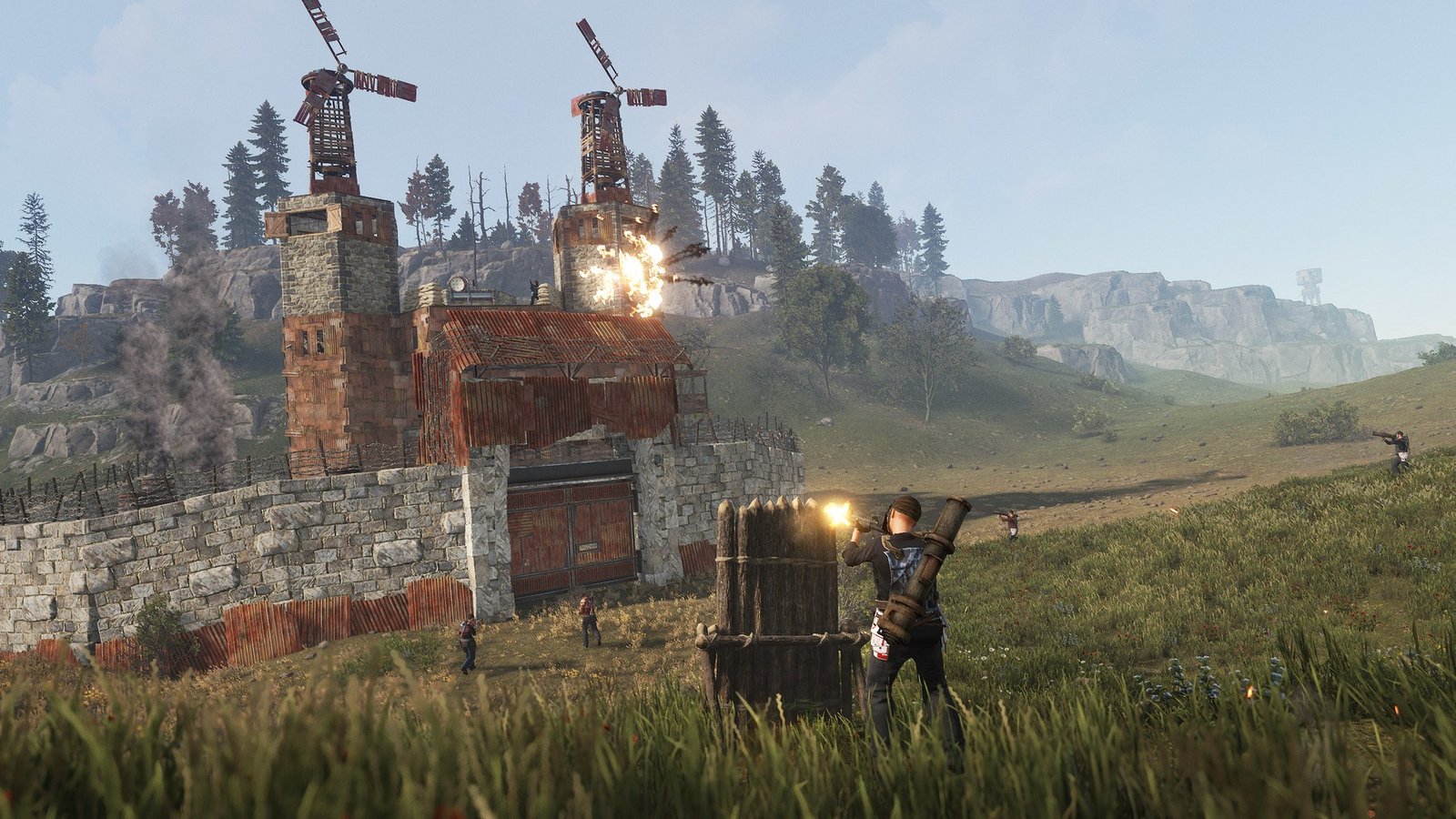
Facepunch Studios began making Rust available in 2013, including through Steam Early Access that year. It left Early Access on February 8, 2018. Its design combines gathering, crafting, base building, and survival in environments shared with other players.
Bases can store supplies and equipment, but they can also become targets for raids. This creates a relationship between progress and vulnerability.
An elaborate structure might represent many hours of work, but its security depends on defenses and server rules. Rust also supports different ways to play depending on each community and its settings.
The game became especially associated with player conflict, resource protection, and social relationships on multiplayer servers. Its evolution also extends to base maintenance. In the October 1, 2026 Livestock Update, Facepunch expanded farming and animal husbandry, adding cattle, sheep, recipes, and energy systems. This shows how competition for resources coexists with ways of producing and managing them.
Wipe schedules, PvP, progression, mods, and building rules still depend on the server; there is no single universal Rust configuration.
Not every online survival game works like DayZ or Rust
In cooperative experiences such as Valheim and Don’t Starve Together, players can divide responsibilities and tackle challenges collectively. Other games offer optional PvP or server-specific rules. Multiplayer does not automatically mean everyone is competing with everyone else.
How does the survival gameplay loop work?
In many games, survival revolves around needs, resources, and preparation. A simplified example is:
Explore → Gather resources → Craft equipment → Find protection → Face new challenges → Explore again.
This loop is not a mandatory rule. Some games require constant management of physical conditions. Others emphasize exploration, building, or combat. The point is to understand how today’s decisions affect tomorrow’s possibilities.
Hunger, thirst, temperature, and physical condition

A character’s needs can turn simple actions into important choices. In The Long Dark, cold, food, and physical condition are essential to surviving the Canadian wilderness. In Green Hell, a tropical rainforest brings health, food, and region-specific threats into play. In Subnautica, oxygen is one of the most important resources during underwater exploration.
Imagine discovering a cave on the ocean floor. You spot useful materials but are running low on oxygen. Exploring farther might yield valuable resources. It might also leave you unable to return safely to the surface. The decision involves evaluating risk before pursuing the reward.
Gathering and managing resources
Wood, stone, ore, food, and components can be used to craft equipment and keep a character alive. But finding resources does not necessarily mean you can carry everything. Some games limit inventory space or carry weight. Others introduce equipment durability, food preservation, and storage at a base.
These systems reward planning. Carrying too much may slow you down; carrying too little may leave you unprepared. The value of each resource depends on the game and the situation.
Crafting: turning materials into possibilities
Crafting lets players use materials to create tools, weapons, gear, and structures. In Minecraft, basic resources become tools that unlock more advanced materials. In Subnautica, crafting equipment and vehicles expands underwater exploration. In Valheim, new workstations and materials help prepare for more dangerous regions. Crafting does not have to be complex to work well.
Its main role is connecting what players find with what they can do next.
Building bases and shelters

Building can protect a character, store supplies, and support further expeditions. In Minecraft, the freedom to build produces enormously varied projects. In Rust, bases are strategically important for protecting equipment. In Subnautica, underwater facilities can support exploration farther from familiar areas.
Valheim links shelter, rest, storage, and workstations to progression. However, not every survival game requires large-scale construction. Some favor constant movement, makeshift shelters, or adapting existing structures.
Exploration, threats, and progression
Survival is about more than keeping health and hunger indicators filled. In many games, the goal is to gradually expand where and how you can explore.
The environment as a challenge

In Subnautica, the underwater environment brings risks associated with oxygen, depth, and ocean creatures. In The Long Dark, freezing temperatures and weather conditions can make travel dangerous. In Valheim, each biome offers its own resources, enemies, and challenges. These examples show how an environment can act as both an obstacle and a reason to progress.
A dangerous area might contain materials needed for better equipment. Players must therefore decide when they are ready to explore it.
Combat is not always the best solution
Some survival games emphasize fighting creatures or other players. In ARK: Survival Evolved, for example, creatures and taming systems are essential. In Valheim, defeating bosses contributes to progression. In The Long Dark, avoiding danger and conserving supplies can be more important than confronting every animal.
Combat is one possibility within survival, not a universal obligation.
What is the ultimate goal of a survival game?
It depends on the game’s design. Minecraft lets players set personal goals, build, and explore, although it also includes challenges such as confronting the Ender Dragon.
Subnautica has narrative progression tied to exploration and an attempt to escape the planet. Valheim structures part of its development around biomes, equipment, and bosses.
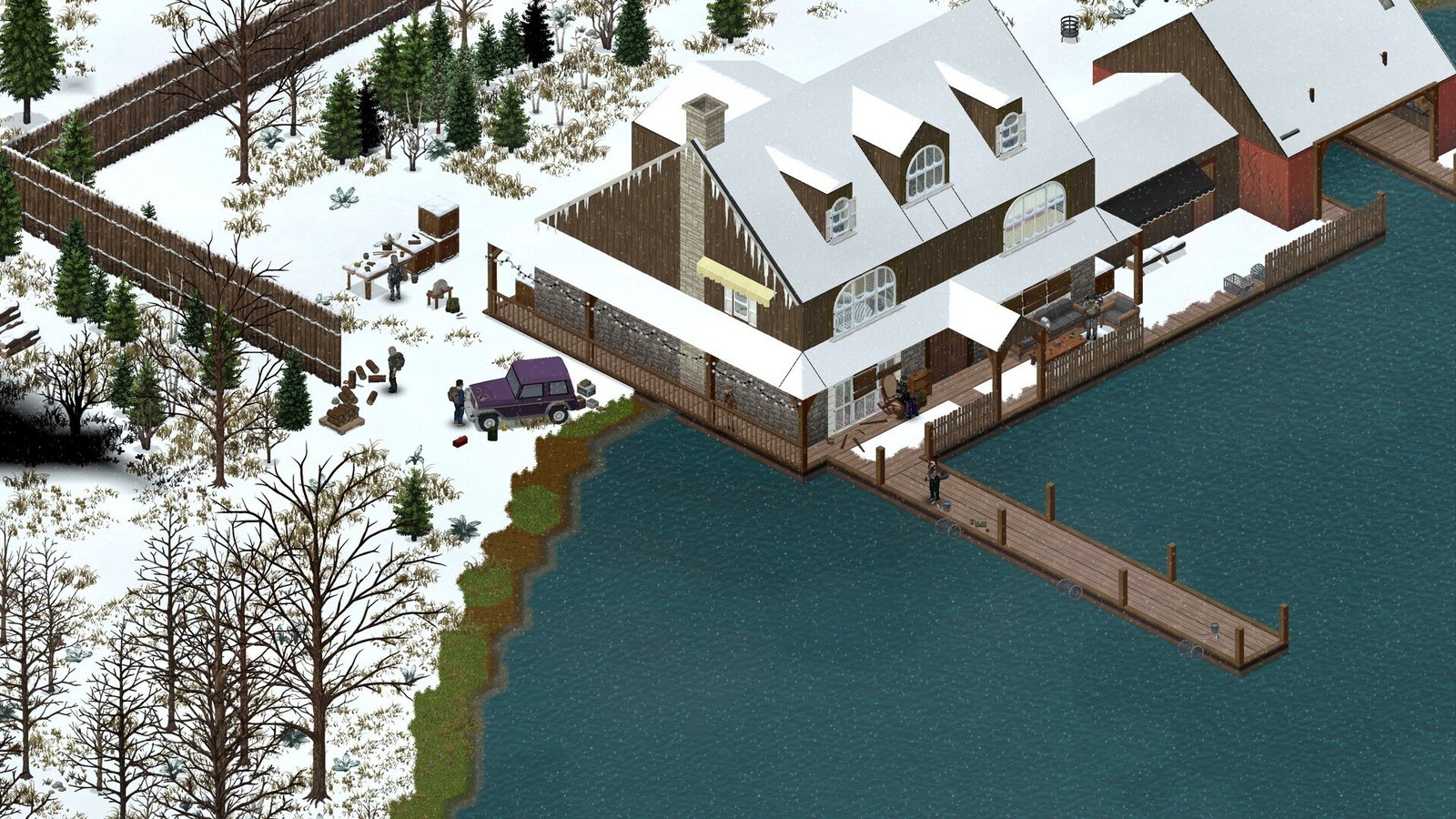
Project Zomboid emphasizes continuing to survive a zombie apocalypse without depending on a conventional campaign with a definitive victory. The Indie Stone released Build 42.21 Stable on September 28, 2026, addressing zombie duplication and disappearance, including multiplayer cases, as well as tree visibility. The studio’s workflow takes updates first to the Unstable branch for testing, then to Stable.
A stable build does not mean a 1.0 release: the game remains in Early Access and active development.
A survival game may therefore have a story, bosses, missions, or simply allow players to set their own goals. The absence of a mandatory ending does not mean a lack of progression.
What happens when the character dies?
Defeat can have very different consequences. In Minecraft, rules and settings determine how item recovery and respawning work. Hardcore mode adds much harsher consequences.
In DayZ, death normally means losing the current character and control over the equipment they were carrying. In Project Zomboid, death can permanently end that survivor’s story.
Other games have their own systems for retrieving inventories or returning to the place of defeat. The risk of losing resources changes how players make decisions, but permanent death and losing all gear are not requirements for the genre.
It is also important to distinguish a character’s fate from a world’s persistence. In Project Zomboid, creating another survivor may let you continue in the same world, depending on session rules; in DayZ, a new character does not automatically reset the server. Those consequences do not, by themselves, reproduce the run-based structure of a roguelike or roguelite.
Valheim and Enshrouded: two milestones in 2026
Developed by Iron Gate and published by Coffee Stain Publishing, Valheim entered Early Access on February 2, 2021, and reached version 1.0 on September 9, 2026. The full release added the Deep North biome, with new creatures, materials, weapons, armor, and building pieces, alongside system improvements. Deep North is not Ashlands, and the 2026 content was not already fully present in the 2021 edition.
Its central contribution remains the combination of cooperation, preparation, and biome-based progression in a world inspired by Norse mythology.
Keen Games’ Enshrouded entered Early Access on January 24, 2024, and released its full version on October 15, 2026. In Embervale, exploration, construction, and terrain modification coexist with action combat, gear, and skill choices. The Shroud creates unique dangers while cooperation allows players to divide tasks. This overlaps with the action RPG genre without making its mechanics mandatory for all survival games.
The version 1.0 announcement introduces Cinder’s Cradle, new areas, and another stage of progression, alongside the current conclusion of Embervale’s main story. Combat improvements and new building tools expand how players explore and rebuild the world. A narrative conclusion does not remove the freedom to keep building or establishing personal objectives.
What are the main types of survival games?
Survival games take different approaches, which can be grouped according to their dominant goals and mechanics.
| Type | Main characteristic | Examples |
|---|---|---|
| Sandbox survival | Freedom to explore, build, and establish goals | Minecraft |
| Environmental survival | Managing needs and hostile conditions | The Long Dark, Green Hell |
| Cooperative survival | Survival through shared tasks and resources | Valheim, Don’t Starve Together |
| Multiplayer survival with PvP | Competition for resources and player interaction | Rust, DayZ |
| Narrative survival | Survival integrated with exploration and story | Subnautica, The Forest |
| Combat-progression survival | Equipment, creatures, and challenges that drive advancement | ARK, Valheim |
These are not mutually exclusive genres.
Valheim can be described as cooperative survival focused on exploration and building.
Minecraft combines survival and sandbox elements. DayZ features environmental survival and unpredictable multiplayer encounters. A single game can bring several of these traits together.
Survival, survival horror, and sandbox: what’s the difference?
These terms often appear together, but they do not describe exactly the same experience.
Survival versus survival horror
Survival games center on staying alive, gathering resources, and coping with environmental conditions.
Survival horror, on the other hand, uses vulnerability, tension, and limited resources to create a horror experience.
Resident Evil and Silent Hill are important references in survival horror, although their structures and mechanics differ. The presence of frightening monsters does not automatically make every survival game survival horror. Likewise, survival horror does not need freeform building, hunger, or thirst as central systems.
Survival versus sandbox
Sandbox describes the freedom offered by game systems and the possibility of pursuing different goals. Minecraft is a well-known example of sandbox and survival working together.
But not every sandbox demands survival. In Minecraft‘s Creative mode, players can focus on building without the traditional needs found in Survival. Some survival games also feature more defined narrative goals and much less building freedom.
Survival versus extraction shooters
In extraction shooters, sessions typically revolve around raids in which players search for resources or rewards and then try to reach an extraction point. Many survival games instead develop an experience of ongoing presence and progression within an environment.
Both formats can feature the risk of losing gear, but their structures are not identical. DayZ does not automatically become an extraction shooter because characters can lose their belongings. In Hunt: Showdown 1896 and ARC Raiders, extracting organizes each raid; their perspectives also differ, with Hunt in first person and ARC Raiders in third person. Shared risk does not make these designs equivalent.
Extraction does not have to be the central goal of a survival game. Our feature on extraction shooters explains their raid, risk, and extraction loop.
Survival versus roguelike
Some survival games use permadeath or procedurally generated worlds. Those features can also appear in roguelikes and roguelites.
But permadeath does not automatically turn a survival game into a roguelike. These terms describe different structures that can coexist. UnReal World officially describes itself as a roguelike RPG, illustrating a genuine historical overlap with survival. Even so, procedural generation and permadeath alone do not justify assigning the same structure to every survival game.
ZAUS.GG explains the difference in its feature Roguelike and Roguelite: Differences and Evolution.
Games that shaped the evolution of survival
This selection brings together titles that helped develop or popularize different approaches to survival. It is not a ranking of the best games.
| Game | Historical milestone | Main contribution or characteristic |
|---|---|---|
| The Oregon Trail | 1971: text-based educational project | Early model of decisions about supplies, health, and travel risks |
| UnReal World | 1992: first public version | Deep survival in a natural environment; ongoing development |
| Robinson’s Requiem | 1994: release | Detailed physical conditions and survival |
| Survival Kids | 1999: Japanese Game Boy Color debut | Island survival adventure |
| Wurm Online | June 6, 2006: release | Persistent world, building, and player interactions |
| Minecraft | 2009: public builds; 2011: version 1.0 | Popularized the combination of gathering, crafting, and construction |
| Terraria | May 16, 2011: PC release | Exploration, crafting, and progression in a 2D world |
| Project Zomboid | 2011: early builds; November 2013: Steam Early Access | Detailed zombie survival; still in Early Access on October 20, 2026 |
| DayZ | 2012: mod; 2013: standalone Early Access; 2018: PC 1.0 | Multiplayer survival with risk and unpredictable encounters |
| Don’t Starve | 2013: full PC release | Stylized survival with distinctive needs and threats |
| Rust | 2013: Early Access; February 8, 2018: exit from Early Access | Bases, resources, and multiplayer conflict |
| 7 Days to Die | 2013: Early Access; July 25, 2024: version 1.0 | Zombie survival with building and defense |
| The Forest | May 2014: Early Access; April 30, 2018: full PC release | Building, exploration, and horror on a peninsula |
| The Long Dark | September 2014: Early Access; August 1, 2017: version 1.0 | Cold, resources, and environmental conditions |
| Subnautica | December 2014: Early Access; January 23, 2018: full PC release | Underwater survival and exploration |
| ARK: Survival Evolved | 2015: Early Access; August 29, 2017: full release | Creatures, taming, and progression |
| Green Hell | August 2018: Early Access; September 5, 2019: PC 1.0 | Rainforest survival and physical condition |
| Valheim | February 2, 2021: Early Access; September 9, 2026: version 1.0 | Exploration, building, and biome-based progression |
| Sons of the Forest | February 23, 2023: Early Access; February 22, 2024: version 1.0 | Survival, building, and threats in a hostile environment |
| Enshrouded | January 24, 2024: Early Access; October 15, 2026: version 1.0 | Combination of survival, building, and action RPG |
The ordering follows the first public milestone listed for each title, not the dates of every complete release. In 2011, Terraria debuted in May, with early Project Zomboid builds following later. PC release dates do not necessarily represent launches on consoles or in every region.
As of October 20, 2026, Valheim and Enshrouded have full releases, while Project Zomboid remains in Early Access. UnReal World 3.89, Zomboid Build 42.21 Stable, and DayZ Badlands each show how survival continues to evolve within long-running projects. Updates, expansions, and 1.0 launches are distinct milestones.
The variety also shows that the genre did not evolve in one direction. Some games made character needs more detailed. Others emphasized building, cooperation, persistent worlds, or stories. These approaches continue to coexist.
Why do survival games appeal to such different players?
The genre turns problems into goals, but each design emphasizes a different interest:
- Minecraft: freedom to build and reshape the world.
- The Long Dark: preparation against cold and scarcity.
- Subnautica: environmental discovery and narrative progression.
- Rust and DayZ: unpredictable encounters with other players.
- Valheim: cooperative exploration and shared challenges.
- Project Zomboid: the continuity of detailed survival.
This is not a ranking: the examples illustrate why players with different preferences can find distinct experiences within survival.
What can make the genre frustrating?
The same characteristics that appeal to some players can discourage others.
Repeatedly gathering resources, managing necessities, and losing equipment can become tiring, depending on the game’s pacing.
In some games, crafting better gear requires many steps. In others, dying can mean losing hours of progress. Multiplayer experiences may also involve conflict, skill gaps, and difficulties stemming from server rules. These issues do not affect every title to the same degree.
Difficulty modes and settings can substantially alter the experience. The key is understanding which approach best matches the kind of challenge you want.
Survival means staying alive, adapting, and creating a way forward
The genre grew by turning resources, knowledge, and environmental conditions into decisions. Some games put the character’s body under pressure; others emphasize building, exploration, or human relationships. That range leaves room for fantasy, science fiction, and more realistic approaches. In a survival game, staying alive is more than avoiding defeat. It means learning to use what the world offers to overcome increasingly demanding challenges.
What you learn on one expedition can change how you approach the next. That relationship between necessity, preparation, and discovery continues to define survival games.
About the Author