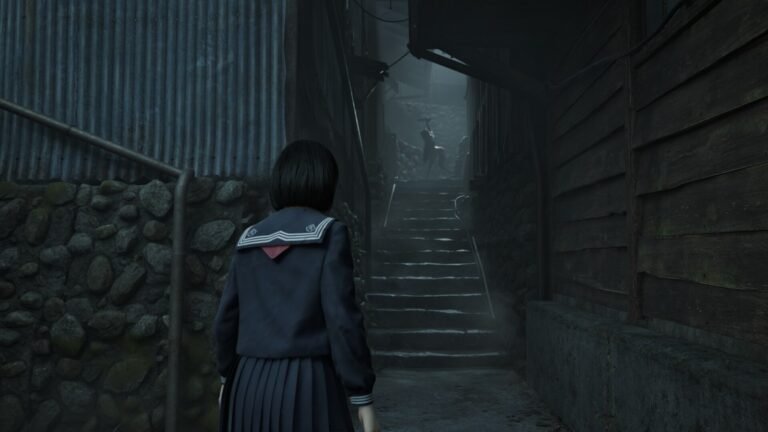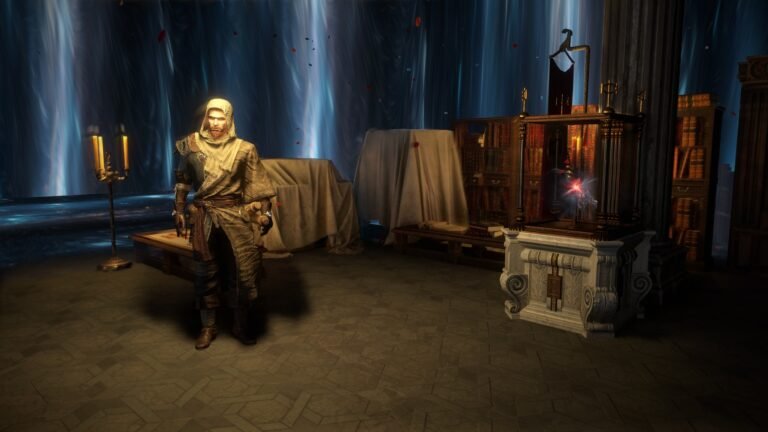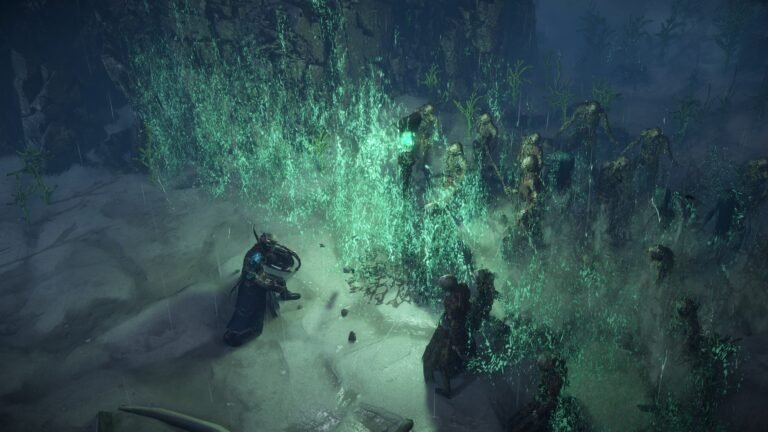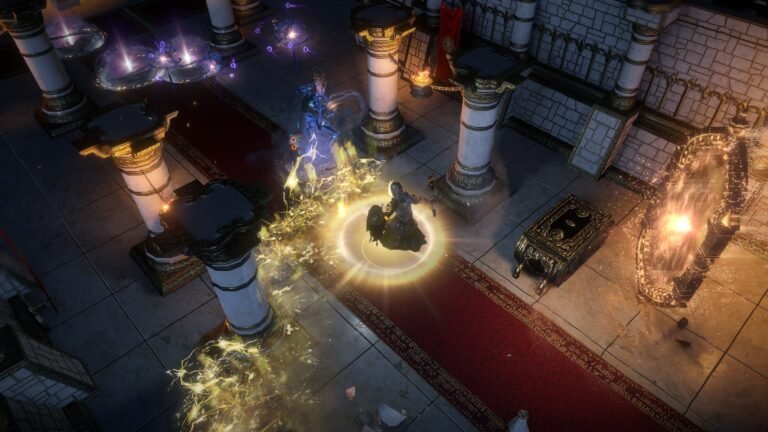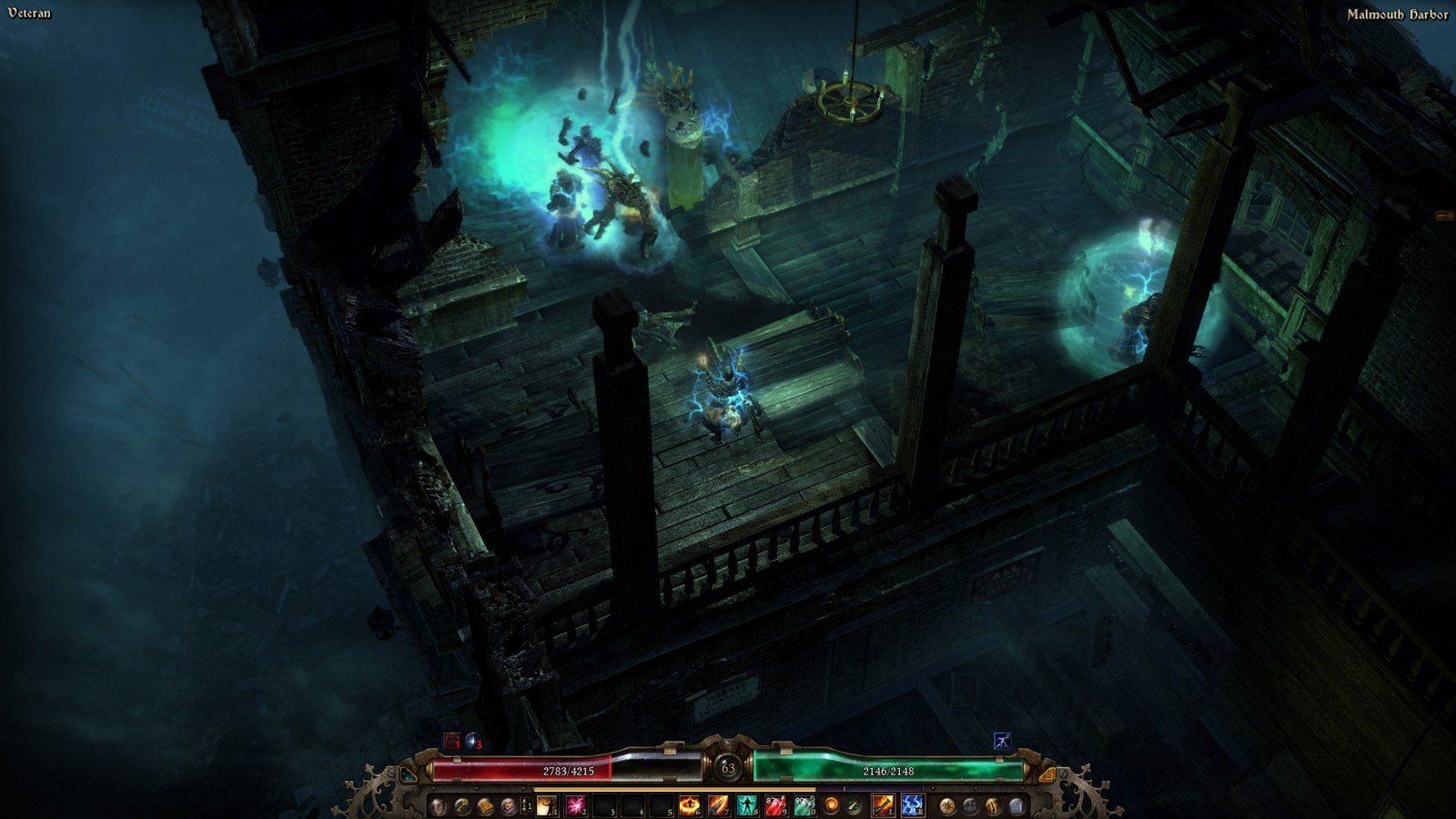
Grim Dawn: Ashes of Malmouth (2017). Imagem: Crate Entertainment.
You enter a dungeon, find a rare weapon, and realize it could transform your character. You rearrange skills and attributes, then return to combat to test the combination. That experience is familiar to players of Diablo, Path of Exile, Grim Dawn, and Last Epoch.
But why are Elden Ring, Kingdom Hearts, and NieR: Automata also called ARPGs when they offer such different experiences? The answer lies in the genre’s history and in the term’s two uses: a broad category of action role-playing games and a particular branch focused on gear and builds.
This pillar explores both traditions and explains combat, progression, and rewards. Revised October 20, 2026, it distinguishes released games and available expansions from projects that are still announced, with links to ZAUS.GG’s dedicated coverage.
Nesta matéria
What Is an ARPG?
ARPG stands for Action Role-Playing Game. The category combines RPG systems with real-time combat in which the player directly controls attacks, movement, and defense. Enemies continue acting while you make decisions, according to the rules of the encounter.
Character-development systems determine what you can do. Levels, attributes, gear, skills, and specializations can change damage, survivability, and combat options. Two characters facing the same boss may need different strategies because one relies on heavy weapons while the other casts spells from a distance.
The relationship between direct execution and character development matters more than any single feature. Real-time combat alone does not automatically make a game an action RPG: RPG systems must play a meaningful role. The genre does not require an isometric camera, random loot, crafting, multiplayer, seasons, or endless farming.
The difference from turn-based RPGs concerns when actions take place, not a supposed absence of strategy. An ARPG may demand resource management and positioning; a turn-based RPG may require initiative, combinations, and complex decisions. We will compare neighboring genres later.
Does ARPG Have Two Meanings?
In discussions about video games, ARPG may mean a broad category or a specific tradition within it. Both uses are valid when the context is clear. Understanding the distinction prevents players from expecting identical experiences from very different games.
The broad meaning: different kinds of action RPG
Ys represents a Japanese tradition of combat and exploration; Secret of Mana adds cooperative play; Kingdom Hearts combines three-dimensional encounters with storytelling; NieR: Automata integrates action and character growth into its narrative; and Elden Ring structures attributes and builds around an open world of challenges. All can be discussed as action RPGs without sharing seasonal economies or identical equipment systems.
The Diablo-style branch: equipment and optimization
Among players of Diablo, Path of Exile, Grim Dawn, Torchlight, and Last Epoch, ARPG often refers specifically to collecting rewards and building characters. Fighting, gathering resources, modifying equipment, and testing combinations drive much of the experience. Crafting, farming, and endgame can deepen that loop, with different rules in each title.
This branch is part of a larger category. When someone asks for an ARPG, it is useful to determine whether they want an action adventure with RPG progression or specifically a loot-driven optimization game. Both interests are legitimate, but they create different expectations.
The Origins of Action RPGs
The history of action RPGs did not begin with Diablo. During the 1980s, computer and console developers experimented with combining character growth and direct control. These games did not follow one universal definition; some also belong to the history of adventure and exploration games.
Dragon Slayer and Hydlide: experiments in 1984
In 1984, Nihon Falcom released Dragon Slayer for the PC-8801. The developer’s official historical account describes contact-based attacks, growing stronger by returning home, and overcoming obstacles with items and magic. Its historical significance lies in bringing action, progression, and exploration together—not in using controls identical to modern ARPGs.
Also in 1984, T&E Soft’s Hydlide combined direct combat with character development. The archive of its original PC-8801 material records that year. Later ports should not be confused with the original launch. Both games are more accurately described as pioneers than as the single unquestioned inventor of every ARPG definition.
Druaga and Zelda: influences and boundaries
Namco’s The Tower of Druaga reached arcades in 1984, bringing together combat, dungeon exploration, and the discovery of secrets. Namco used the term action RPG, but that does not make its progression equivalent to that of a Diablo-like game. Historical labels need to be understood in the context of their time.
The Legend of Zelda, first released in Japan in 1986, decisively influenced exploration, tools, and secrets. However, its action-adventure identity should not automatically be recast as an attribute- and level-based RPG. Influencing a genre does not mean satisfying every criterion later used to define it.
Ys and the Japanese tradition
Falcom’s official chronology records Ys in 1987. The series became central to Japanese action RPGs, connecting exploration, combat, and progression. SNK’s Crystalis (1990) and Square’s Secret of Mana (1993) pursued further combinations. These traditions help explain why ARPG covers much more than the formula later popularized on PC.
How Did ARPGs Evolve Over the Decades?
The genre developed along parallel lines. Some games prioritized campaigns and characters; others centered on equipment and repeatable activities. Each period expanded the options without replacing every earlier format.
1990s: cooperative adventures and the Diablo formula
Crystalis connected exploration, magic, and equipment. Secret of Mana, originally released in 1993, showed how real-time action, companions, and cooperation could coexist in a Japanese RPG without relying on a seasonal online economy.
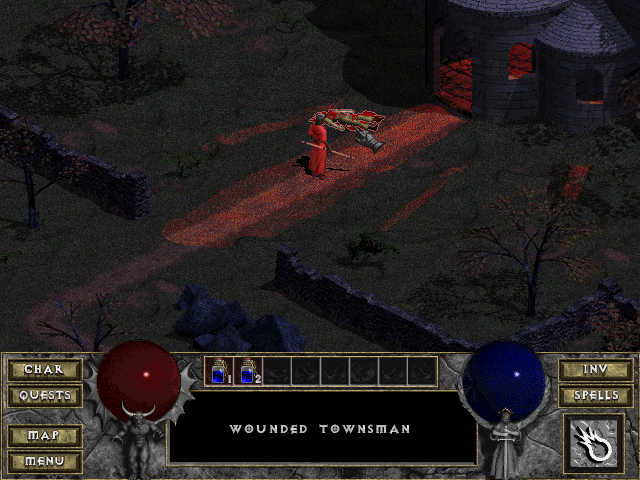
Diablo (1996) popularized a different combination: a hub town, journeys into variable dungeons, and a constant search for gear. Its impact lies in the strength of that loop, not in inventing action combat or character progression. Online play also connected players around the same rewards.
2000s: specialization and different approaches
Diablo II (2000) and Lord of Destruction (2001) expanded classes, items, and player choices. Dungeon Siege and Kingdom Hearts, both from 2002, demonstrated different paths: party-based adventuring and three-dimensional, story-driven combat. Sacred, Titan Quest, and Torchlight developed open exploration, Masteries, and distinctive visual identities within the loot-driven branch.
2010s: depth and diversity
Diablo III refreshed combat and later expanded its endgame progression. Path of Exile deepened gems, passive skills, crafting, and the economy. Grim Dawn combined Masteries and gear, while NieR: Automata used combat and development in a narrative-focused design. The decade cannot be reduced to a single line of Diablo successors.
2020s: open worlds and live-service development
Elden Ring brought the soulslike tradition into an open world; Diablo IV expanded shared regions and seasonal systems; Last Epoch reached version 1.0 with individually specialized skills. Path of Exile 2 entered Early Access as a separate game. Expansions and redesigns continued in 2026, so the individual sections below distinguish content already available from future releases.
Timeline: Key Milestones in Action RPG History
| Year | Game or milestone | Why it matters |
|---|---|---|
| 1984 | Dragon Slayer and Hydlide | Early experiments combining RPG progression and real-time action |
| 1986 | The Legend of Zelda | Influential action-adventure milestone in exploration and combat |
| 1987 | Ys | Established a Japanese action RPG tradition |
| 1990 | Crystalis | Exploration, magic, and progression through real-time combat |
| 1993 | Secret of Mana | Action combat and cooperative play in a Japanese RPG |
| 1996 | Diablo | Popularized the dungeon, monster, and loot formula |
| 2000 | Diablo II | Greater depth in classes, builds, and equipment |
| 2002 | Dungeon Siege and Kingdom Hearts | Two contrasting approaches to action RPGs |
| 2004 | Sacred | Broader exploration within the Diablo-inspired branch |
| 2006 | Titan Quest | Ancient mythology and combined specializations |
| 2009 | Torchlight | A fresh interpretation of loot-centered ARPGs |
| 2012 | Diablo III | Renewed combat and progression for the franchise |
| 2013 | Path of Exile | Complex builds, crafting, economies, and leagues |
| 2016 | Grim Dawn 1.0 | Combining Masteries and deep customization |
| 2017 | NieR: Automata | Narrative-driven action RPG with three-dimensional combat |
| 2022 | Elden Ring | Open-world action RPG and soulslike |
| 2023 | Diablo IV | New franchise generation with shared regions |
| 2024 | Last Epoch 1.0 | Dedicated skill trees and crafting |
| 2024 | Path of Exile 2 Early Access | A different combat and progression approach within the franchise |
| 2026 | Lord of Hatred, Fangs of Asterkarn, Last Epoch Season 5 | Released expansions and seasonal content; PoE 2’s full launch and Titan Quest II 1.0 remained future events at the editorial cutoff |
Dates identify particular milestones, generally original releases or the official beginning of a development phase. Early Access is not the same as a full release.
How Does Combat Work in an ARPG?

Real-time combat is the most recognizable element of an action RPG. However, that does not mean every game follows the same rules.
Attacks and abilities
Characters can use basic attacks, spells, special strikes, and abilities that consume resources. Each action has range, damage, area of effect, and possible requirements. Some abilities hit one target; others attack groups. Defensive tools, summons, and support effects may also be available.
Movement and positioning
Position can determine whether an attack lands or a dangerous ability can be avoided. Some ARPGs require staying at range while firing projectiles; others require approaching enemies and finding safe openings to strike.
Dodging and blocking
Certain games have dedicated evasive moves. Others rely on blocking, resistances, damage absorption, or combinations of these. Dodging and reading boss moves are often crucial in Elden Ring. In monster-heavy ARPGs, survival frequently comes from defenses, positioning, and character attributes working together.
Animation timing and cooldowns
Abilities may involve animations, costs, and cooldowns. Knowing when to use them is important: a powerful skill can be risky if it leaves you exposed, while a fast attack may be more useful when there is little room to act.
Resources
Mana, health, energy, and other pools determine available actions. Some builds aim for continuous resource recovery; others depend on spending resources at specific moments.
Status effects
Poison, burning, freezing, bleeding, and other effects are common, but their rules vary between franchises. Bleeding in Elden Ring should not be treated as if it worked exactly like bleeding in Path of Exile.
Do Diablo, Path of Exile, and Elden Ring fight the same way?
No. Diablo is known for direct combat, skills, and equipment used against packs of enemies. Path of Exile uses a similar monster-heavy framework but adds deep interactions among passives, gear, gems, and other systems. Elden Ring puts greater emphasis on reading individual attacks, dodging, stamina, and boss encounters. All three combine action and RPG systems but organize challenges differently.
Cameras and Perspectives: Must an ARPG Be Isometric?
No. The camera angle does not determine the genre by itself.
Isometric perspective
Often associated with Diablo-inspired games, an elevated camera shows the character and many enemies. Technically, not all such cameras use true isometric projection; the word is often used broadly for angled overhead presentation.
Top-down view
Some games adopt a camera closer to directly overhead, making environments and enemy movement easier to read.
Third-person view
Kingdom Hearts, NieR: Automata, and Elden Ring use closer character-following cameras, emphasizing movement, three-dimensional exploration, and individual encounters.
Side view
Some action RPGs use side-on two-dimensional environments, combining platforming, exploration, combat, and progression. A different camera does not remove their RPG mechanics. The core systems matter more than appearance alone.
Classes and Archetypes: Who Is Your Character?
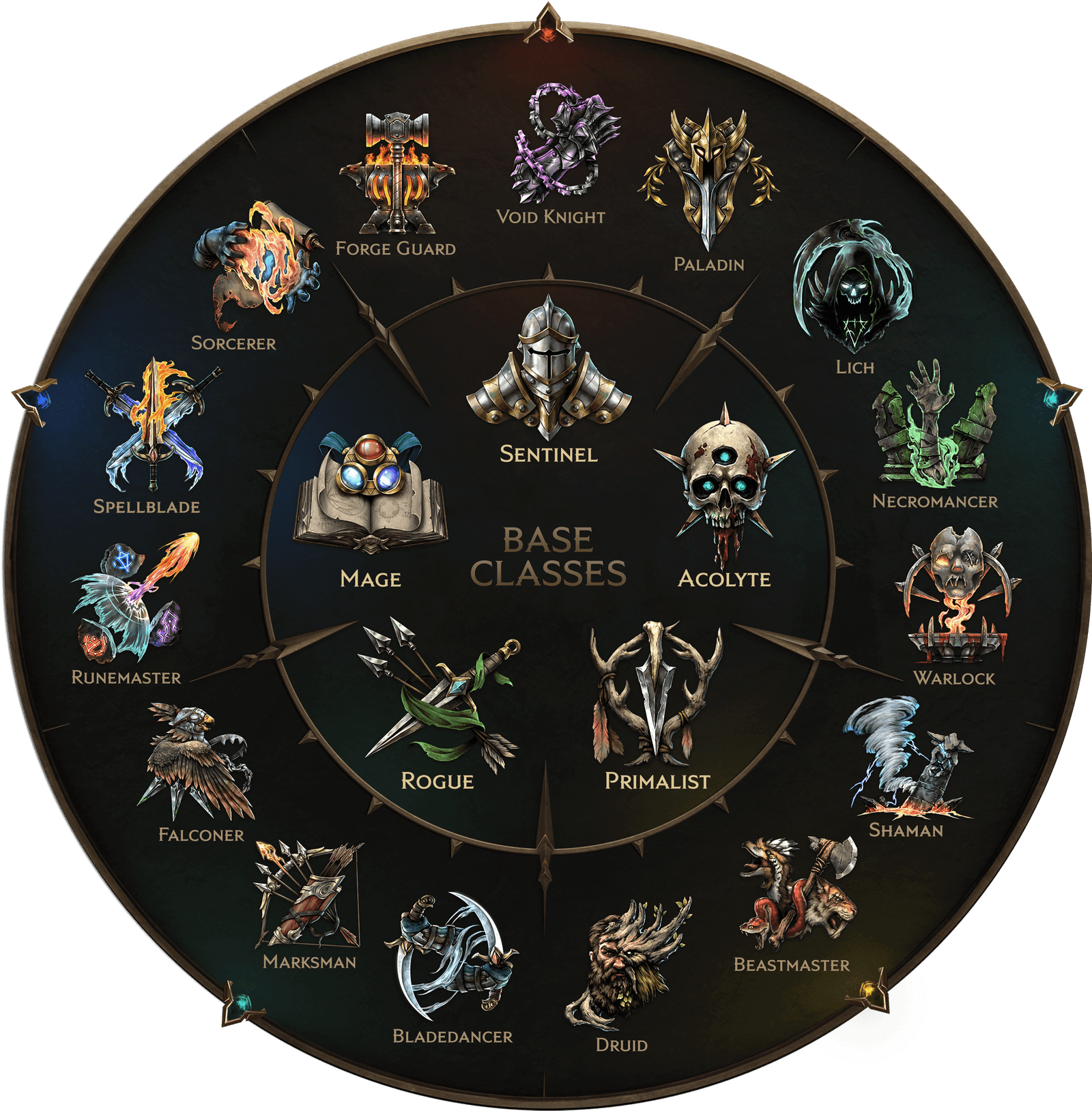
Classes help organize combat styles. Common archetypes include Warrior (weapons and direct confrontation), Mage (spells and magical abilities), Archer (ranged attacks), Rogue (mobility and precision), Summoner (creatures or allies controlled by the game), and Hybrid (a combination of approaches).
These are broad reference points, not fixed rules. One game may let a Mage fight in melee while another builds that archetype around summons.
Fixed classes and specializations
Diablo classes have their own identities and abilities. Last Epoch has five base classes, each with three Masteries. Path of Exile also has base classes and Ascendancies, but its shared passive tree offers extensive customization. Elden Ring’s starting classes primarily determine initial attributes and equipment; later progression is not strictly restricted by them. Thus, “class” can describe quite different systems.
Attributes and Progression: How Does a Character Grow Stronger?
Progression is fundamental to action RPGs and can include experience, levels, attributes, skills, gear, and additional systems.
Experience and levels
Many ARPGs award experience for defeating enemies and completing activities. Levels can grant points and unlock new options, creating a continuing sense of development.
Attributes
Attributes can represent strength, agility, intelligence, health, or other properties. Their effects depend on each game’s rules. Raising one may enable a weapon or improve an ability.
Skill trees
Trees organize development choices. They may unlock abilities, change existing skills, or provide passive bonuses.
Passives and specializations
Passive abilities alter a character without necessarily requiring a combat input. They can strengthen certain damage types, defenses, or special interactions.
Respecializing and reallocating points
Many games let players change earlier decisions, but costs and restrictions vary. Some allow easy rebuilding; others require rare resources or limit specific changes.
Vertical and horizontal progression
Vertical progression directly increases power, through higher levels or better gear. Horizontal progression expands options without only increasing numbers, such as new combat styles or ways to use abilities. ARPGs may combine both: a character grows stronger while gaining alternative approaches to existing challenges.
What Is a Build in an ARPG?
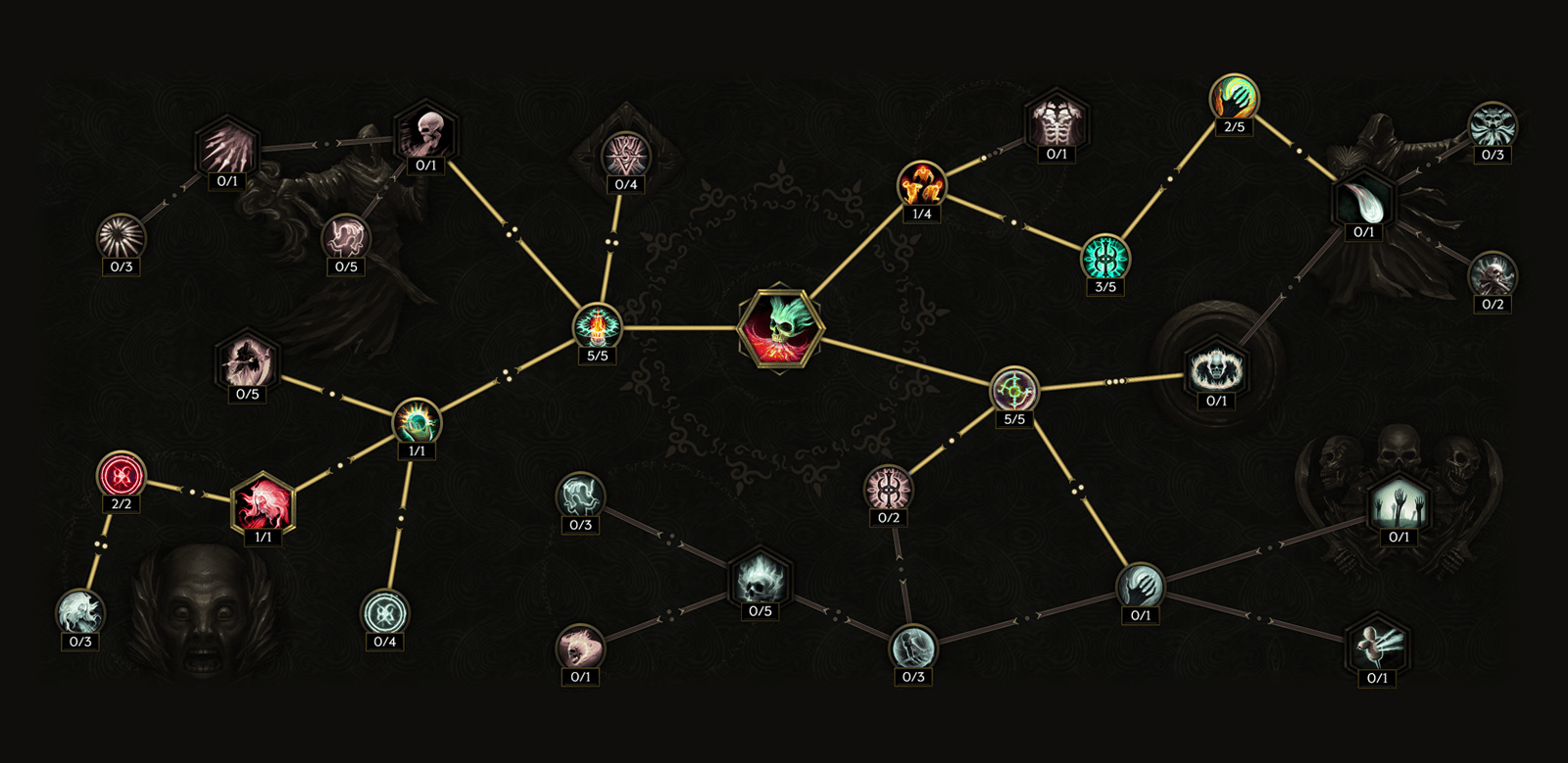
A build is the combination of decisions defining how a character works: attributes, active skills, passives, equipment, specializations, and defenses. A main weapon or ability is only one part of it.
Synergy: making choices work together
Imagine a fire ability that applies burning. Passives increase that effect, another ability deals extra damage to affected enemies, and items change both. That relationship is synergy. An item with high numbers may be a poor fit if its properties do not support the build’s purpose.
The character must also sustain resources and survive. Too little damage prolongs combat, but investing everything in offense may undermine defenses, resistances, and recovery. Build quality depends on the whole setup and its intended content, not on the largest on-screen number.
Learning from guides and experimenting
Guides can explain interactions and prevent wasteful spending. Copying a build is optional; experimentation depends on a game’s complexity and respec options. Understanding each decision helps when you have not found a required item or an update changes the rules.
Diablo IV connects skills, gear, and progression systems; Path of Exile links gems, passives, and Ascendancies; Last Epoch specializes individual skills; and Elden Ring combines attributes, weapons, spells, and talismans. These are conceptual examples, not temporary meta builds presented as permanent rules.
Loot and Equipment: Why Do They Matter So Much?
Loot means rewards obtained through activities, especially gear and materials dropped by enemies. In Diablo-style ARPGs, searching for loot is often a major reason to keep playing. A new weapon can raise damage, an amulet can fill important stat gaps, and a unique item can fundamentally change a skill.
Weapons, armor, and accessories
Equipment commonly falls into categories. Weapons affect attacks and skills; armor provides defenses and other bonuses; accessories supply specific modifiers. Some games also have specialized slots.
Rarity
Many ARPGs use colors to distinguish common, magic, rare, or special equipment, but colors do not have universal meanings. A purple item in Last Epoch may be an Exalted item with elevated affixes; the same color can signal a different category elsewhere.
Modifiers
Equipment can add damage, defenses, resistances, speed, and many other properties. In some games, these modifiers are rolled randomly within limits, so items of the same type may differ enormously.
Unique items
Unique items may have special properties. Their value may come from enabling an interaction that ordinary gear cannot, rather than from having the largest numbers. This opens up different builds.
Equipment sets
Sets grant bonuses for wearing related pieces. Some games make sets central to progression; others prioritize individual items.
Boss-specific equipment
Certain bosses can drop exclusive rewards, encouraging repeated encounters to obtain particular items.
Does every ARPG need random loot?
No. Randomly generated gear is central to many Diablo-inspired games, but it is not a requirement for every action RPG. Important equipment in other games may come from fixed locations, quests, or narrative progression.
Crafting: Creating and Modifying Equipment

Crafting covers creating and changing equipment and other items. Depending on the game, it may mean manufacturing gear, upgrading stats, or transforming existing properties. It can be simple or as complicated as building the character itself.
How does it work?
Players spend materials to improve weapons, add modifiers, or alter properties. Some outcomes are predictable; others depend on chance.
Crafting in Path of Exile
Path of Exile’s currencies can also modify items. A resource used for trading may directly change equipment, linking crafting and the economy. Specialized systems offer additional approaches to equipment modification.
Crafting in Last Epoch
Last Epoch uses the Forge to add or improve affixes. Forging Potential limits conventional Forge operations. Exalted relates to elevated affixes, while Legendary Potential and Weaver’s Will are involved in their own item creation or progression processes. They are not steps on one universal rarity ladder, and neither guarantees a perfect item. Runes, Glyphs, and other systems apply to particular equipment types.
Does crafting always improve an item?
No. Operations may involve risks, costs, or random results. You can spend resources without getting what you wanted. That makes crafting a progression decision: invest now or wait for a better base item?
Why Do ARPGs Repeat So Many Activities?
In loot-centered games, repeating activities to obtain items, experience, and materials is a major part of play. This is called farming. A typical loop looks like this:
- Fight enemies.
- Gain experience, gear, and resources.
- Improve abilities and items.
- Take on harder content.
- Find new rewards.
- Adjust your build and continue progressing.
The loop is simple, but its depth depends on what the game offers.
Why repeat the same activity?
Because rewards can vary. A boss may drop rare equipment only after several attempts. A dungeon may yield useful materials; a map may have different monsters or encounters. Players may also seek experience or better performance.
Is repetition a positive feature?
It depends on the player and the implementation. Those who enjoy optimizing builds, reducing clear times, and hunting rare gear may love it. Players who prefer continually discovering new content may find it tiring. Developers respond with different maps, bosses, modifiers, and side systems to diversify goals.
Do all action RPGs depend on that loop?
No. Elden Ring, for example, can be completed through exploration and campaign challenges. Repetition and equipment hunting are possible, but its core progression does not depend on a seasonal farming structure like many Diablo-style games. Different projects prioritize different experiences.
What Is Endgame in an ARPG?
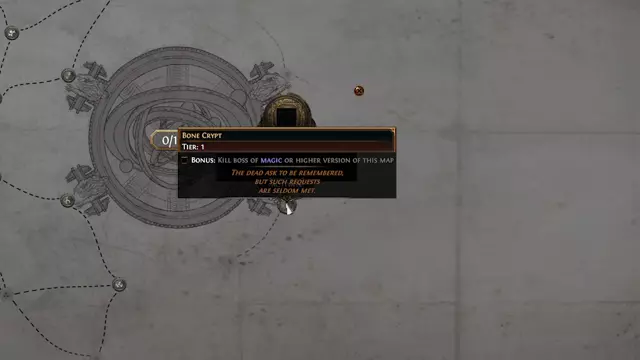
Endgame describes activities that become especially important after the main campaign or a certain progression milestone. It does not necessarily mean the story is finished forever. In many ARPGs, completing the campaign opens the way to a new set of challenges.
Diablo
Endgame has changed considerably across the franchise. Diablo II is associated with repeatedly clearing areas and bosses, hunting gear, and leveling characters. Diablo III later introduced systems such as Nephalem Rifts and Greater Rifts, along with progression and seasons. Diablo IV has its own advanced activities, modified through updates and expansions. These systems should not be treated as if they all belonged to the same Diablo game.
Path of Exile
Path of Exile’s endgame centers on the Atlas of Worlds. Maps open areas with monsters, rewards, and progression. Other systems include Delve, Heist, Sanctum, advanced bosses, and specialized activities. Players can adapt their content to their character and the resources they want to farm.
Last Epoch
Last Epoch offers the Monolith of Fate, with Timelines, Echoes, and bosses, as well as dungeons, Arena, and other advanced challenges. Players can search for gear, tackle greater difficulty, and improve their builds.
Grim Dawn
Grim Dawn includes advanced activities, dangerous areas, special challenges, and expansion content. Its progression is structured differently from ARPGs built around regularly resetting league economies.
Does endgame mean playing forever?
No. You can finish a campaign, complete your chosen challenges, and consider the experience over. Advanced content provides additional goals; it does not require everyone to participate indefinitely.
Seasons, Leagues, and Cycles: Why Start Over?
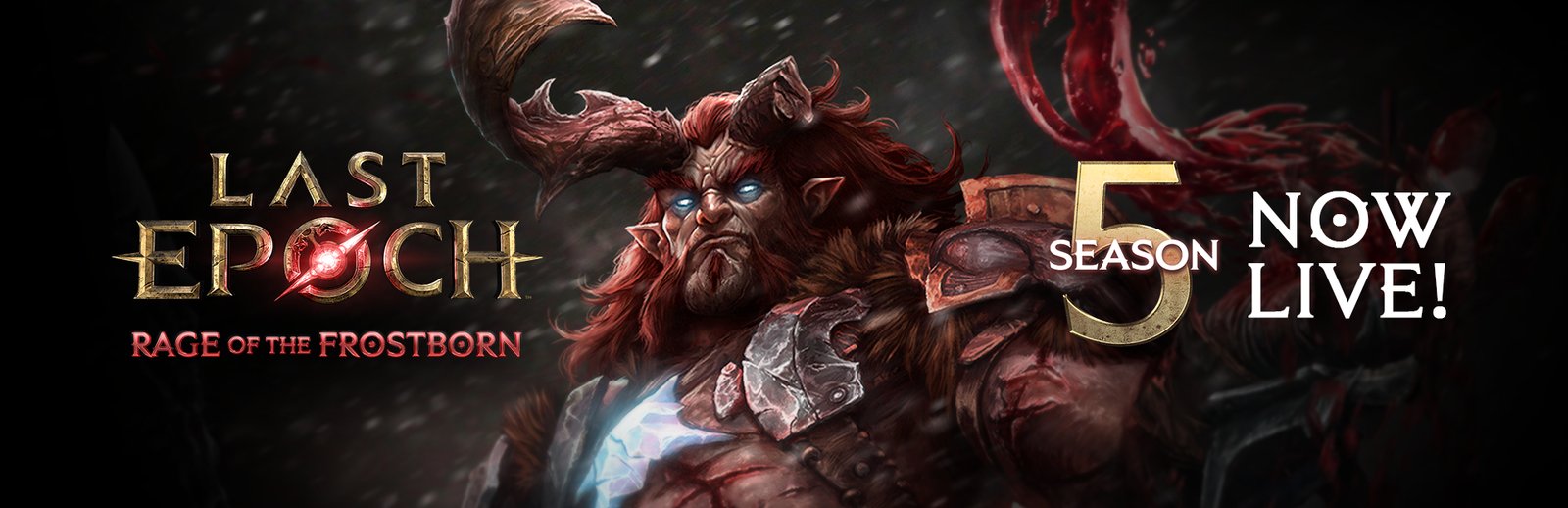
Many modern ARPGs have seasonal structures that encourage new characters and offer opportunities to try different content or rules. Each franchise handles this in its own way.
Seasons in Diablo
Diablo IV has seasonal characters that start fresh progression in the Seasonal Realm. Seasons may introduce activities, mechanics, and rewards. The permanent Eternal Realm lets players continue with characters outside seasonal cycles. Transfer and progression-preservation details depend on the current rules.
Challenge Leagues in Path of Exile
Path of Exile’s Challenge Leagues let players enter a fresh economy and try new mechanics. At the end of a league, characters and items generally move to the corresponding permanent environment, subject to applicable rules. Fresh trading economies are particularly important to its league experience.
Seasons and Cycles in Last Epoch
Last Epoch used the term Cycles during part of its development and now presents its seasonal structure as Seasons. Seasonal play offers fresh starts, mechanics, and rankings. At the October 2026 editorial cutoff, Season 5: Rage of the Frostborn began October 1 with the Rage of Morditas mechanic.
Does every ARPG have seasons?
No. Many action RPGs are self-contained campaigns or permanent experiences without seasonal resets. Even among loot-focused games, seasonal rules vary substantially. Starting over matters to some ARPGs but is not a requirement of the genre.
Player Economies and Trading
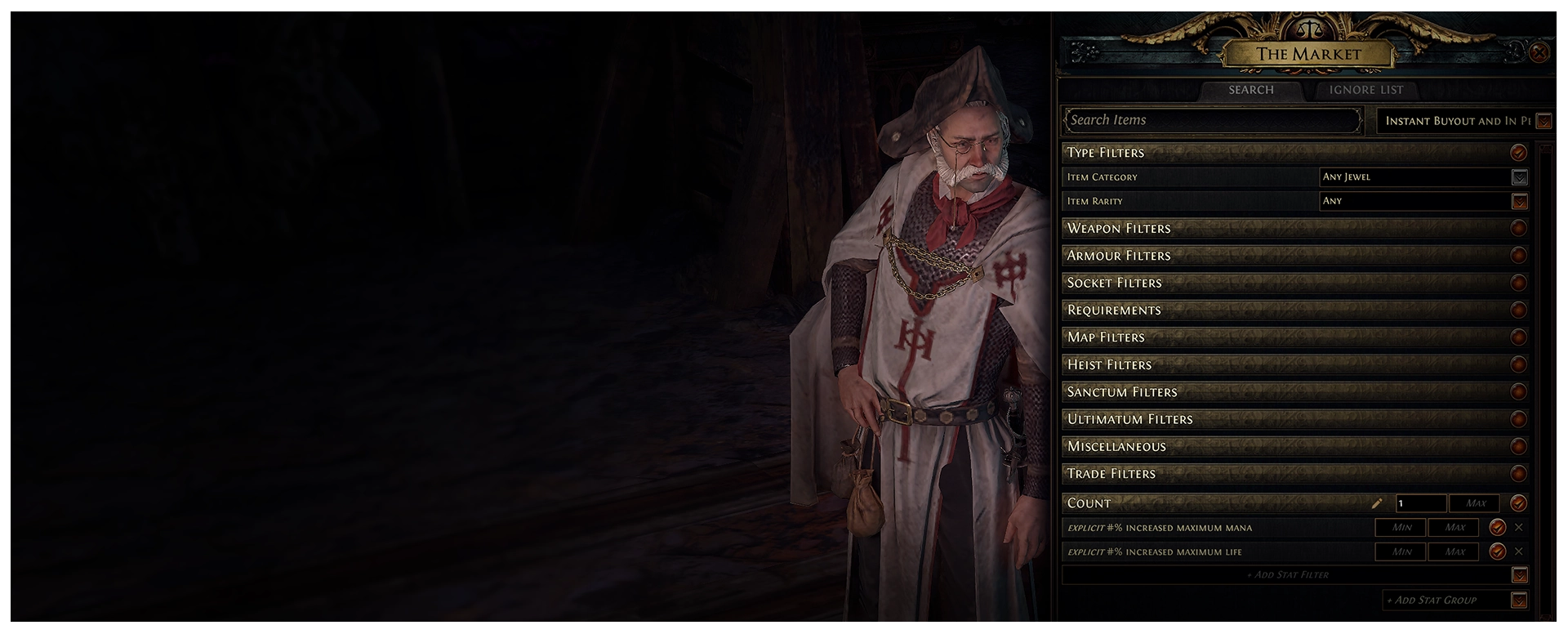
Some ARPGs feature player trading, adding another layer to progression. Trading allows exchanging items and materials within each game’s rules. Value depends not only on rarity but also on demand.
Path of Exile
Path of Exile has an economy based on currencies that also work as crafting materials. It supports direct trades and tools such as Currency Exchange, Trade Market, and Merchant’s Tabs. These systems differ: some handle bulk materials; others list and sell gear. Each league has its own economy, so prices may vary widely. See our guide to Path of Exile trading, Faustus, and the economy.
Last Epoch
Last Epoch has the item factions Merchant’s Guild and Circle of Fortune. Merchant’s Guild grants trading access through the Bazaar under specific restrictions, while Circle of Fortune favors finding gear through gameplay. They offer distinct paths for different preferences.
Diablo
Trading rules have changed across Diablo games. Equipment trading was historically important in Diablo II. Diablo III’s economy became substantially more restricted after the Auction House was shut down and subsequent changes were made. Diablo IV allows eligible items to be traded but has restrictions, especially for particular gear categories and bound items. The franchise cannot be described as having one universal open market equivalent to Path of Exile.
Must every ARPG have trading?
No. Many action RPGs are single-player-oriented or have no player-to-player trading. Even online titles can include modes such as Solo Self-Found for developing characters without trading. Trading is an option, not a genre requirement.
Multiplayer: Must an ARPG Be Online?
No. There are fully single-player action RPGs, games with optional cooperation, and experiences requiring online servers. ARPG describes combat and RPG systems, not a required number of connected players.
Single-player ARPGs
Some campaigns can be completed without joining markets or multiplayer activities, focusing on story, exploration, combat, and progression.
Cooperation
Some ARPGs let friends tackle campaigns or special activities together. This may change difficulty and rewards. Party sizes vary between games.
Shared worlds
Diablo IV has regions where players encounter others and participate in group activities. These elements do not automatically make its structure that of a traditional MMORPG.
PvP
Some ARPGs include player-versus-player combat, while others have none or treat it as secondary. PvP is a design choice, not a defining feature.
ARPG vs. Hack and Slash, Soulslike, Roguelite, and MMORPG
Genres describe different priorities and may overlap. This table compares them without turning labels into rigid boundaries.
| Term | Main emphasis | Relationship to ARPG |
|---|---|---|
| ARPG | Real-time combat combined with RPG systems | Broad category covering different cameras, campaigns, and online models |
| Hack and slash | Repeated combat, often melee; historical and modern meanings vary | Diablo commonly receives the label, while Devil May Cry emphasizes combos and execution without the same loot progression |
| Soulslike | Tradition associated with Demon’s Souls and Dark Souls: reading attacks, managing resources, exploration, and consequences of defeat | Elden Ring is both an action RPG and a soulslike |
| Roguelike | Tradition derived from Rogue, with runs, variable generation, resets, and its own rules | Random maps alone do not make an ARPG a roguelike |
| Roguelite | Runs that often retain some progression between attempts; definitions vary | Hades mixes action and roguelite progression but is not a traditional Diablo-like |
| MMORPG | Online RPG built for a massive community and a shared persistent world | Can use action combat; multiplayer and trading alone do not establish the category |
| Turn-based RPG | Actions organized in turns or opportunities to act | Main distinction is combat timing, not strategic depth |
| Metroidvania | Exploration where abilities and tools unlock access to areas | May include RPG attributes without automatically becoming an ARPG |
Path of Exile is primarily described as an online ARPG. Parties, social hubs, and trading coexist with instanced combat, unlike the traditional MMORPG structure. For more, read our MMORPG genre pillar (PT-BR until the English translation is published).
The history of hack and slash and soulslike games explore overlapping combat terminology and design traditions. These are temporary PT-BR links, pending their translated articles.
The Games That Shaped ARPG History
The timeline above identifies release dates; the more useful distinction here is how each tradition builds its systems. Dungeon Siege emphasized group adventure; Kingdom Hearts and NieR: Automata combined progression and storytelling; Sacred made loot-driven exploration more open. These are parallel paths, not mandatory stages of one formula. Hearts e NieR: Automata aproximaram progressão e narrativa; Sacred levou a vertente de loot a uma exploração mais aberta. São caminhos paralelos, não etapas obrigatórias de uma mesma fórmula.
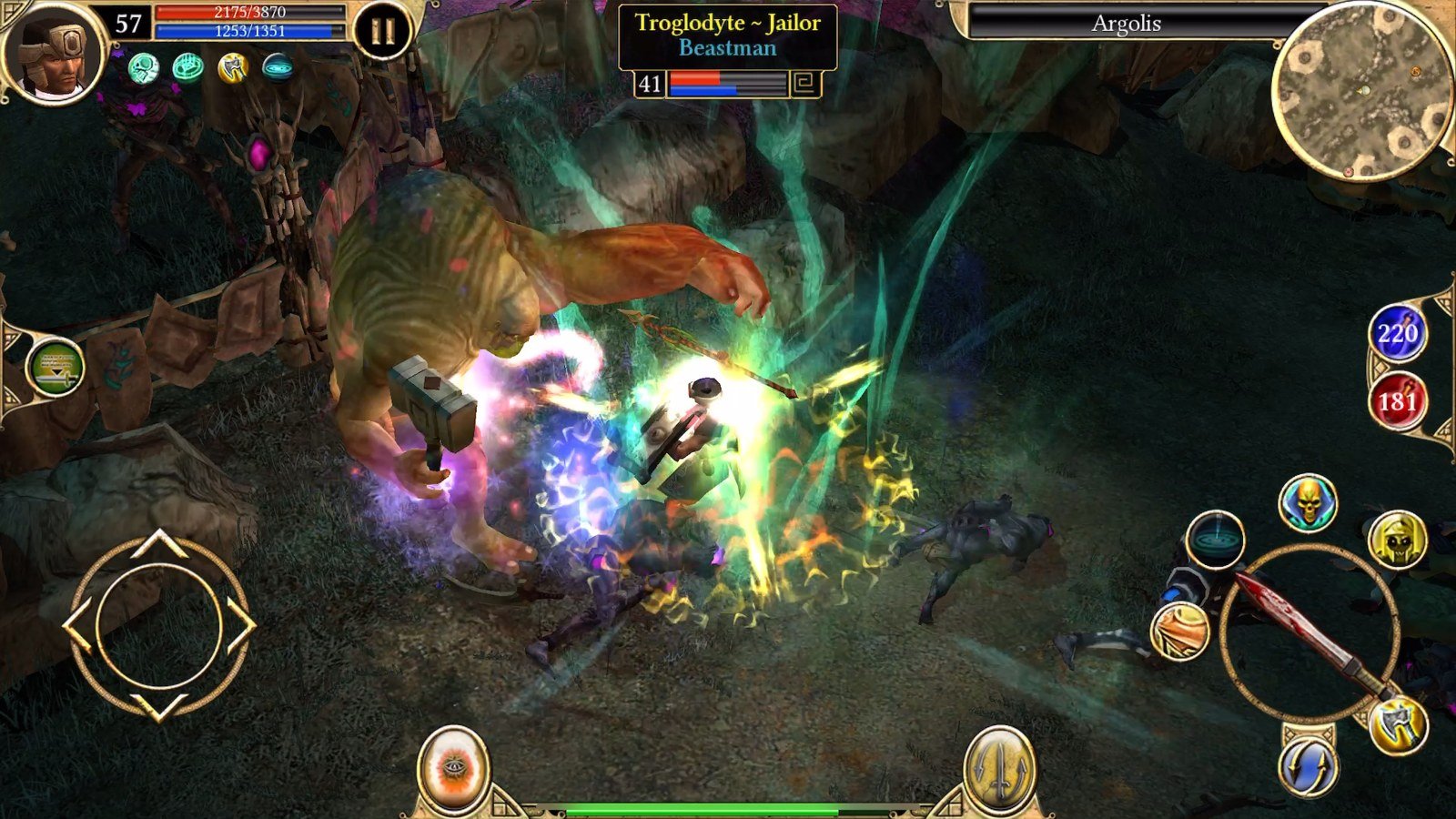
Titan Quest combined mythology with Masteries, while Torchlight offered its own visual identity for dungeons and equipment. Titan Quest II is still in Early Access as of October 20, 2026; its full PC launch was announced for January 2027 and was still in the future.
Crate Entertainment’s Grim Dawn reached version 1.0 in 2016 and developed combinations of Masteries, Devotions, and gear. Ashes of Malmouth (2017) and Forgotten Gods (2019) were later expansions. Fangs of Asterkarn was released on PC July 23, 2026, so it should not be confused with a future project. The cover image here belongs to Ashes of Malmouth, not the 2016 base game.
Diablo’s Impact on the Genre
Diablo’s distinctive contribution was popularizing a recognizable loop of hub town, dungeon runs, combat, and variable rewards. Finding useful gear became a reason for another run, not merely a campaign step. Blizzard recognizes December 31, 1996 as the original game’s anniversary; this does not mean Diablo invented every action RPG.
Diablo II expanded class identities and equipment combinations. Lord of Destruction (2001) added classes and systems such as runes, while further development continued afterward. Battle.net, parties, and trading helped sustain communities around these goals.
Diablo III refreshed controls and combat. Rifts, Greater Rifts, and seasons belong to its later evolution, not the original Diablo. Diablo IV uses shared regions and its own progression structure. Treating all Diablo games as one rule set hides important changes.
Lord of Hatred: a released expansion with changes for everyone
Lord of Hatred launched April 28, 2026, with global access beginning April 27 at 8 p.m. Brasília time. It is distinct from Vessel of Hatred. Its Skovos campaign, Paladin and Warlock classes, and advanced systems such as War Plans are part of the paid expansion; the official launch announcement distinguishes them from updates available to everyone.
Reworked skill trees and the Loot Filter also reached players who did not buy the expansion. Improving base-game tools is not the same as unlocking paid campaign content or classes. Blizzard’s official Warlock overview describes its demonic combat powers.
Path of Exile: When Complexity Became an Identity

Path of Exile is defined by the interaction of many systems. Skill Gems grant abilities; Support Gems modify their effects; the passive tree, Ascendancies, and items multiply possible combinations. One decision changes the value of others, making the relationships themselves part of the challenge.
That depth extends into endgame and trading. The Atlas organizes maps and goals, while currencies connect equipment modification to the economy. Leagues offer fresh economies without automatically deleting permanent characters.
As of October 20, 2026, the 3.29 series was current and 3.30 was planned for November. This pillar does not assume its unreleased mechanics. Read Path of Exile: history and evolution and the overview of farming methods for more detail.
Path of Exile 2 is a separate game
Path of Exile 2 began Early Access in December 2024 and remained in that state at the editorial cutoff. Its official website announced full release for December 11, 2026, still in the future at that date. It has its own campaign, combat, and skill systems: PoE 1 classes and gem mechanics cannot simply be transferred over. The Path of Exile 2 pillar follows its development separately.
Last Epoch: Customization on Its Own Terms
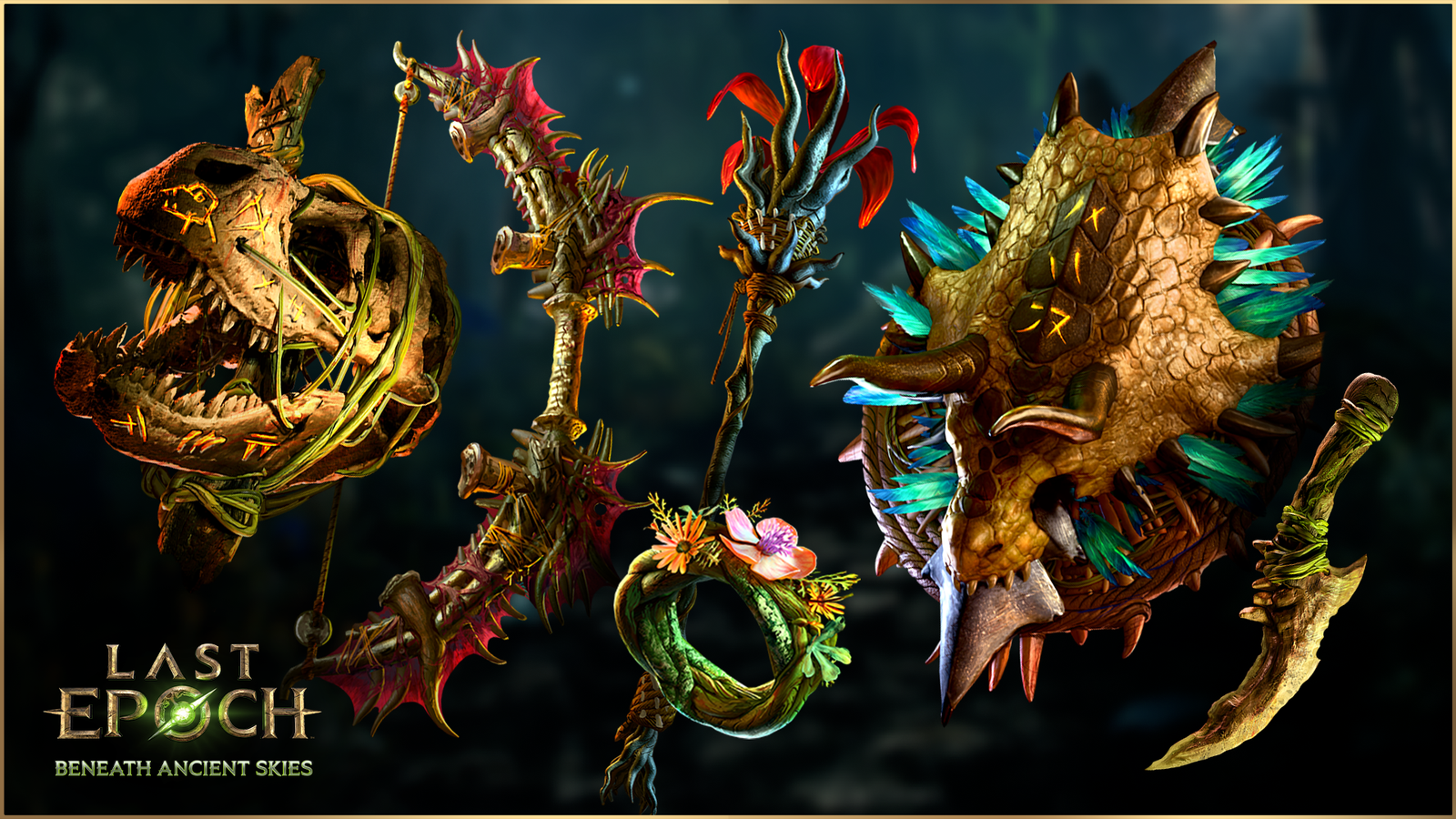
Last Epoch makes individual skill specialization one of its clearest distinguishing features. Five base classes each offer three Masteries, and skill-specific trees can change abilities and interactions. These choices become directly visible during combat.
Equipment progression is another pillar: the Forge, Forging Potential, and special item properties create choices between improving a base and hunting for another. The Monolith of Fate organizes Timelines, Echoes, and bosses, while Merchant’s Guild and Circle of Fortune provide alternative routes to gear.
Season 5: Rage of the Frostborn has been available since October 1, 2026. Hotfix 1.5.2.1, dated October 9, is part of the current state; later announcements should not be mistaken for implemented content. See Last Epoch’s evolution and seasons and our guide to items, crafting, Legendary Potential, and Weaver’s Will.
Elden Ring Is an Action RPG Too

Elden Ring demonstrates the reach of the action RPG label. Attributes, weapons, spells, and talismans interact with directly controlled attacks and defenses. Exploring the Lands Between, finding dungeons, and learning encounters drive the adventure without a seasonal trading economy or map-farming loop.
The 2022 base game and Shadow of the Erdtree expansion are distinct. In 2026, the Tarnished Pack added options and equipment on existing platforms, while Tarnished Edition bundled the game and content on Switch 2. Nightreign is a standalone game, not a DLC for the original campaign.
This illustrates how the soulslike tradition can coexist with RPG development without copying Diablo’s structure. Dates, platforms, and differences are covered in our Elden Ring: open world and progression article (PT-BR fallback pending verification of the published EN destination).
What Is the Future of ARPGs?
Development continues along several paths: responsive combat, deep skill combinations, cooperation, and single-player campaigns. There is no reason to assume every action RPG will adopt seasons or always-online play.
One tangible change is how games explain their systems. Loot filters, attribute descriptions, and equipment comparison tools can make complex decisions easier to understand without eliminating meaningful choices. The challenge is teaching interactions without automating every answer.
Monetization and continuity also differ: one-time purchases, paid expansions, free access, and cosmetic shops create different conditions. Announced projects and future releases must be evaluated as plans. Games available in 2026 already show that no single formula defines the whole category.
Are ARPGs Still Worth Playing in 2026?
It depends on the progression you enjoy. If you like optimizing combinations and hunting gear, the loot-driven branch may suit you. If you prefer exploration, story, or carefully reading bosses, other action RPG traditions offer those experiences.
Before starting, check whether the game is campaign-based or live-service, solo or cooperative, always-online or playable offline, and whether respeccing is accessible. Consider how much stat learning or repeated content you enjoy. The term ARPG alone cannot answer those questions.
You do not have to participate in every season, copy a build, or continue playing beyond your own goals. The right fit depends on your interests and the game’s actual systems, not a promise of infinite playtime.
Action RPGs Keep Evolving Because They Follow More Than One Formula
Action RPGs connect what players do directly to what their characters become. That combination can support story-led campaigns, exploration and bosses, or long-term searches for gear and synergies.
Recognizing the genre’s diversity makes comparisons more useful. Camera angles, multiplayer, and seasons help describe a game, but they cannot replace examining combat and progression. Understanding these choices allows different traditions to be appreciated without forcing them into the same formula.
About the Author